

Six Senses Zighy Bay has turned several ideas now common in luxury hospitality—sustainability, wellness and local sourcing—into specific operating practices. The property bottles its own water, directs 0.5% of its revenue to local and environmental projects, runs a marine conservation program, personalizes wellness using guest data, and uses the surrounding mountains and Gulf of Oman for experiences ranging from paragliding to overnight sailing. Below, we look at what The Legacy Untold founder and Six Senses Advisory Board member Mark Lakin experienced during his stay, how Zighy Bay operates these programs, and which parts of its approach are relevant to other luxury property owners.
1. How Does Six Senses Zighy Bay Turn Each Arrival Into Part of the Guest Experience?

Six Senses Zighy Bay sits on Oman’s Musandam Peninsula, about two hours by road from Dubai, and guests can make the final approach by car or by paraglider. Mark chose the paraglider. He launched from 960 feet above sea level and flew over the Al Hajar Mountains and the Gulf of Oman before landing on Zighy Beach.
At most remote resorts, guests have to travel a long way from an airport, port or main road. That trip can be something guests just get through before the vacation starts, or it can become one of the best parts of the stay. Zighy Bay does the second, using the mountain above the resort to make the arrival one of its signature activities.
You don’t need paragliding to do this. A resort reached by water can rethink the boat, the route and what guests see on the way. A lodge reached by road can add a wildlife sighting, picnic, viewpoint or private entrance to the drive.
For owners building or repositioning remote properties, the question is whether the trip just gets guests to the hotel or adds something to their stay.
2. How Does Six Senses Zighy Bay Approach Sustainability?
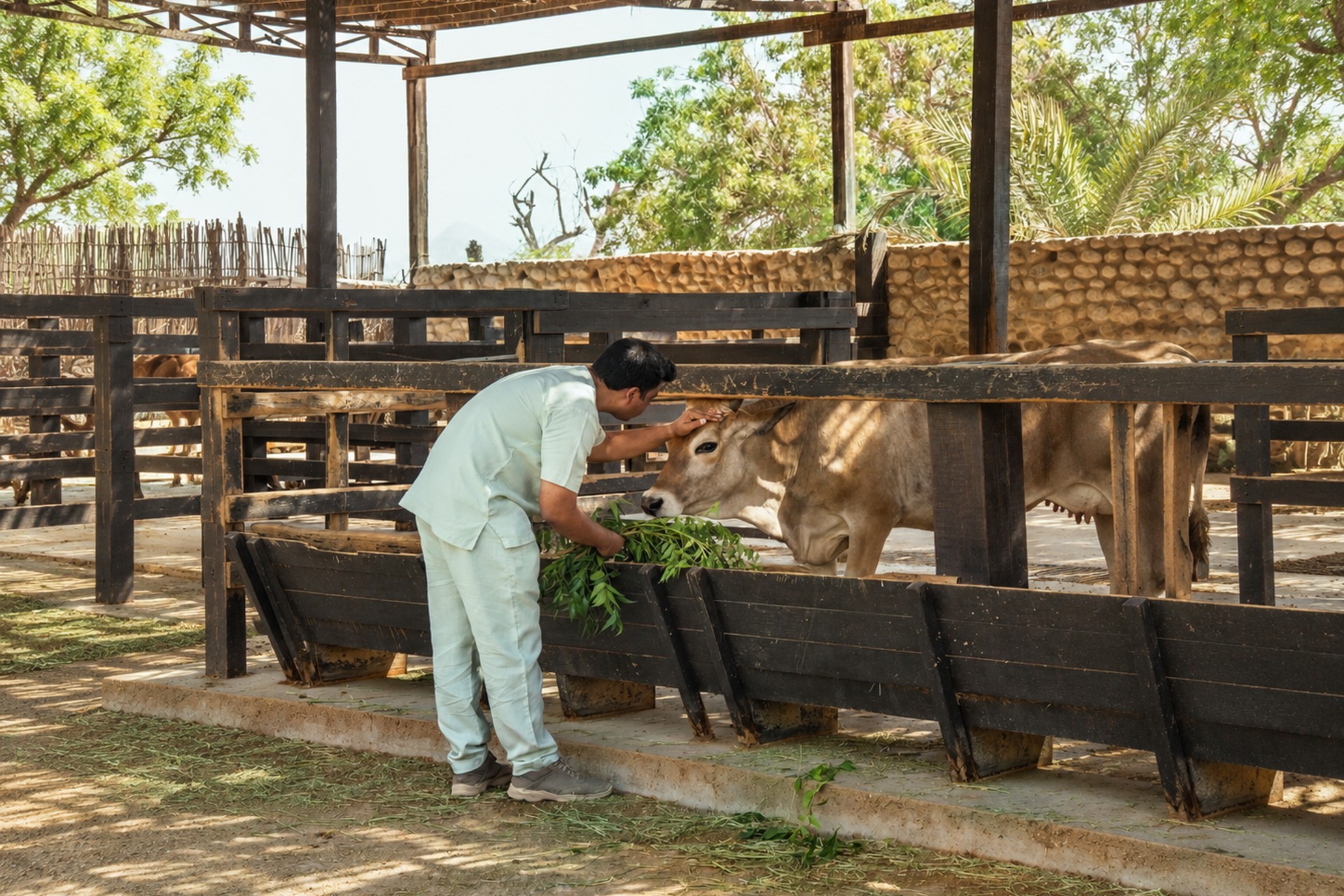
“Sustainability is sexy at Zighy Bay,” Mark says. The resort purifies its own water and serves it still and sparkling in refillable glass bottles, which it reports kept 287,088 plastic bottles out of use in 2024. That same year, it treated and recycled more than 12.9 million gallons of wastewater for irrigation, upcycled about 8,700 pounds of glass on-site and turned more than 32,000 pounds of food waste into compost for local farmers.
Words like “sustainable” and “regenerative” now show up constantly in luxury hotel marketing, and on their own they tell an owner, guest or investor very little about how a property actually operates. Figures like Zighy Bay’s show what each program has accomplished and at what scale. They also let management compare one year with the next and see whether an initiative is working.
Any property can hold itself to the same standard. A hotel that says it’s cutting water use should know how much water it saves or reuses. One that says it’s reducing waste should know how much it generates and where it goes. One that has removed single-use plastics should be able to count what it eliminated.
For owners making sustainability claims, the question is whether the property can back them up with numbers.
3. How Does Six Senses Zighy Bay Approach Marine Conservation?
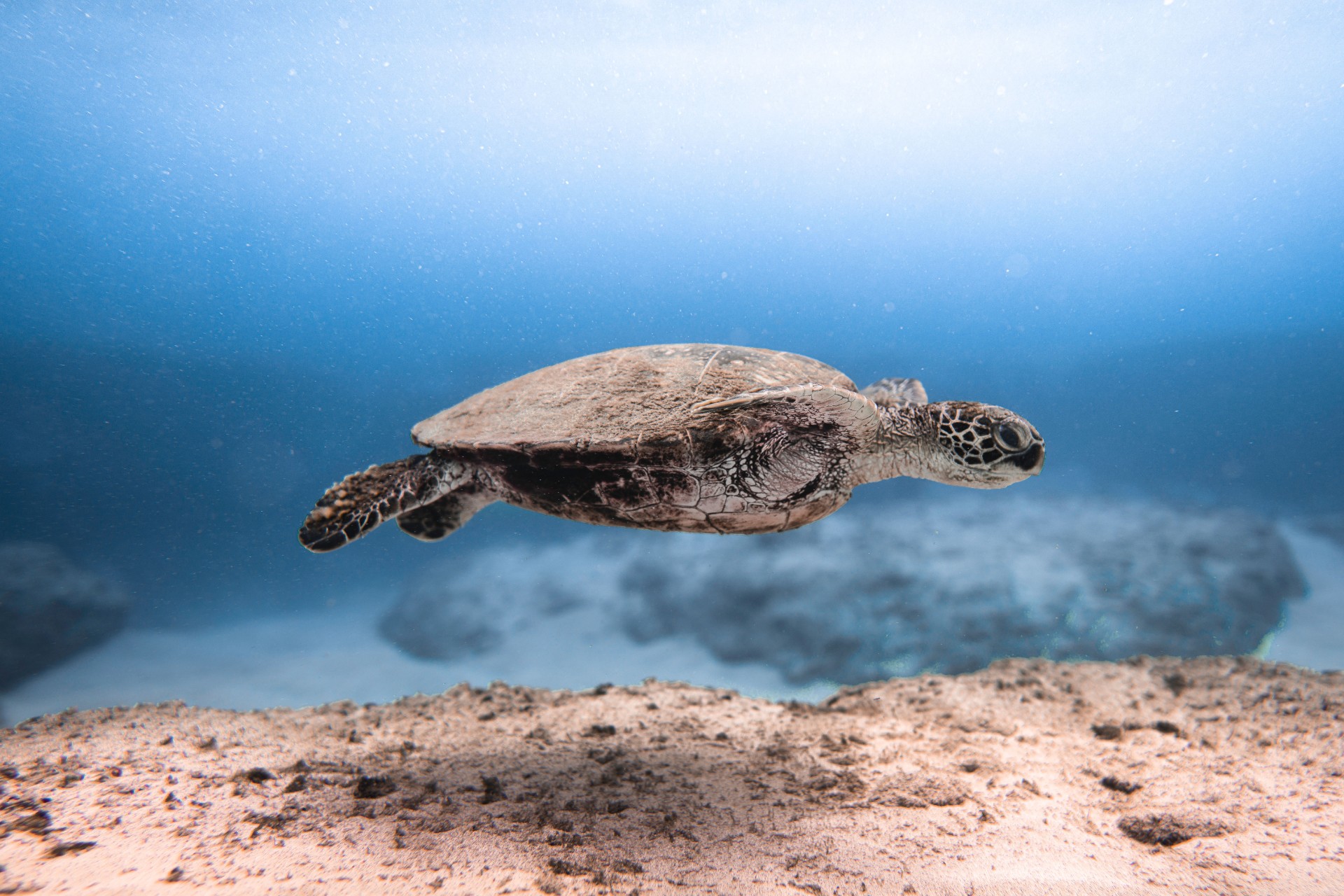
Zighy Bay runs a marine conservation program in the Gulf of Oman. In 2024, its team removed 18 abandoned fishing nets and roughly 3,750 pounds of debris from the water, added 562 naturally broken coral fragments to the house reef and released 17 green turtles found during bycatch monitoring with local fishermen. Six Senses also works with the Olive Ridley Project to study local sea turtle populations and how they use the bay.
A conservation program can happen entirely out of view, or guests can see some of the work for themselves. At Zighy Bay, the resort’s marine biologist leads turtle talks, conservation can be built into snorkeling experiences and the resort organizes beach cleanups. Guests get access to expertise they wouldn’t normally encounter on a resort stay.
The same approach can be built around whatever conservation work a property already supports. A safari lodge can invite guests to join its researchers as they satellite collar lions, cheetahs or buffalo, microchip rhinos, or follow pangolins on night walks. A mountain or forest property can introduce guests to the people restoring the land around it.
For owners running conservation programs, the questions are whether the work produces a measurable environmental result and whether guests have an appropriate way to understand it.
4. How Can Luxury Hotels Use Revenue to Support Local Communities?
Six Senses Zighy Bay puts 0.5% of total hotel revenue into its Regenerative Impact Fund, which finances environmental and community projects. In 2024, the resort reported supporting education for 534 children at two schools in Dibba, and staff gave 202 teaching hours in local schools.
Because the contribution is a share of revenue, it rises and falls with the hotel’s performance. Community investment becomes part of the property’s business model instead of depending on occasional donations.
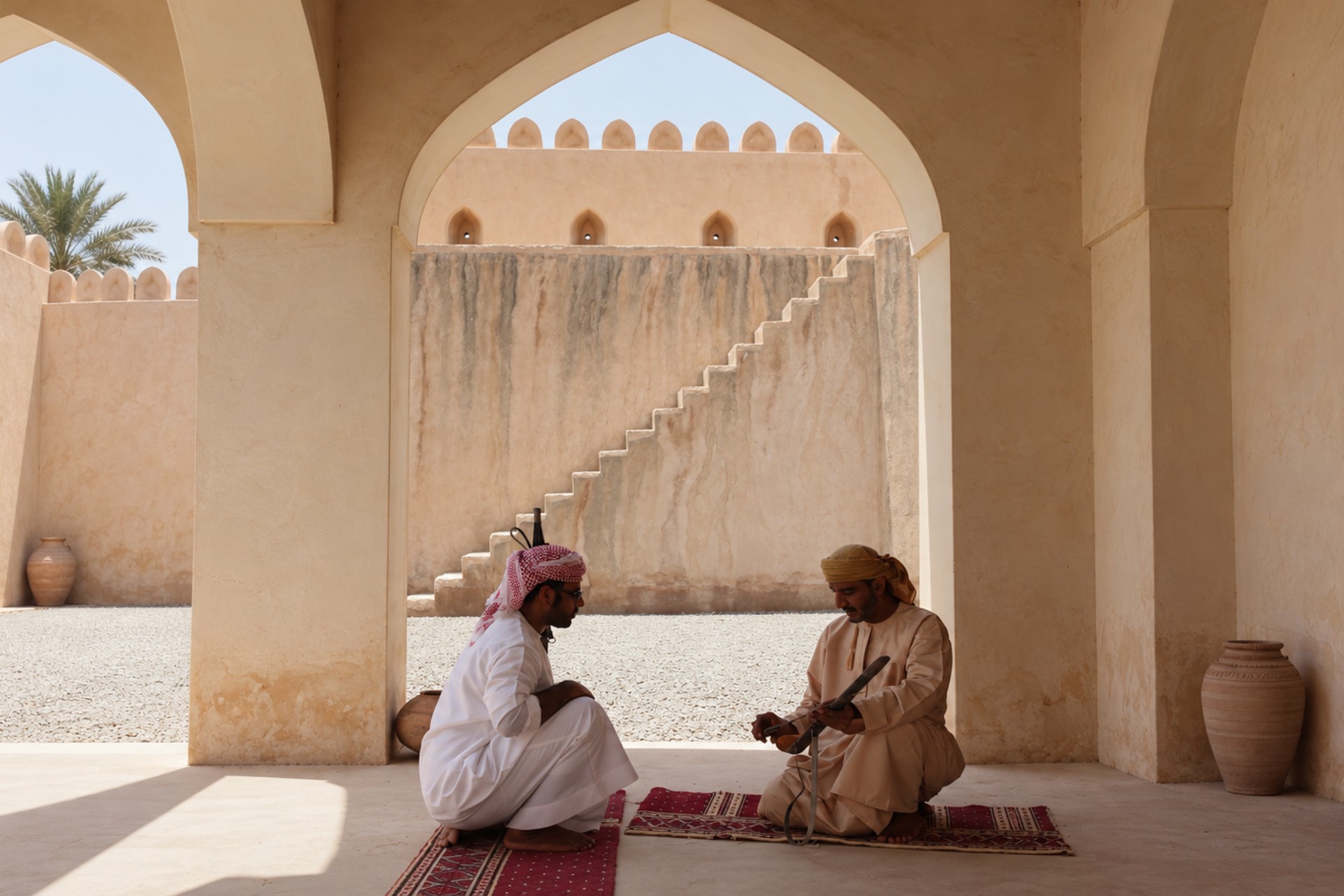
The resort also partners with the Dibba Women’s Association, which is run by local women, operates a preschool and gives women in the community a place to meet. Together they created “Sense of Oman, through a Woman’s Eyes,” where guests visit the association and join craft activities led by its members. Six Senses says 100% of the profits go back to the association.
Owners developing community-based experiences should be able to say who designed the experience, who runs it, who decides how local culture is presented, how the local partner is paid and whether the community earns more if it becomes popular. Those answers say far more about a hotel’s relationship with its neighbors than calling an activity “authentic” or “locally inspired.”
5. How Does Six Senses Zighy Bay Deliver Personalized Wellness?
Zighy Bay designs its wellness programs around data gathered from each guest. Assessments and technology examine areas such as movement and sleep, and the results guide the treatments, exercise and nutritional recommendations that follow. Guests select a program based on their goals, from better sleep and aerobic fitness to strength, endurance and weight management. Mark also experienced the spa’s more traditional facilities: the hammam, steam room, sauna and ice cave.
The sleep program shows the depth of that approach, combining overnight tracking and a wellness screening with nutritional guidance, yoga nidra or meditation, private yoga, massage and other therapies. Longer versions add further sessions and continued monitoring.
Delivering wellness at this level involves far more coordination than a conventional spa menu. A single massage needs a treatment room, a therapist and an appointment. A personalized multi-day program may call for an initial assessment, data collection, several specialists working together, adjustments to meals and exercise, multiple appointments and a final review, all of which affect staffing, scheduling, food and beverage, and how guest information is recorded and shared.
For owners considering this kind of wellness offering, the question is whether the operation can adapt to each guest. If everyone ultimately receives the same treatments, meals and schedule, the program is not meaningfully personalized.
6. How Can Local Sourcing Improve a Luxury Hotel Restaurant?

Zighy Bay operates a farm near the resort in Dibba, and during the growing season Six Senses says it can supply as much as 90% of the produce for Sense on the Edge, the resort’s mountaintop restaurant overlooking the Gulf. Rather than ordering a fixed list of ingredients regardless of season, the chefs work from what is being harvested and build the menu around it. Mark described the food across the resort as “healthy and indulgent,” largely unprocessed without feeling restrictive.
If a hotel advertises that it grows its own food but still buys almost everything from outside suppliers, the farm has little effect on the restaurant. If it supplies a substantial share of what the kitchen needs, it changes purchasing, menu planning, transportation, freshness and waste.
The Legacy Untold advises luxury property owners on sustainability, wellness, food and beverage, and guest experience, drawing on Mark’s seats on the Six Senses and Travel + Leisure advisory boards and his place on Travel + Leisure’s A-List every year since 2015. To discuss your property, email [email protected].