

How luxury travelers plan their time away is changing. Picture a week in Florence in November instead of a few days in Positano in July: the summer crowds have thinned, white truffles are in season, and you can linger before Botticelli’s Birth of Venus rather than glimpse it through a crowd. You have time to become a regular at a neighborhood trattoria, and your hotel’s concierge arranges a morning in an artisan’s workshop that isn’t open to the public.
That itinerary captures three of the shifts defining 2027: travel moving into the fall, longer stays in a single city, and more reliance on the people who know a destination best. The other two are just as telling: travelers are taking shorter, more frequent getaways, and they’re building trips around their well-being.
Here’s where each trend is already taking hold, and the hotels and resorts leading the way.
1. Why Is Fall Becoming Peak Season for Luxury Travel?
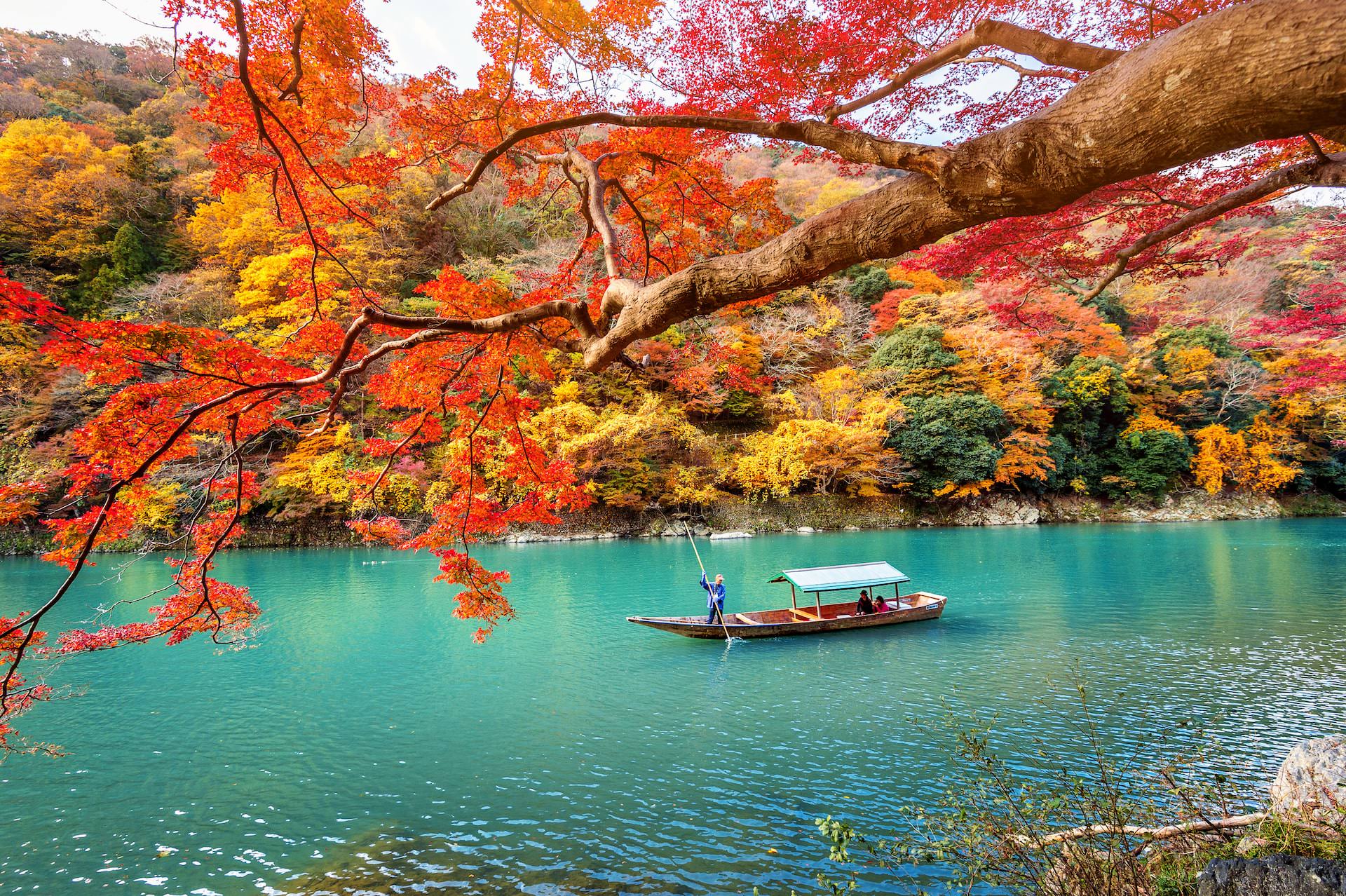 Summer in Europe has become crowded, expensive and hot, and luxury travelers are moving their trips to September, October and even November. Fall travelers—often couples and multigenerational families—are drawn by quieter dining rooms, uncrowded museums and harvest-season food and wine.
Properties are extending their calendars to match. La Réserve Ramatuelle, near St.-Tropez, now stays open into mid-October and keeps its villas open year-round. On Mallorca, boutique hotels that once operated five months a year now fill through October, and United’s direct Newark–Mallorca route runs through the month as well.
2. Why Are Luxury Travelers Returning to Cities?
 After several years of remote villas and secluded resorts occupying the main stage, cities are back—but travelers use them differently now. Rather than racing through a checklist, guests are staying five to seven nights in a single city before moving on to the next.
City hotels are responding with deeper access. In Dublin, The Westbury now takes guests up to the belfry of St. Patrick’s Cathedral to ring the bells. In Barcelona, Almanac Barcelona has introduced a private architecture tour of Gaudí’s landmarks to mark the centenary of his death.
3. How Is Wellness Travel Changing in 2027?
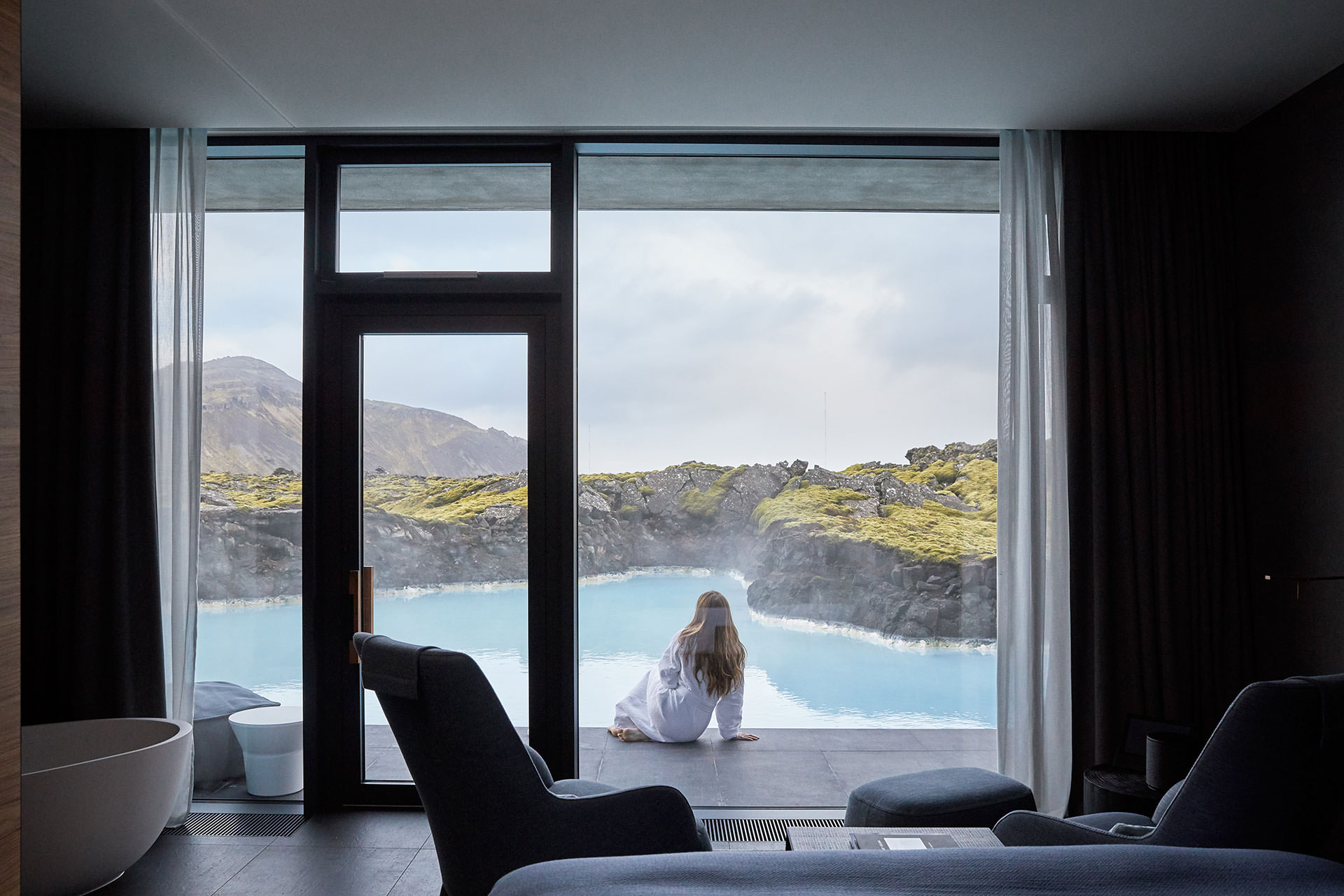 Wellness is now the reason for the trip, not an add-on to it. Travelers are planning around sleep, nutrition, movement and time outdoors, and they measure a stay by how they feel once they’re home. These guests tend to fall into three groups: those who want data and measurable results, those who need to step away and recharge, and those looking for spiritual grounding.
Resorts are building full programs around that demand. La Réserve Genève has launched the Nescens Essential Reset, a five-night longevity program. Euphoria Retreat in Greece’s Peloponnese pairs on-site diagnostics with personalized treatment and two months of aftercare. In Morocco, Royal Mansour Tamuda Bay’s Medi-Spa offers longevity programs of four to 14 days that combine medical treatments with traditional healing.
Six Senses Zighy Bay in Oman builds each wellness program around data gathered from the guest, using assessments of movement and sleep to shape treatments, exercise and nutrition. The Legacy Untold founder Mark Lakin, a member of the Six Senses Advisory Board, saw the approach in practice during his stay—we cover his visit in what luxury property owners can learn from Six Senses Zighy Bay.
The Legacy Untold sees the same demand among its travel clients. The Legacy Untold’s Wellness Concierge now matches travelers with destination spas and medical clinics suited to their health goals, drawing on Mark’s in-person scouting of Lanserhof at Tegernsee, Clinique La Prairie, Ananda, Six Senses Vana, Golden Door and SHA Mexico.
4. Why Are Travelers Taking Shorter, More Frequent Trips?
 For many high-net-worth travelers, time is scarcer than money. Instead of saving up for one long vacation, they’re taking several shorter trips a year—long weekends and three-night escapes that fit around work and family. A short trip still has to feel complete, so travelers favor central locations, well-planned days and properties that handle the details before arrival.
Private aviation has made this pattern easier to sustain. Short-haul routes such as New York to Nantucket have grown sharply, turning destinations that once required a full week into realistic weekend plans.
5. Why Does Human Expertise Matter More as AI Changes Travel Planning?
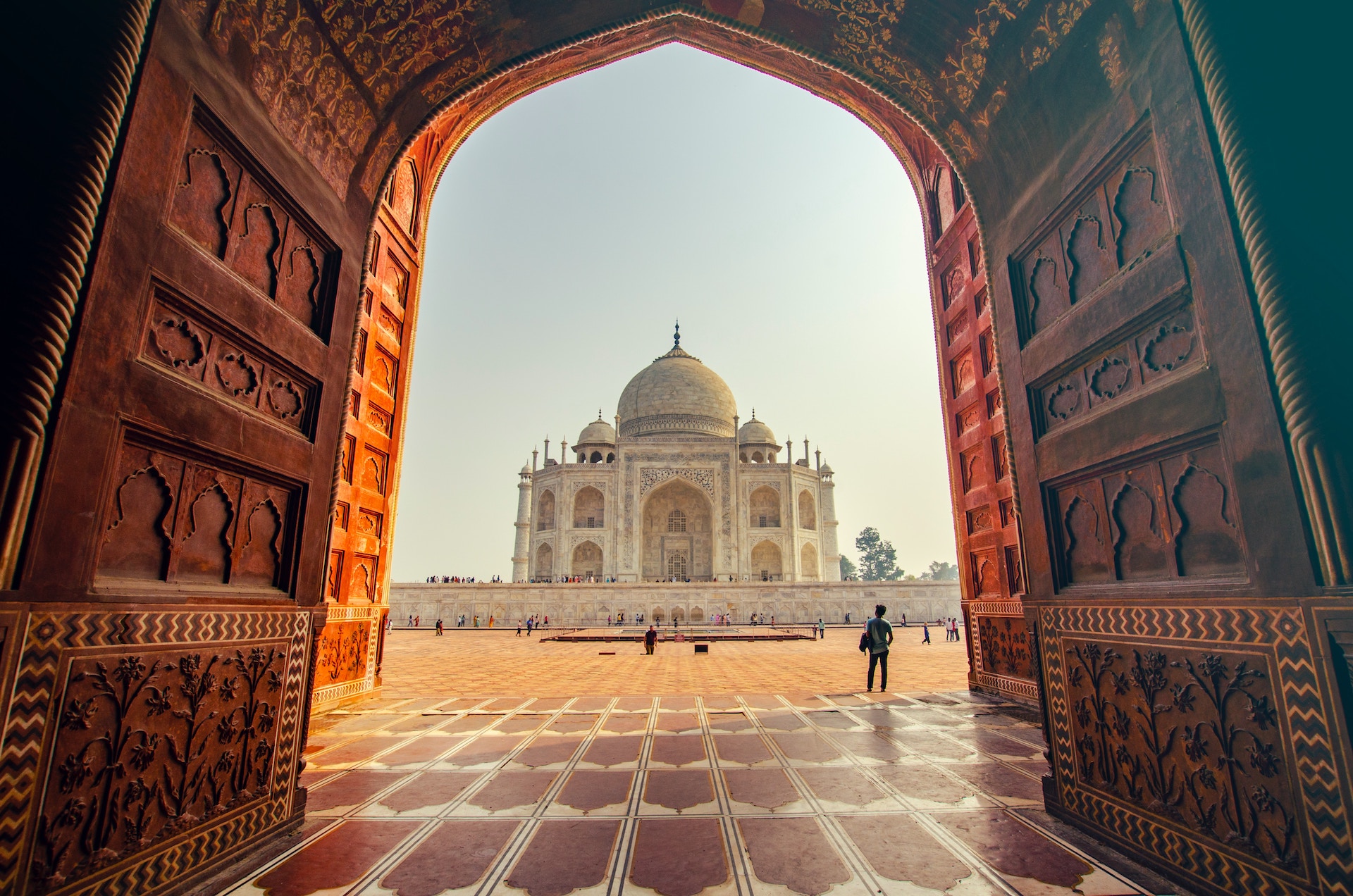 AI tools can now build an itinerary in seconds, which has made trusted human judgment more valuable, not less. Travelers still want someone who knows the region—an advisor, a concierge, a general manager—to tell them which table to book and which guide to hire, and to open doors an algorithm can’t. Travel media reflects this, too: Travel + Leisure, Robb Report and Oprah Daily each publish lists of the advisors they trust most. Mark is on all three: Oprah Daily’s 10 global Trip Fixers We Trust, Robb Report’s 24 global Masters of Luxury Travel and Travel + Leisure’s A-List.
That expertise shows up in the kind of access travelers now ask for: a private kaiseki dinner with geisha in a traditional teahouse, microchipping a wild rhino alongside a conservation scientist, and a private recital at the Sydney Opera House.
What Do These Trends Mean for Luxury Travel in 2027?
Each of these shifts points the same way. Travelers want trips that fit their lives, shaped by people who know a place well, and they want to return home better than they left.
Because The Legacy Untold designs bespoke travel for private clients and advises luxury brands from Six Senses to One&Only, we see these changes from both sides. To discuss what they mean for your property, reach us at [email protected].