
The Experience At A Glance
Gain exclusive access to a traditional teahouse for a private evening of drinks, kaiseki dinner, and exquisite musical performances by Japan’s most accomplished hosts and entertainers. Talk openly with your hosts about the history of their art and its place in modern-day Japan. Made for the cultural enthusiast, this experience is extremely difficult to arrange and available only through a personal introduction, which we provide. The Legacy Untold founder Mark Lakin has been Travel + Leisure’s A-List Top Travel Advisor for Japan since 2016.
The Why
1. Private Geisha Dinners in Japan Are Invitation-Only
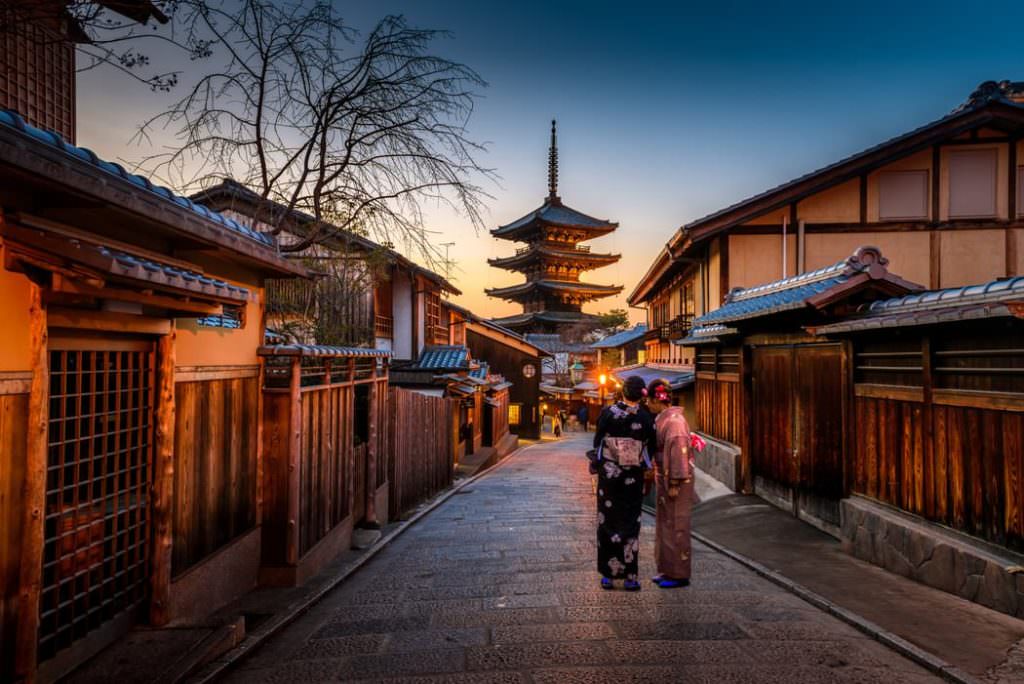
Japan’s traditional teahouses, known as ochaya, are among the most exclusive venues in the country. For generations, they have followed an unwritten rule — ichigen-san okotowari, or “no first-time guests” — admitting only patrons introduced by someone they already trust. The Legacy Untold’s long-standing relationships with Kyoto’s okiya, the houses where geisha live and train, allow us to make that introduction on your behalf.
2. How Maiko Train to Become Geisha
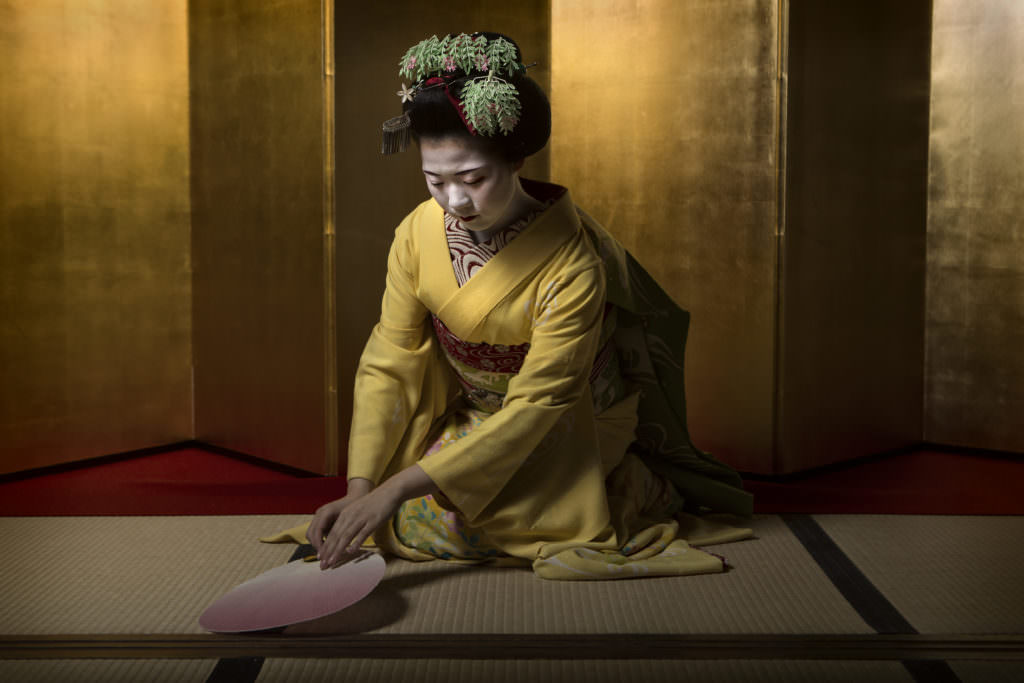
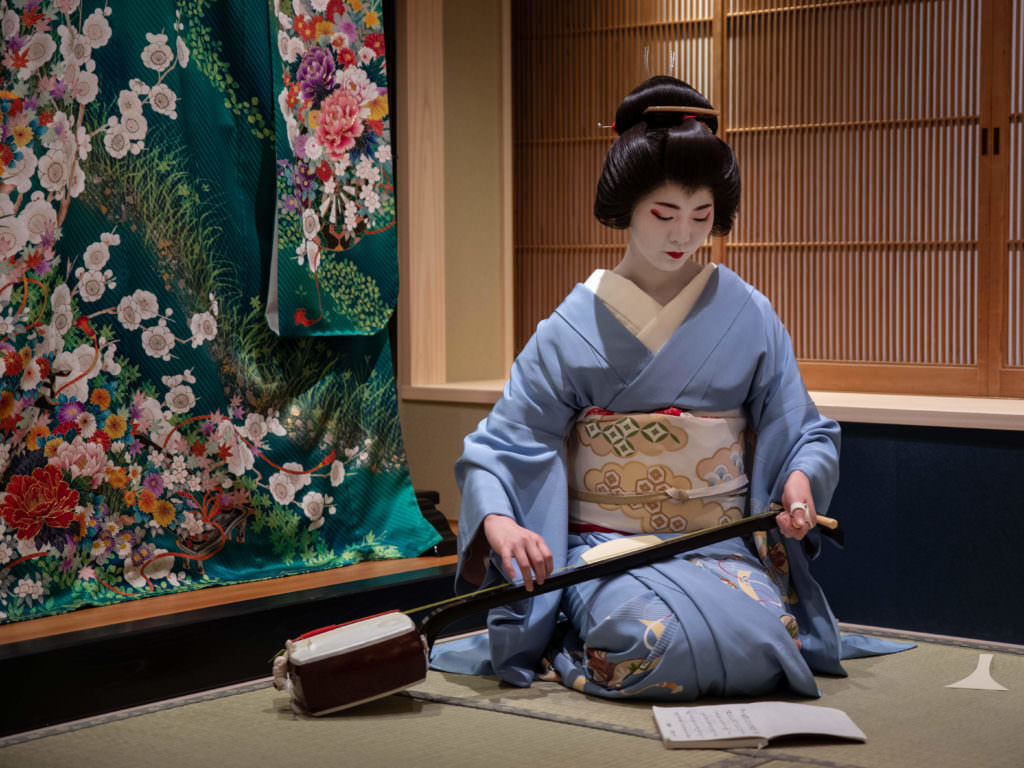
The room is hushed but for the pluck of a shamisen (a three-stringed Japanese lute). Lantern light falls across the tatami as a geisha in a silk kimono kneels to pour your sake. Often misunderstood in the West, geisha are among Japan’s most rigorously trained artists: many begin as maiko, apprentices who spend years living in an okiya and studying classical dance, music, tea ceremony, and the art of conversation before they debut as geisha. A typical dinner includes a geiko (as geisha are called in Kyoto), a maiko, and a jikata, the musician who accompanies them. Your guide stays by your side to interpret. The guests who enjoy the night most are the ones who ask questions. Between courses, learn how long each woman has studied her art, what she loves about her work, and how a nearly 300-year-old tradition has evolved — a firsthand perspective no museum or theater can offer.
3. What to Expect at a Traditional Teahouse Dinner
Every gathering is shaped by the season, the teahouse, and the women who join you. A maiko’s hair ornaments, or kanzashi, change month to month — plum blossoms in February, maple leaves in November — and the dances follow the calendar just as closely. The kaiseki menu, a series of small, beautifully plated dishes, is built around the freshest seasonal ingredients. As the hours pass, the formality gives way to classic parlor games like tora tora and konpira fune fune, and dinner becomes a private celebration, the way Japanese business leaders have long marked a closed deal. The evening can take other forms, too. In Kanazawa’s Higashi Chaya district, the local geisha, called geigi, are known for lively performances on small taiko drums, followed by ozashiki games. Shorter formats, such as tea or drinks with a maiko, fit easily into a day of touring.