
The Experience At A Glance
Each winter in the fjords of northern Norway, wild orcas hunt in coordinated packs beneath the surface — and this is one of the very few places on earth where you can enter the water beside them. Read on to discover the Arctic property that makes it possible.
The Why
1. One of the Few Places in the World to Swim with Wild Orcas
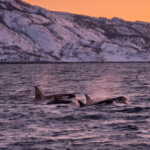
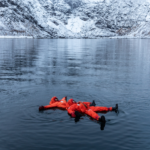
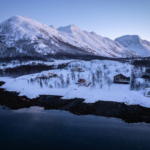
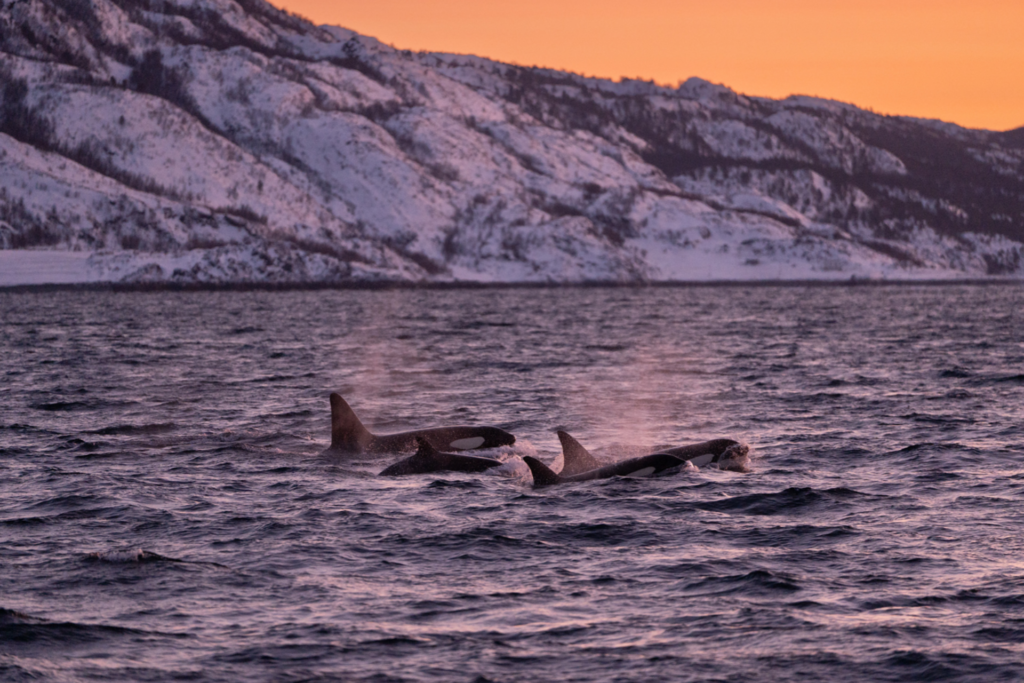
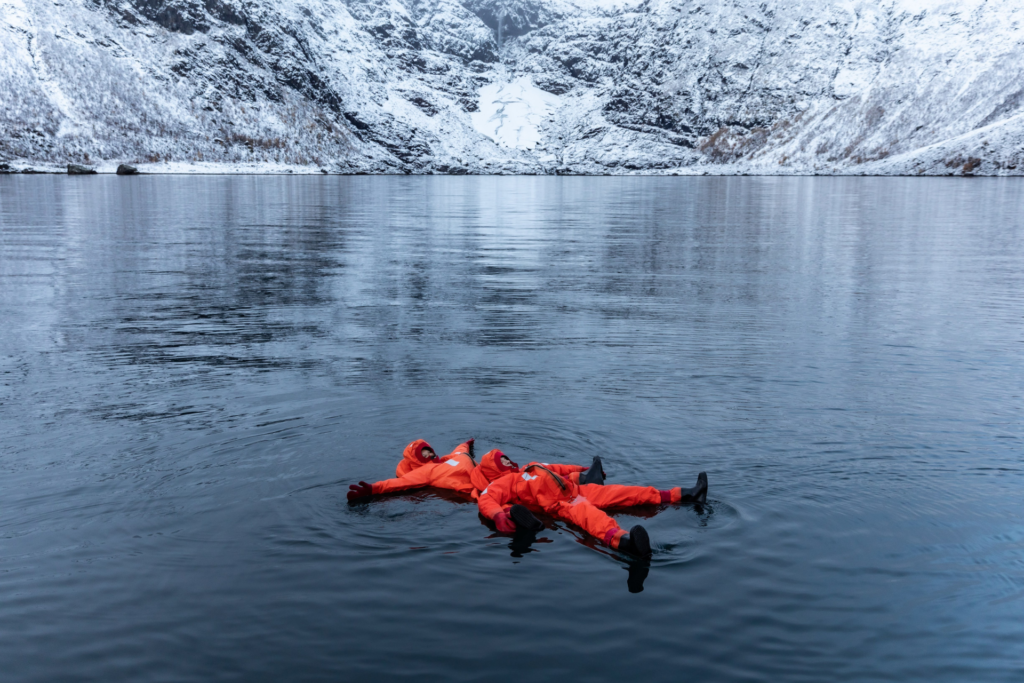
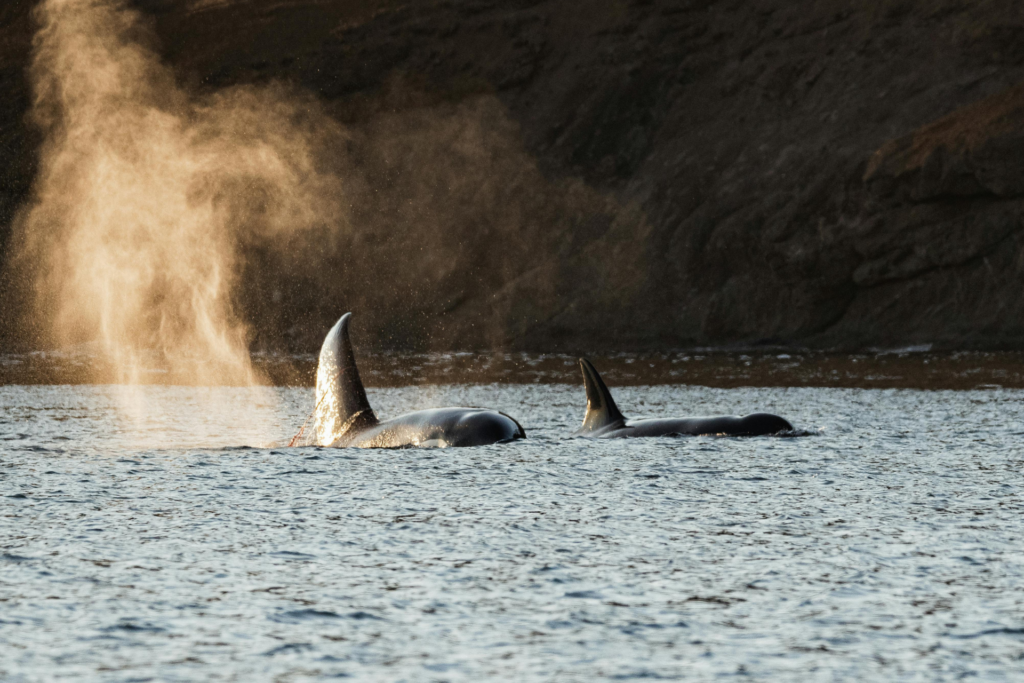
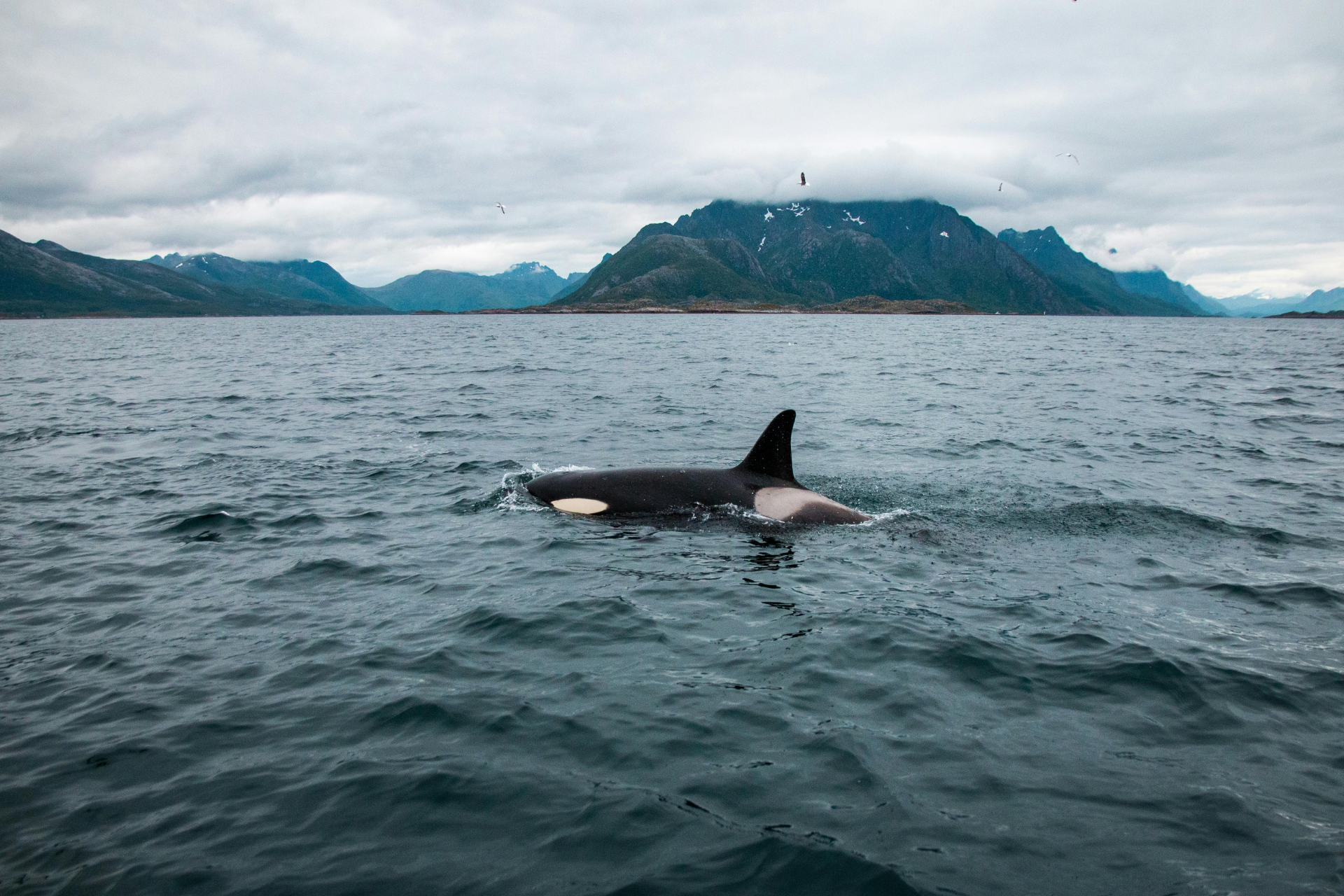
There is a fjord in the high Finnmark of northern Norway, where the continental shelf falls away within a few nautical miles of the coast and one of the greatest spectacles of the natural world plays out each winter — one that, uniquely, you can enter. This is where you swim with wild orcas.
2. Why Billions of Atlantic Herring Bring Orcas to Northern Norway
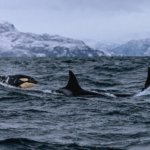
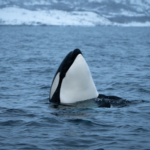
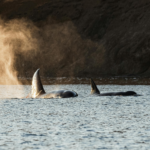
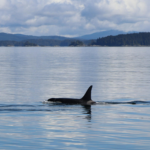
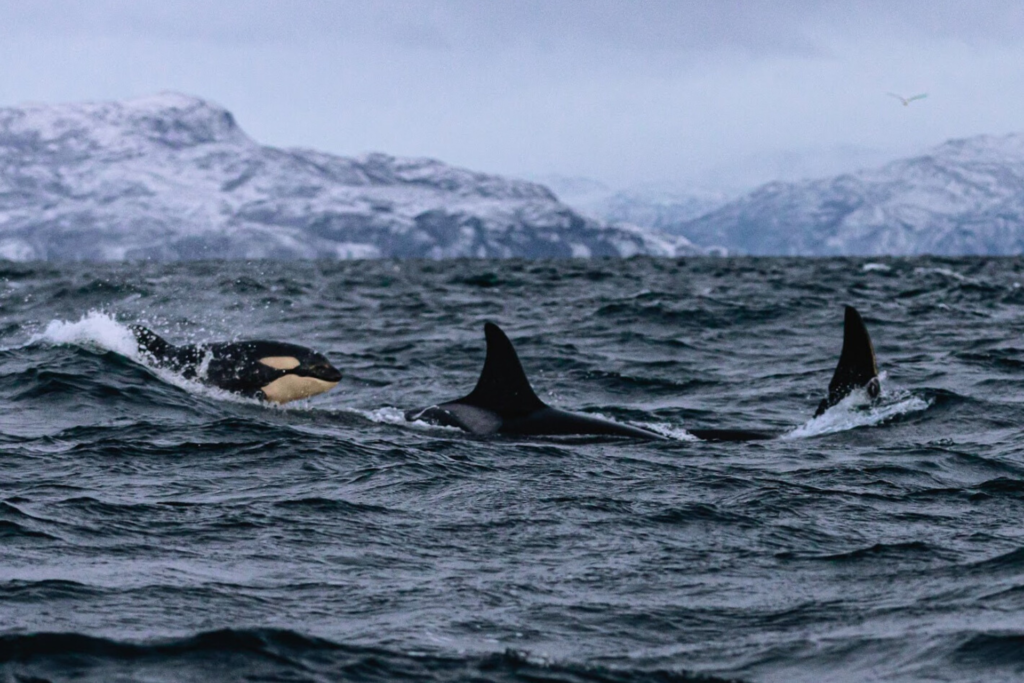
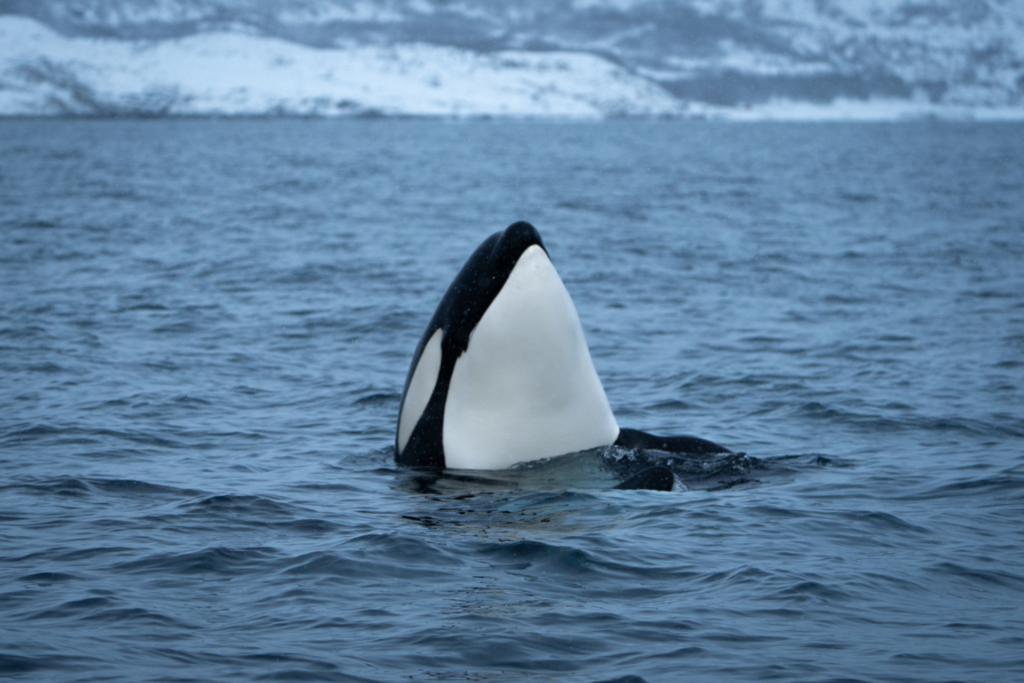
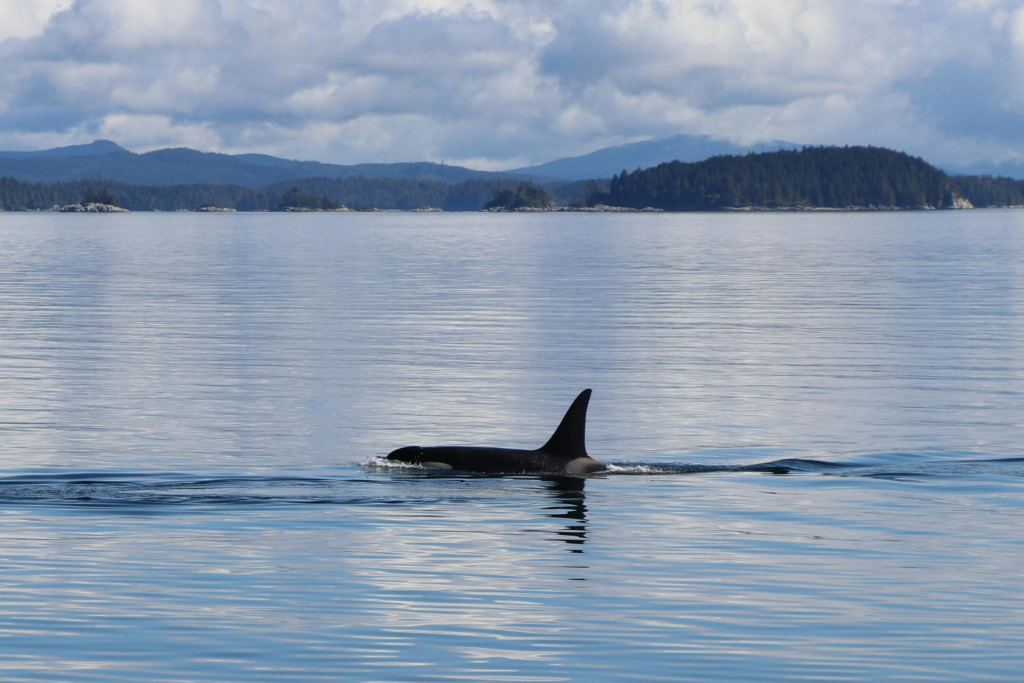
It all begins with the Atlantic herring. Each year, in numbers that defy the imagination, they pour into these fjords by the billion to spend the winter in the deep, sheltered water. And behind them, the entire upper food chain of the North Atlantic follows. Migratory orcas arrive in pods of twenty and thirty; humpbacks come up from their southern breeding grounds; sea eagles wheel above the boats; pods of white-sided dolphins cut through the swell. The orcas hunt cooperatively here, employing the technique marine biologists call carousel feeding — a coordinated underwater ballet in which the pod corrals herring into a tight bait ball before stunning them with tail slaps. It is one of the most extraordinary predator-prey spectacles in the natural world, and one of the few that can still be witnessed from inside the water itself.
3. Isbreen The Glacier Puts Guests at the Center of the Winter Orca Migration
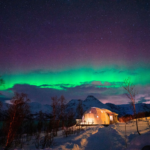
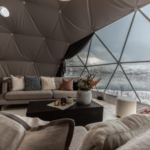
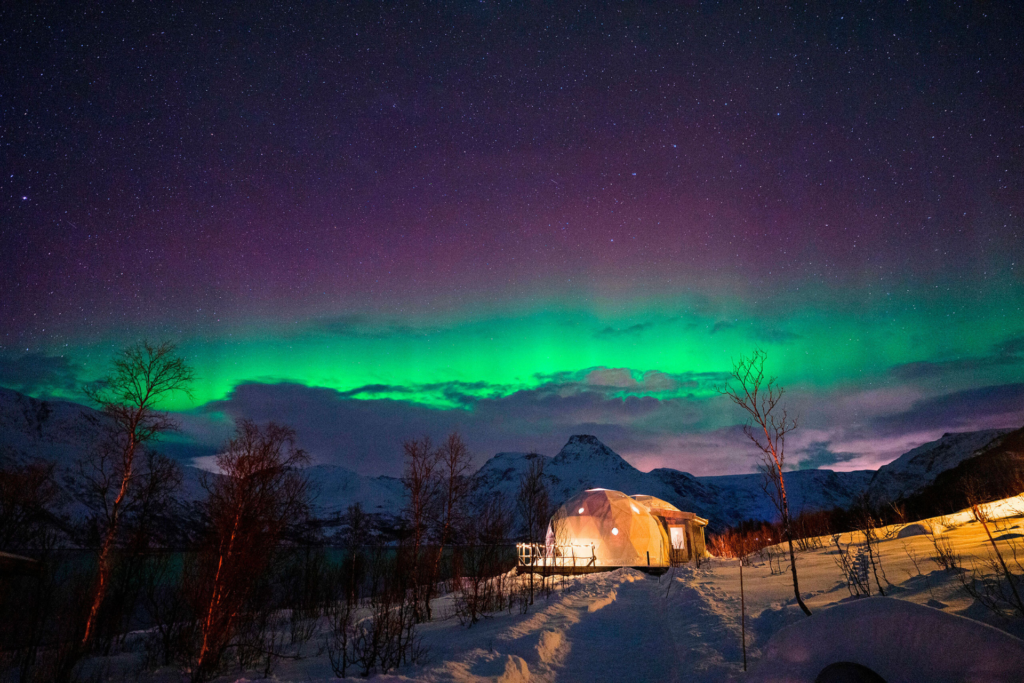
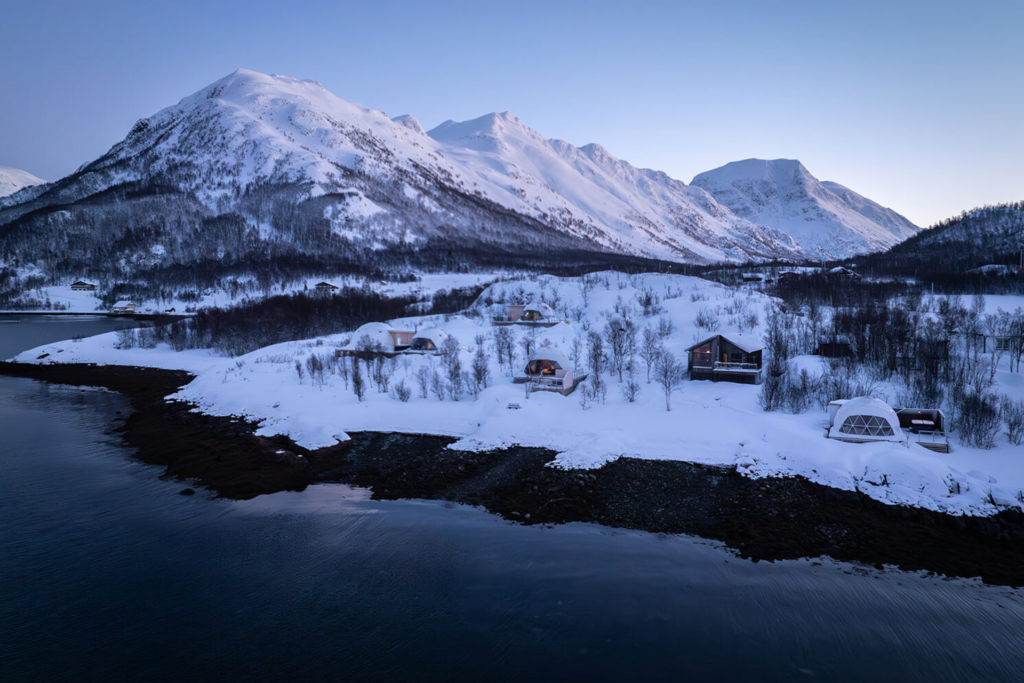
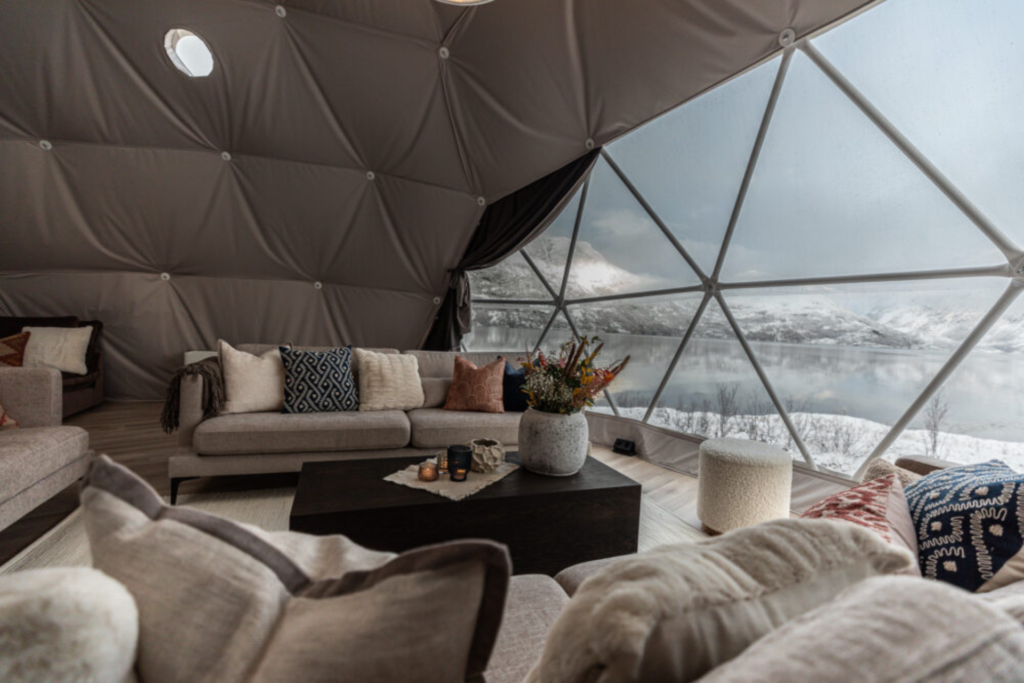
The base for this experience is Isbreen The Glacier: five heated geodesic suites designed in collaboration with Scandinavian architects who have spent careers refining cold-weather structures for punishing climates. The suites sit lightly on the tundra, raised on pilings to leave the permafrost undisturbed and oriented to frame the glacier itself, the only ice tongue in Europe to calve directly into the Arctic Sea.
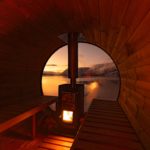
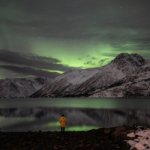
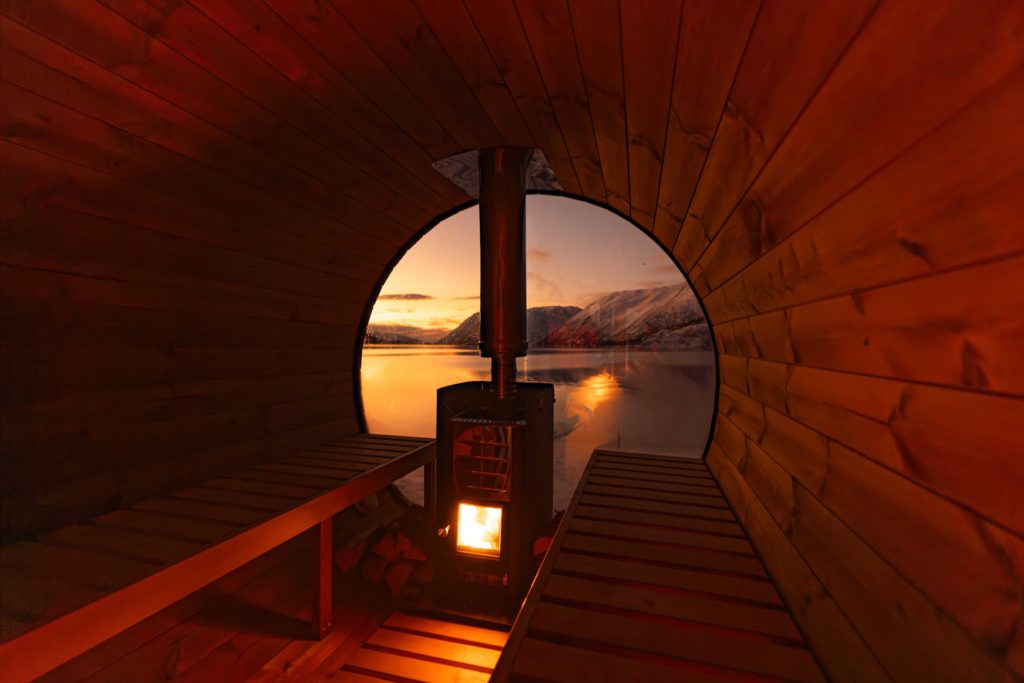
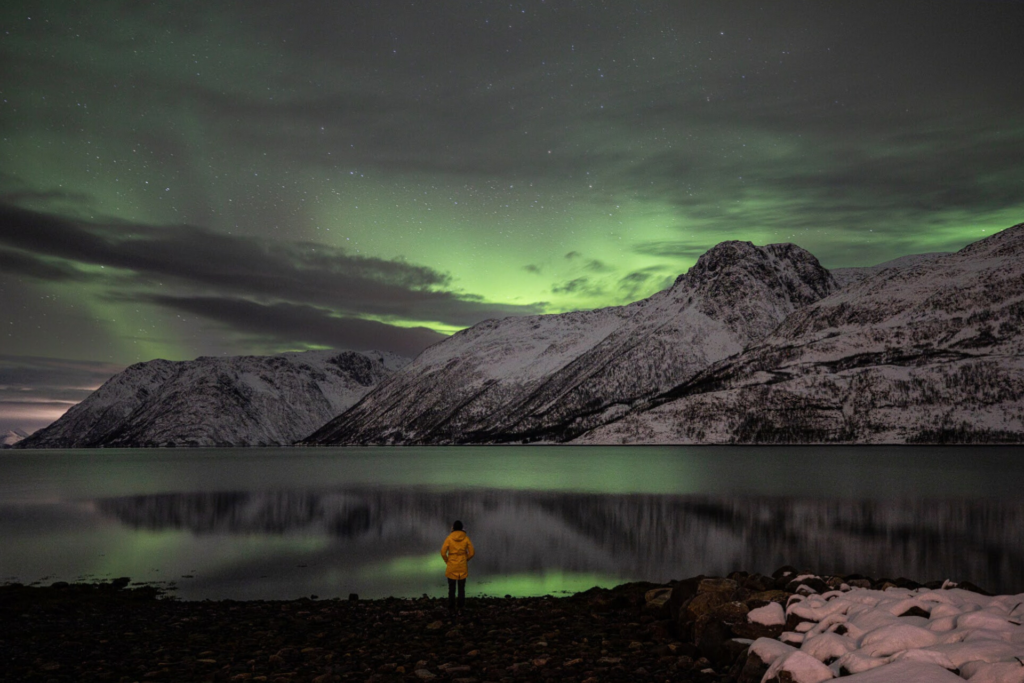
Interiors are spare in the considered Norwegian manner: pale ash, washed linen, sheepskin from local herds, hand-thrown ceramics, a hanging Swarovski telescope at each window for the aurora hunting that consumes most clear evenings between September and March. The bathing rituals are taken seriously — outdoor cedar hot tubs venting steam into minus-twenty air, a sauna built into the rock, a plunge pool fed from glacial meltwater for those with the constitution for it. The kitchen, run by a chef who trained in the new Nordic tradition, draws almost everything from within a hundred miles: king crab pulled from the Barents Sea that morning, reindeer from Sámi herders working the same valleys their families have for centuries, scallops hand-dived in the fjord, cloudberries and sea buckthorn preserved through the long dark.
Isbreen is for the serious traveler, the design-literate couple, the cold-water photographer, and the rare guest for whom the Arctic still represents what it did for the earliest explorers: one of the few remaining truly unconquered edges of the world.