
The Experience At A Glance
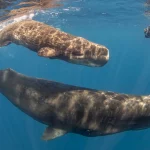
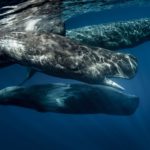
Dominica is the only island in the Caribbean where guests can be cleared to enter the water beside sperm whales — a resident family that has lived in these coastal waters for generations. Read on to discover the wilder, older Caribbean most travelers never find.
The Why
1. The Caribbean’s Only Place to Enter the Water Beside Sperm Whales
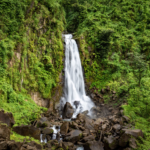
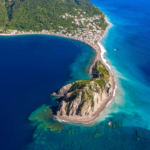
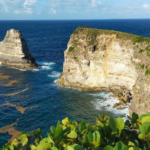
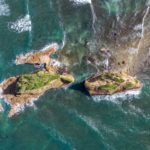
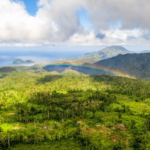
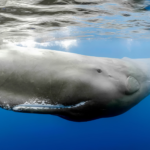
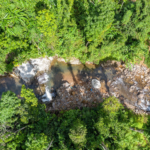
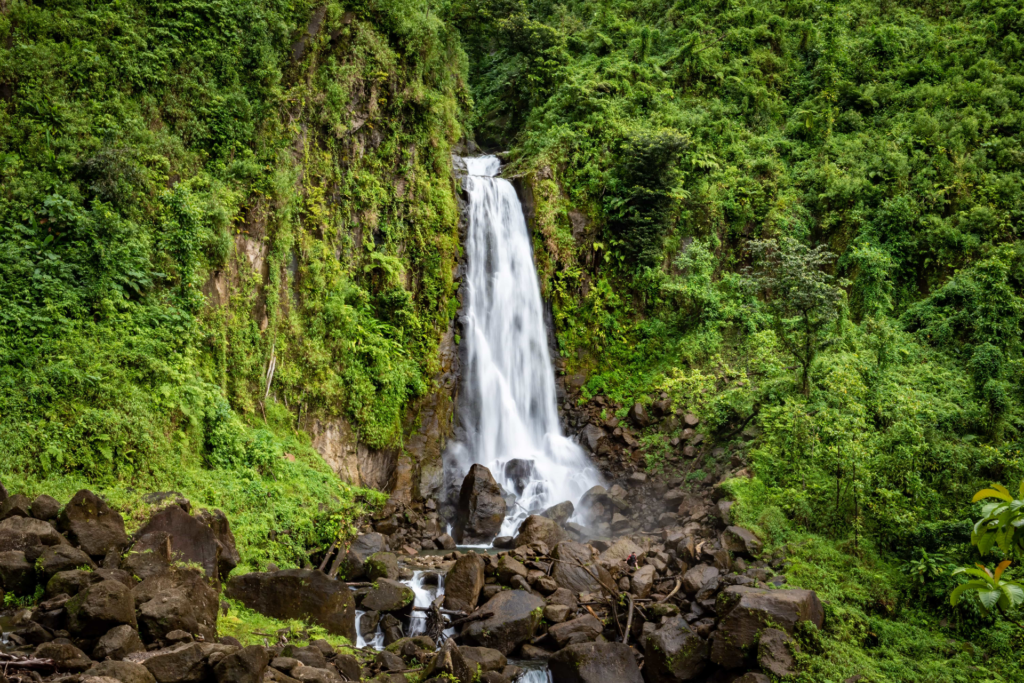
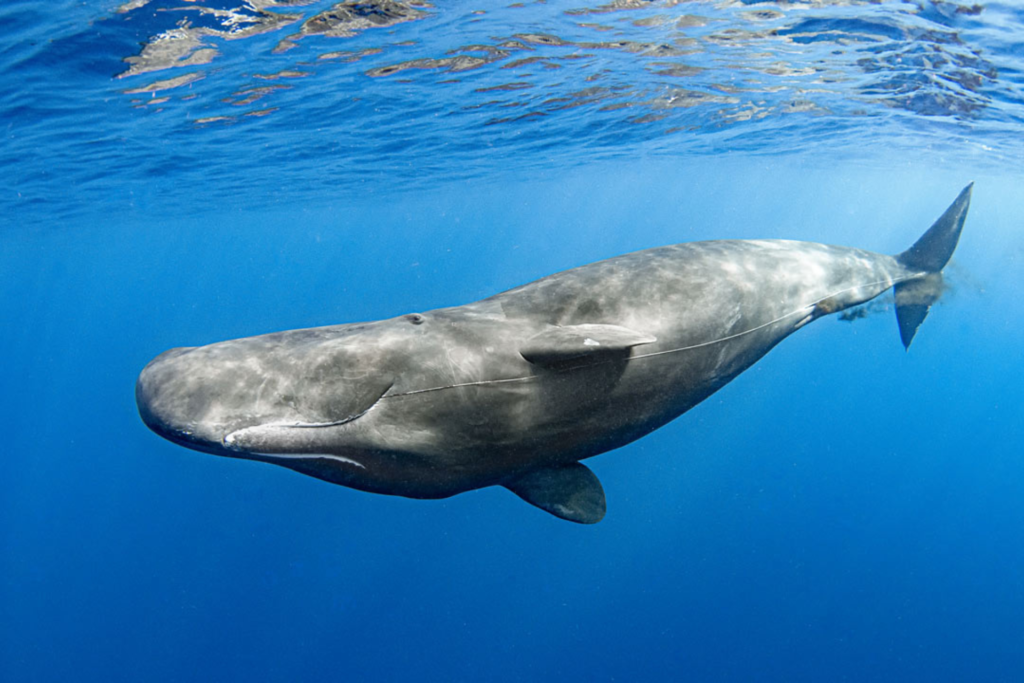
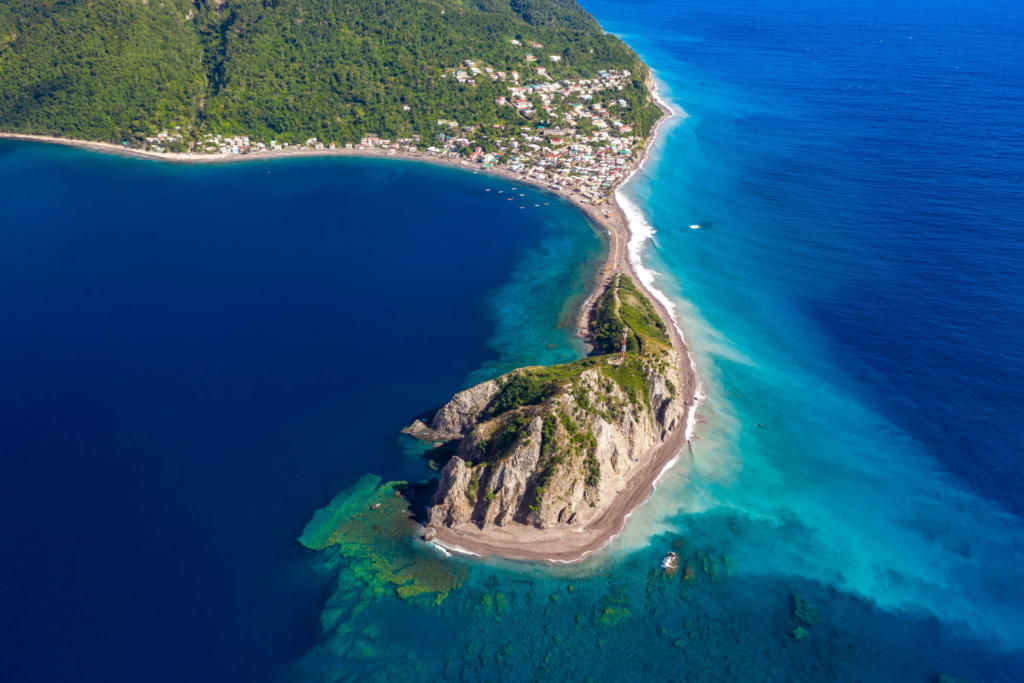
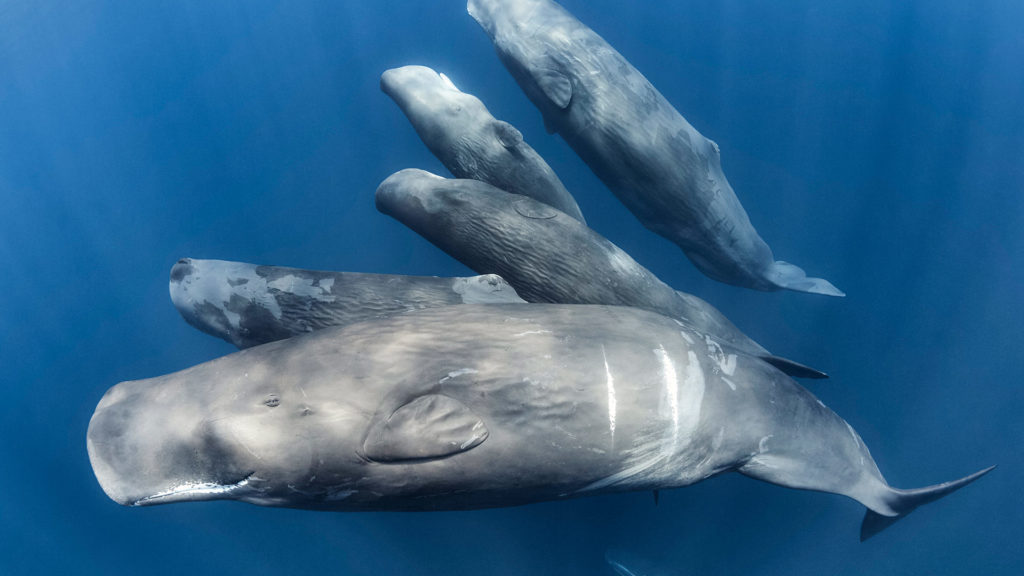
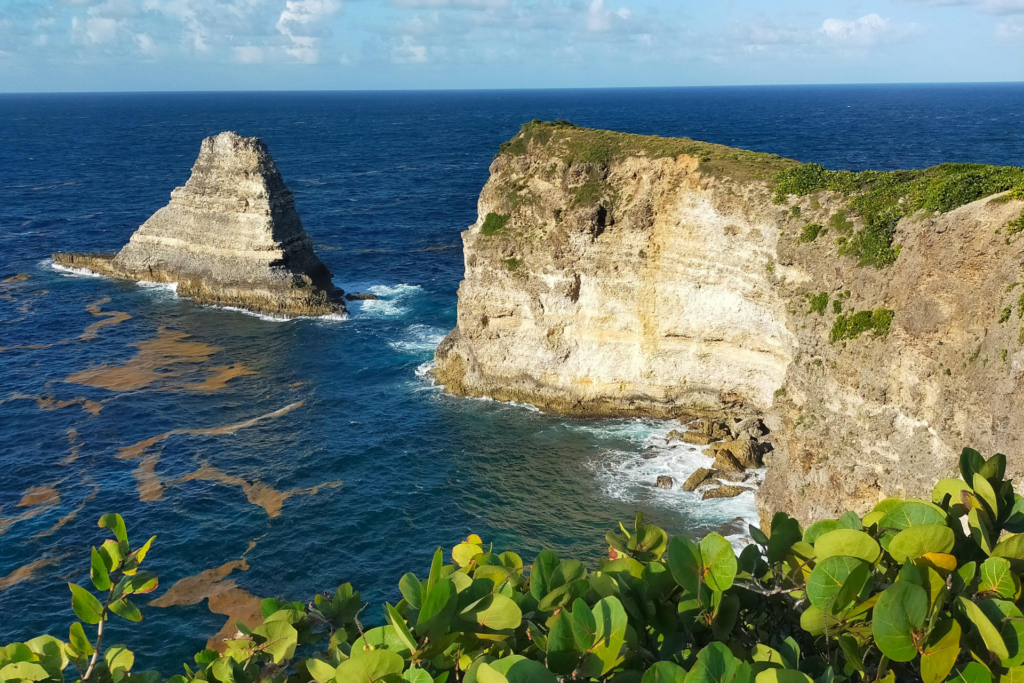
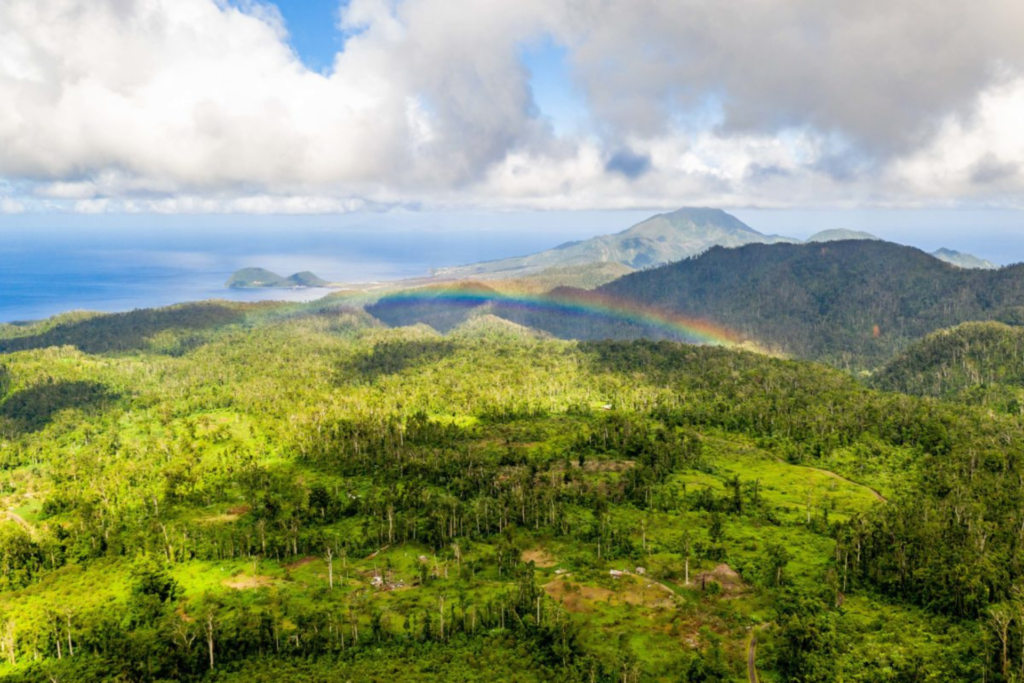
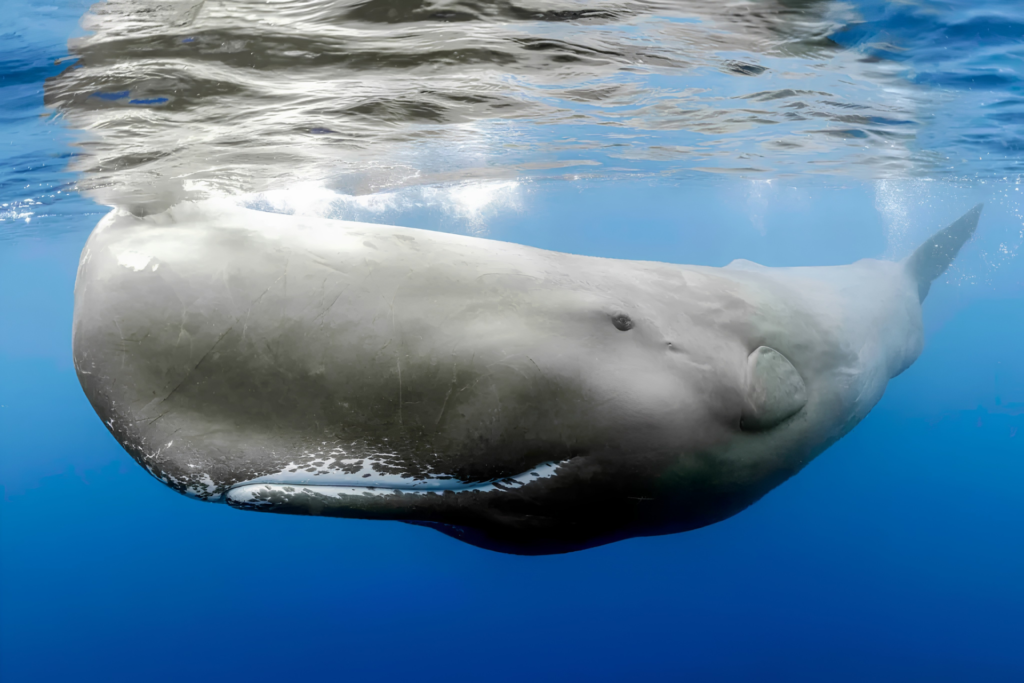
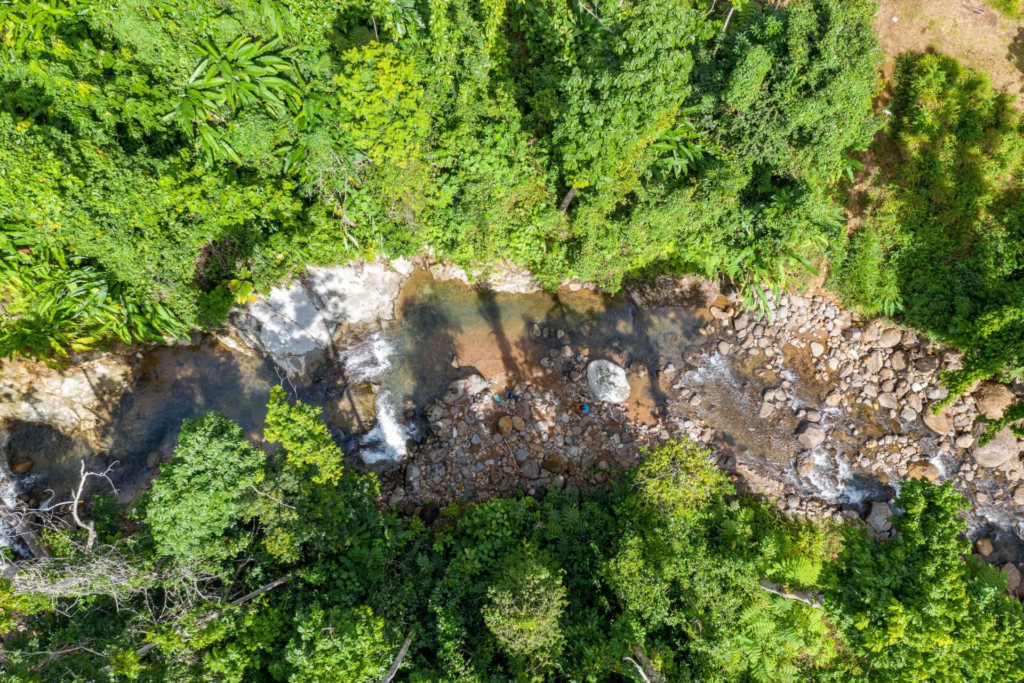
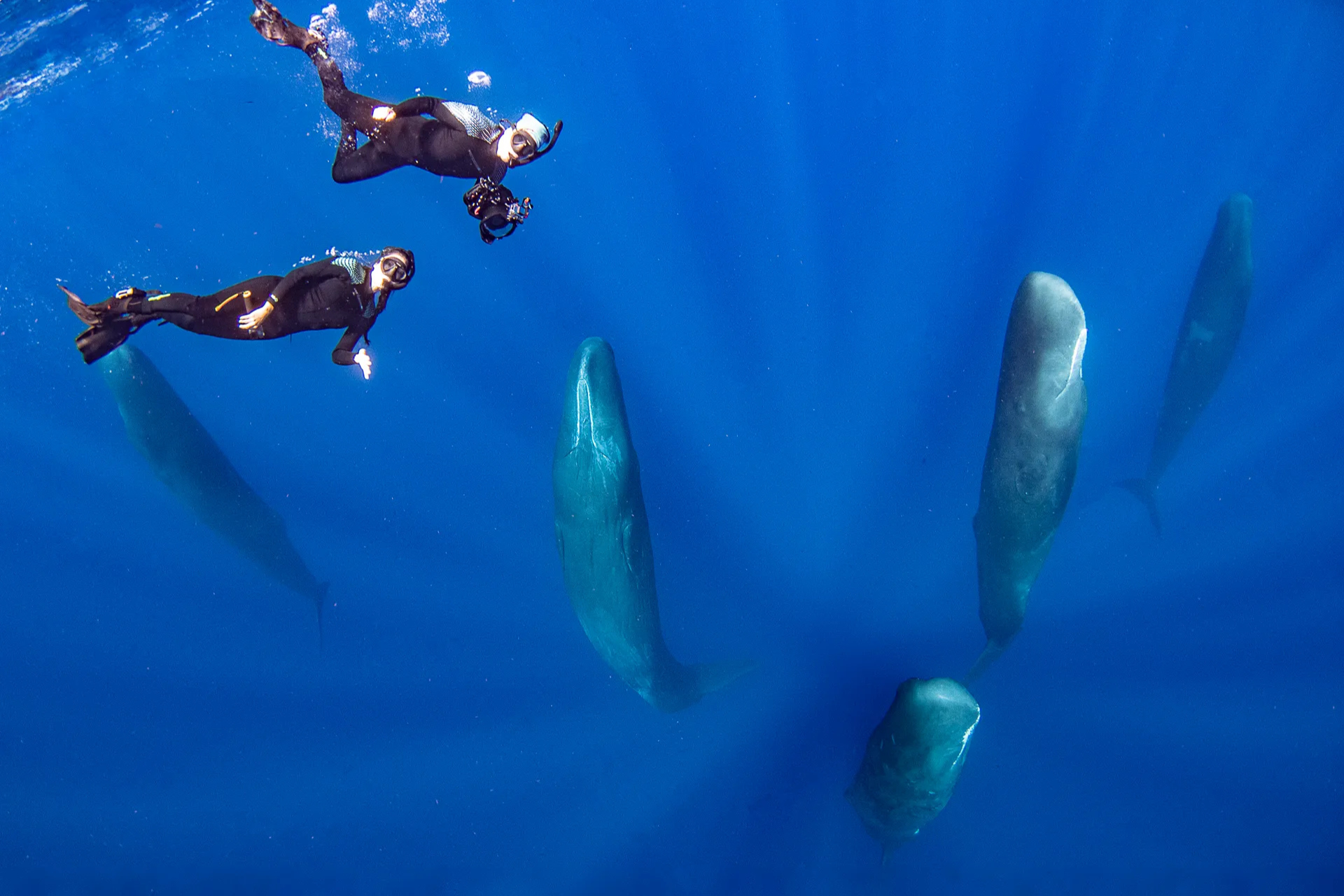
Off the leeward coast of Dominica, the rugged volcanic island midway between Guadeloupe and Martinique, a stable resident family of sperm whales has lived in coastal waters for generations. It is the only island in the Caribbean, and one of a vanishingly small number of places on Earth, where guests can be cleared to enter the water beside them. Dominica is not the Caribbean of cruise terminals and swim-up bars. It is the older Caribbean, the wilder one — a UNESCO-recognized nature island laced with 365 rivers, nine active volcanoes, and a marine shelf that drops to abyssal depths within a mile of the shore. It is, in every measurable sense, one of the most ecologically intact corners of the region.
2. Small, Design-Led Hotels Keep the Experience Private and Immersed in Nature
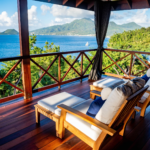
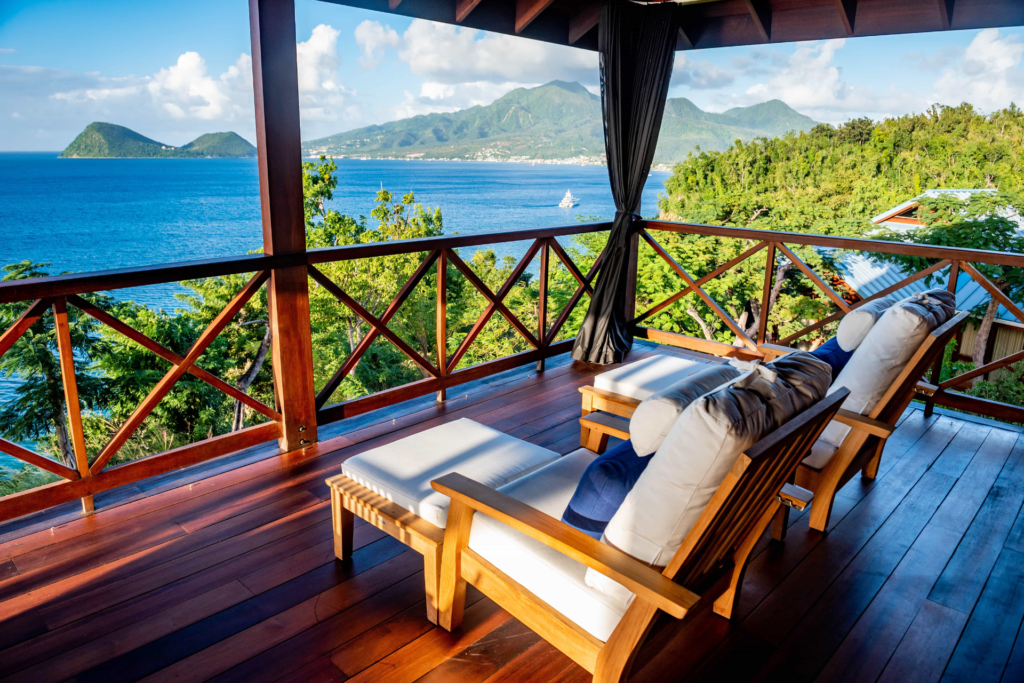
The launch points for the experience are a small handful of design-led properties strung along the island’s western cliffs — most of them under fifty rooms, several held to Relais & Châteaux standards, and almost all of them built on a similar philosophy. Architecture here tends to be rooted in place rather than imported onto it: tropical hardwoods milled locally, structures anchored into the cliffs rather than carved out of them, sightlines oriented to the prevailing trade winds so that air-conditioning becomes optional rather than mandatory. Villas reach the sea by way of wooden decks, plunge pools fall into the canopy, and the kitchens draw almost exclusively from on-property farms, the surrounding rainforest, and the fishing boats that pull into nearby villages each morning.
3. A Whale Family Researchers Have Known for More Than Two Decades
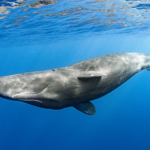
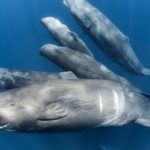
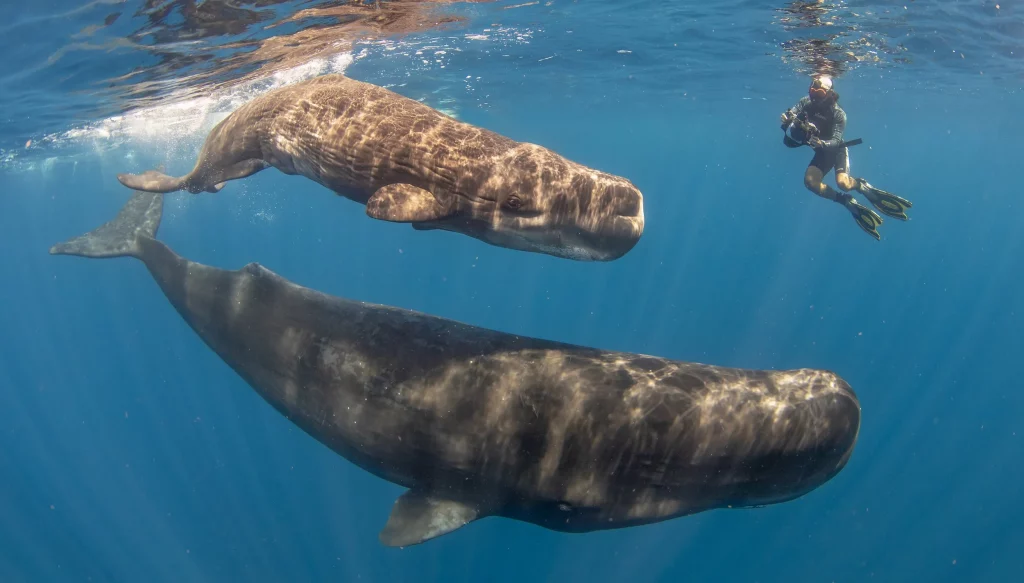
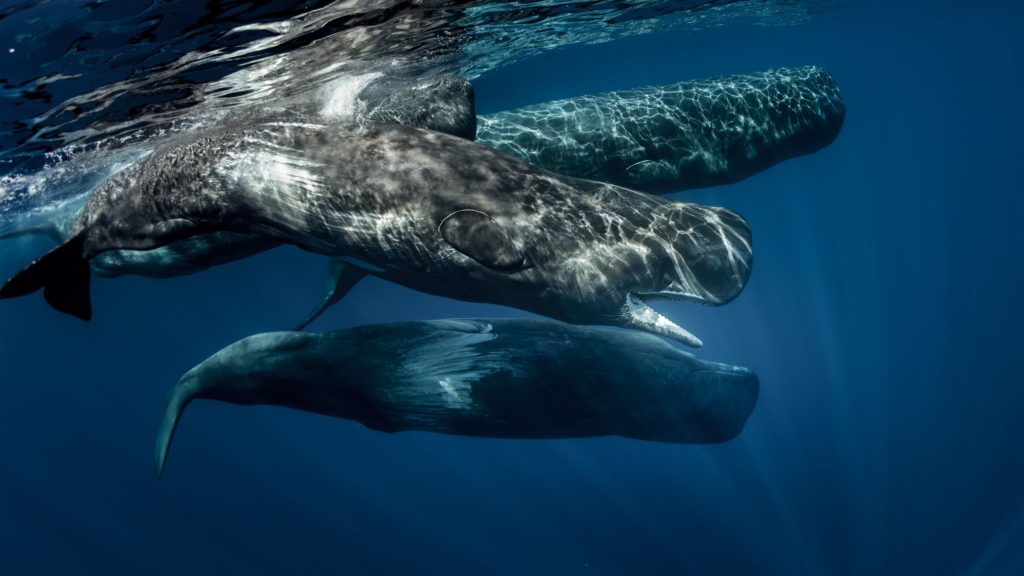
The two-day expedition itself is run with a precision more familiar from polar travel than from the tropics. A small private vessel departs at first light with a marine biologist guide, a licensed whale spotter, and a maximum of four guests in the water at any one time — a deliberate cap, far below what the permits would technically allow, that has more to do with the dignity of the encounter than with logistics. Sperm whales are the largest toothed predators on the planet, the deepest divers in the marine mammal world, and the species with the largest brain ever documented. They communicate in elaborate dialects of click sequences known as codas, and the family group resident off Dominica has been studied by researchers for over two decades, with several of its matriarchs now individually catalogued and named. Entry into the water is permitted only under government licence and only when the whales themselves are surfacing calmly, socialising, or otherwise comfortable with human proximity.
The window matters. November through April offers the calmest seas, the clearest visibility, and the most reliable encounters, though the resident population means sightings remain possible year-round. The experience itself is permit-controlled by the Dominican government, and demand has long since outstripped supply.
This is a stay for honeymooners, for couples marking the larger anniversaries, for photographers, and for the ocean-literate traveler who has long suspected the Caribbean had more to offer than its postcard reputation suggests.