

Japan welcomed a record 42.7 million international visitors in 2025. The more intrepid among them are trading the tourist trail for corners of the country that still feel undiscovered. Our founder, Mark Lakin, has been named Travel + Leisure’s Top Travel Advisor for Japan every year since 2016. Following a recent month-long scouting trip across the country, Mark shares incredible insights on places few travelers ever find. They range from craft cocktail bars down nondescript alleys in Kyoto to coastal towns where the seafood never leaves the island. Here are some of the best hidden gems in Japan, and how to experience them The Legacy Untold way.
1. Where Do Locals Go in Tokyo?

Tokyo is Japan’s most popular destination, but its many neighborhoods are full of little-known gems. In funky Sangenjaya, winding streets are dotted with tiny bars and cafés that cater to locals. Bohemian Shimokitazawa and Daikanyama are the places to unearth treasures in vintage clothing shops, independent boutiques, and galleries showing the work of young, emerging artists. Travelers can also try samurai sword making with a master, forging a blade of their own in the workshop of an elite swordsmith and taking home a souvenir no shop can match.
Where to stay: Janu Tokyo, part of Aman’s newest brand, has eight restaurants and one of the largest spas in the city. It is quickly becoming one of Tokyo’s most talked-about hotels.
2. What Is Kyoto’s Nightlife Like?
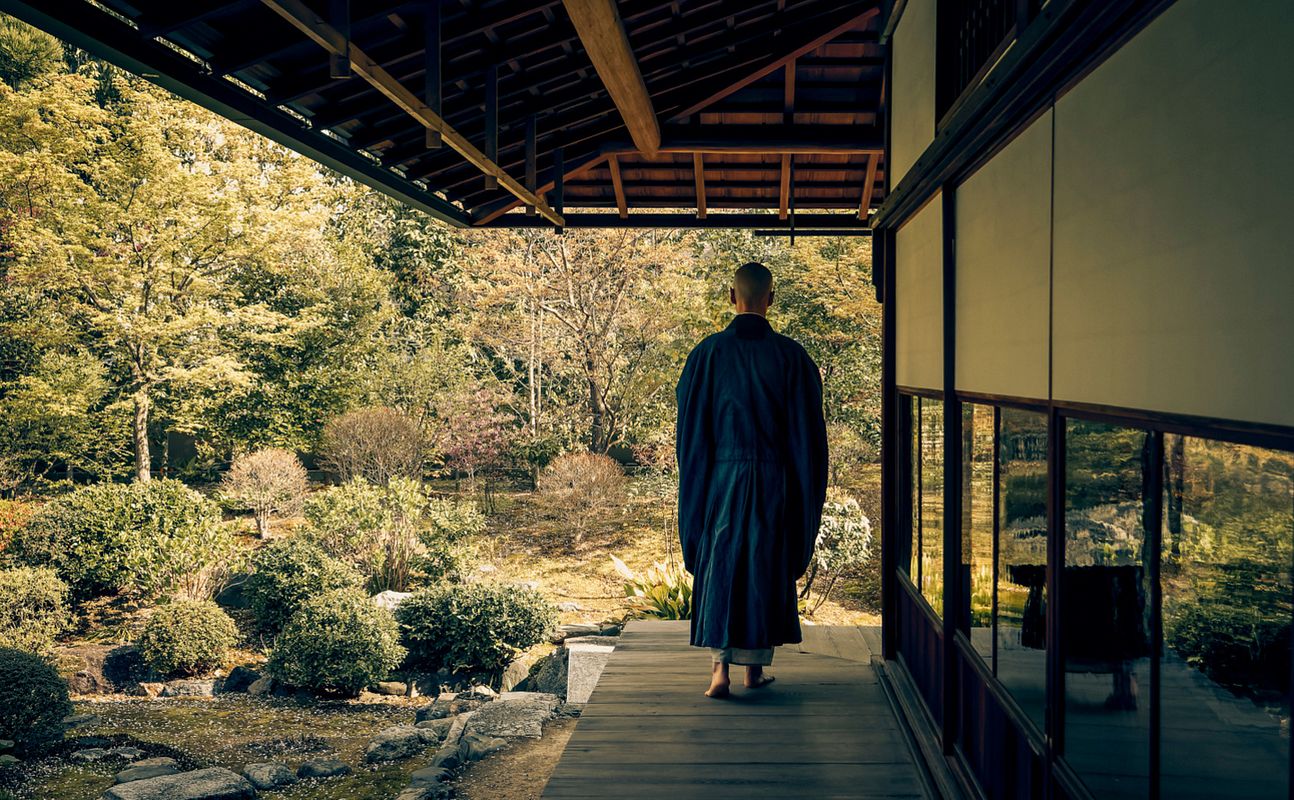
Kyoto has a dynamic, largely hidden nightlife scene. Travelers with insider knowledge can hop between nameless speakeasies. They can also slip through a secret door in the Marutamachi metro station into Club Metro, an underground dance club. Kyoto is also home to many of Japan’s geisha houses. Through our personal connections, guests can enjoy a private dinner with geisha, complete with drinks, a kaiseki meal, and musical performances by Japan’s oldest and most talented hosts.
By day, head just south of Kyoto to Uji, the birthplace of matcha. Here you can taste matcha from the more than 600-year-old Okunoyama Tea Garden, the last of the Muromachi-era Uji Shichimeien (Seven Tea Farms of Uji).
Where to stay: The Shinmonzen is a modern ryokan, or traditional Japanese inn, designed by celebrated architect Tadao Ando. It houses a Japanese-French restaurant by Chef Jean-Georges Vongerichten.
3. Is Onomichi Worth Visiting?
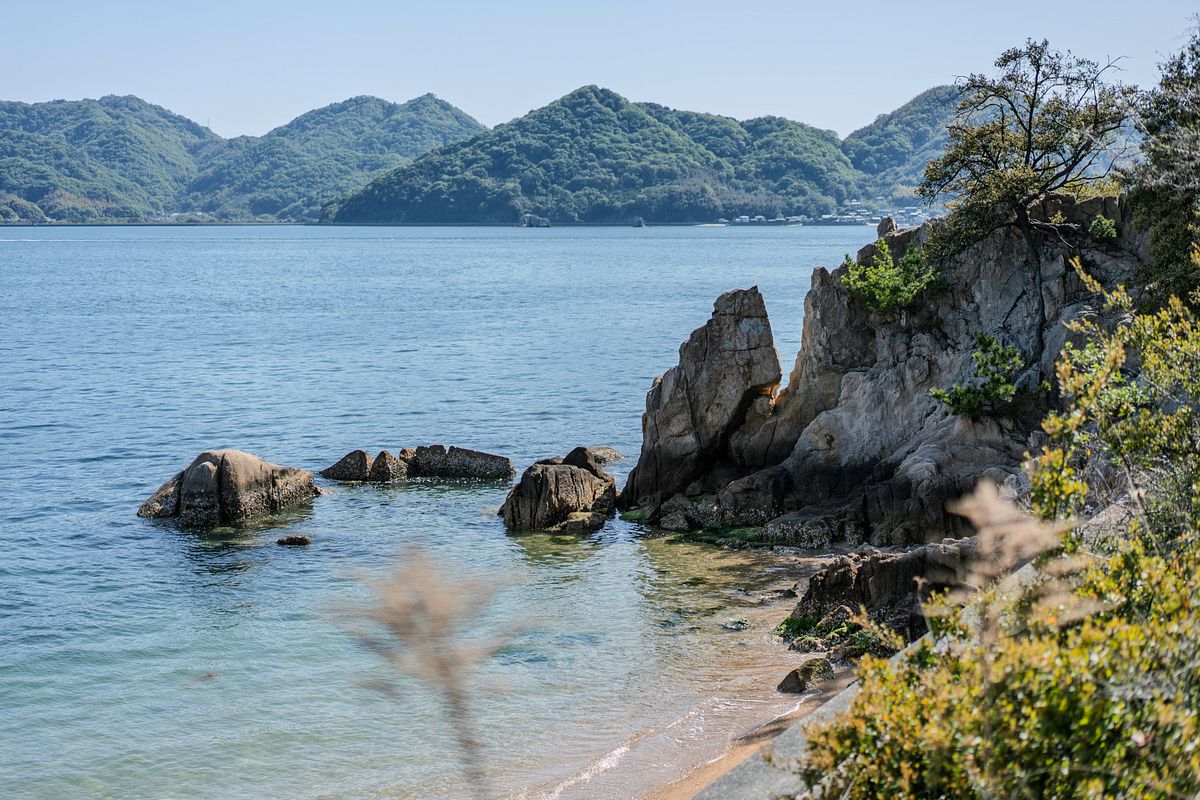
Onomichi sits along the Seto Inland Sea, just a 40-minute shinkansen (bullet train) ride from Hiroshima. It’s a picturesque fishing port full of tiny temples, local artisan shops, and charming cafés. It’s best explored by taking the cable car up the steep cliffs and wandering down its winding, sloping streets. From there, bike across architectural suspension bridges to the Setouchi Islands, or go by private boat. Meander through quaint fishing villages and along powder beaches made for picnics by the azure sea.
Where to stay: Azumi Setoda is a 22-room ryokan from Aman founder Adrian Zecha, who is pioneering tourism in this still-undiscovered corner of Japan.
4. What Is Fukuoka Known For?
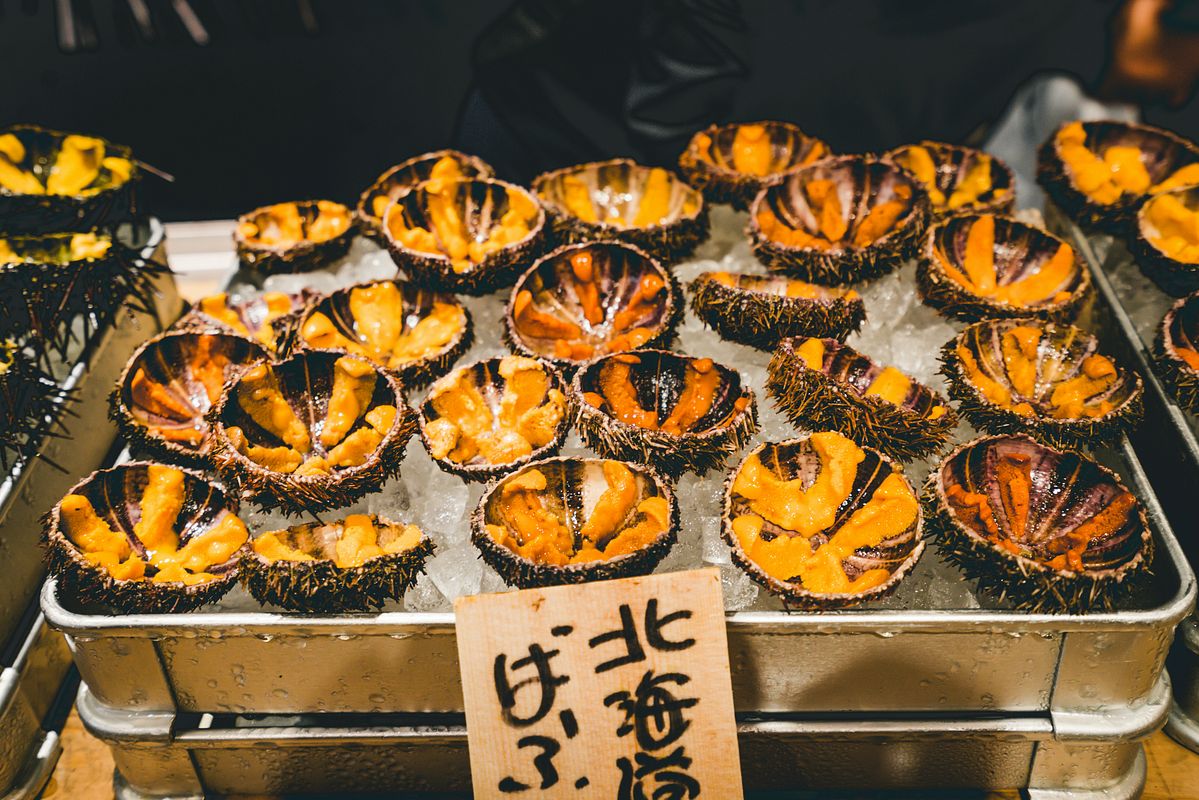
Fukuoka, on Japan’s southern island of Kyushu, is a vibrant, green city with a dynamic mix of culture, cuisine, and coastal charm. Dining ranges from rich Hakata ramen to some of the most delicious gyoza in the country. Beyond the table, there’s modern art, castle ruins, and shops run by local artisans. Come November, the Grand Sumo Tournament, Japan’s most famous spectator event, moves to Fukuoka. For a closer look at the sport, Sumo: Behind the Scenes is one of The Legacy Untold’s signature experiences.
Where to stay: The Ritz-Carlton, Fukuoka is one of the brand’s most luxurious properties in Japan. It has a Club Lounge, four restaurants, and sweeping views across Hakata Bay.
5. What Are the Best Alternatives to Niseko for Skiing?
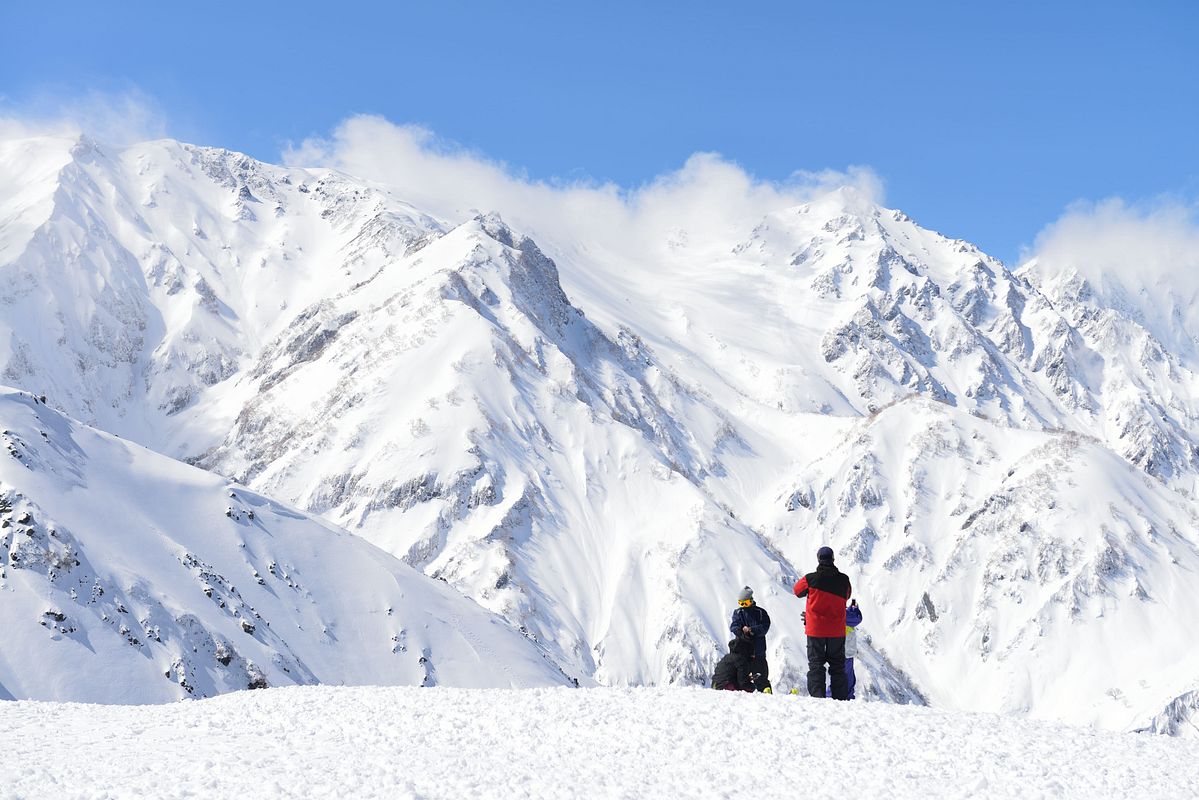
Instead of the better-known Niseko, try Hakuba or Nozawaonsen in Nagano Prefecture for an underrated ski experience, followed by an après-ski soak in a nearby onsen (hot spring). In neighboring Iiyama, you can join a gold leaf kintsugi workshop, go ice fishing with a local fisherman, or set out on a silent snowshoe trek through the woods with a monk.
Where to stay: We can arrange a stay in a privately owned minka, a traditional farmhouse restored with Western comforts in mind. Nagano also works as a day trip by train from Kanazawa.
6. Why Visit Japan’s Art Islands?
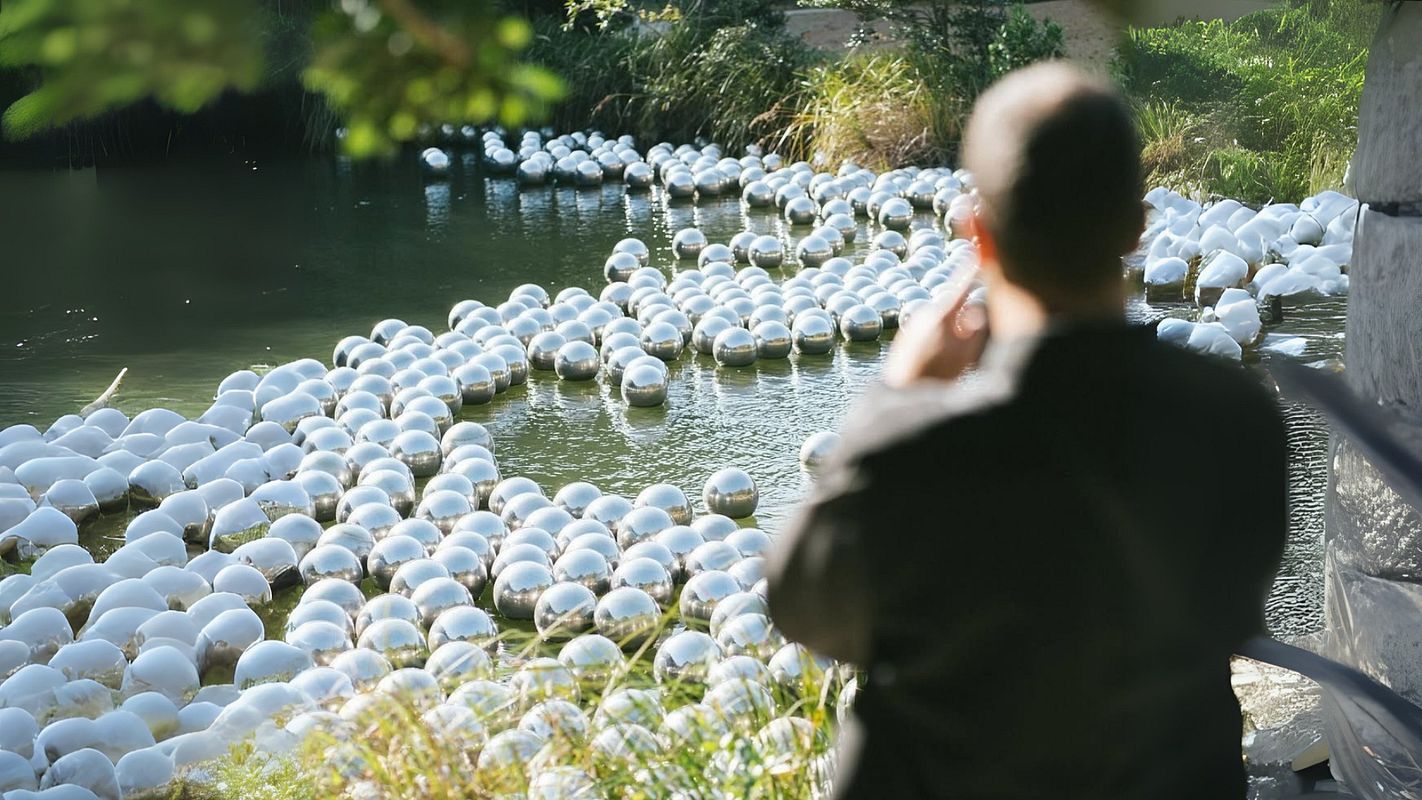
The Art Islands are a group of small islands in the Seto Inland Sea, including Naoshima and Teshima. They blend art, architecture, and nature, and have become a destination for art lovers from around the world. Here, visitors find avant-garde installations, world-class museums like the Chichu Art Museum, and outdoor sculptures such as Yayoi Kusama’s iconic “Pumpkin.”
Where to stay: Benesse House is both a museum and a hotel on Naoshima. Set on a quiet hillside overlooking the Seto Inland Sea, it’s perhaps the most immersive way to take in the region.
7. What Makes Kanazawa Special?
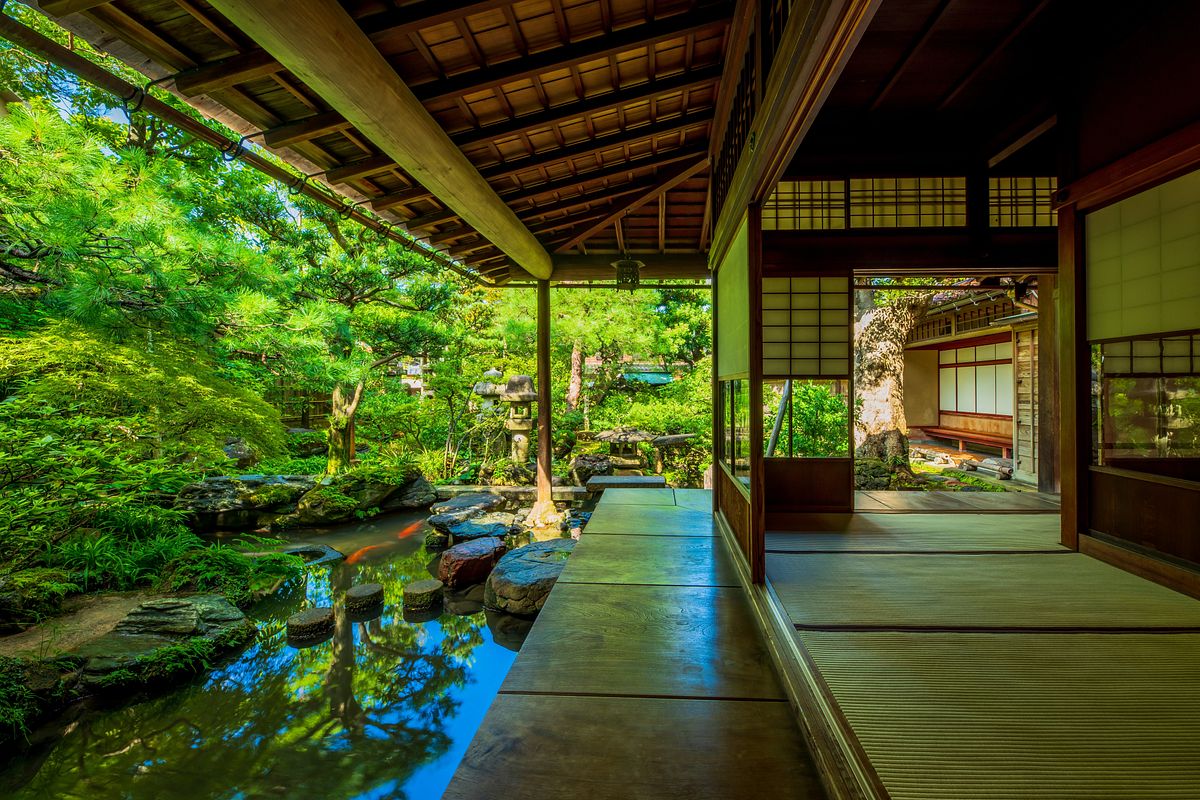
Kanazawa, the capital of Ishikawa Prefecture on central Japan’s western coast, offers the cultural wonders of Kyoto without the crowds. Explore Nagamachi, a preserved samurai district, and stroll through Kenroku-en, one of Japan’s Three Great Gardens. The city’s artisans are renowned for crafts from gold leaf to pottery. At a traditional geisha house, guests can drink sake and revel with Japan’s most delightful entertainers. Before leaving, sit down to a wagyu dinner. It’s perhaps Japan’s greatest meal, and one of its best values.
Where to stay: Korinkyo is an art gallery turned boutique hotel with an on-site distillery and spacious, cocoon-inspired rooms.
8. How Do You Plan a Luxury Trip to Japan Without the Crowds?
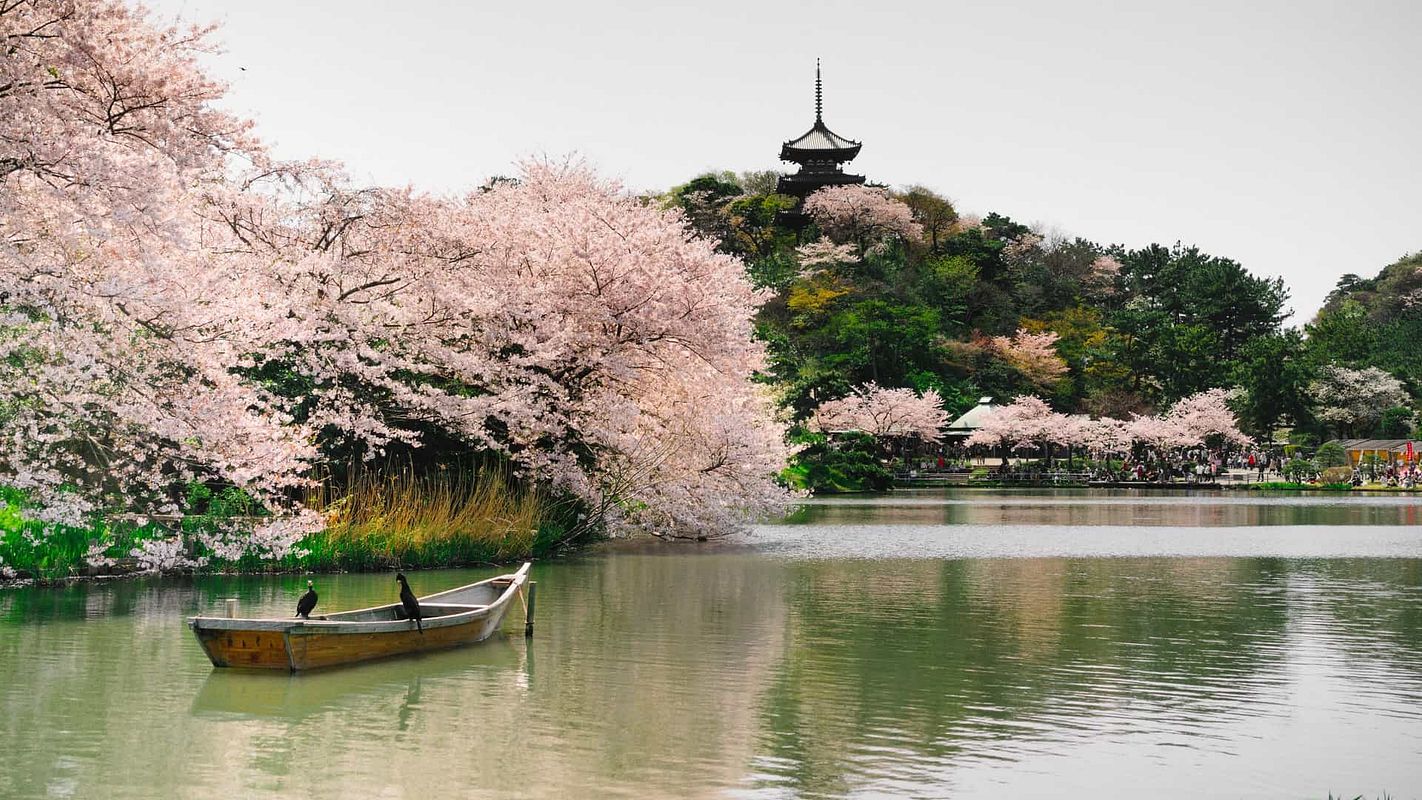
Japan is an incredibly complex country, and its most memorable experiences are rarely the ones that are advertised. That’s why planning a luxury trip to Japan off the beaten path starts with an advisor who knows the country firsthand. The Legacy Untold founder and CEO Mark Lakin has been named Travel + Leisure’s Top Travel Advisor for Japan every year since 2016. He is part Japanese, and his mother was born and raised there. Mark was recently named one of Oprah Daily’s 10 global Trip Fixers We Trust and one of Robb Report’s 24 global Masters of Luxury Travel.
The expertise featured above draws from his Travel + Leisure article, “I Plan Trips to Japan for a Living—These Are the Best Hidden Gems in the Country.” You can also click here to view a stunning lookbook created by The Legacy Untold. Mark says it best: “Our goal is to preserve the traditions that make Japan so unique—sumo, geisha, kimonos, 17th-generation sword sharpeners. What we offer is not the typical tourist experience, but a true and authentic journey into Japan’s soul, away from the crowds.”
To start planning your trip to Japan, contact us at [email protected] or at www.thelegacyuntold.com/travel/.