

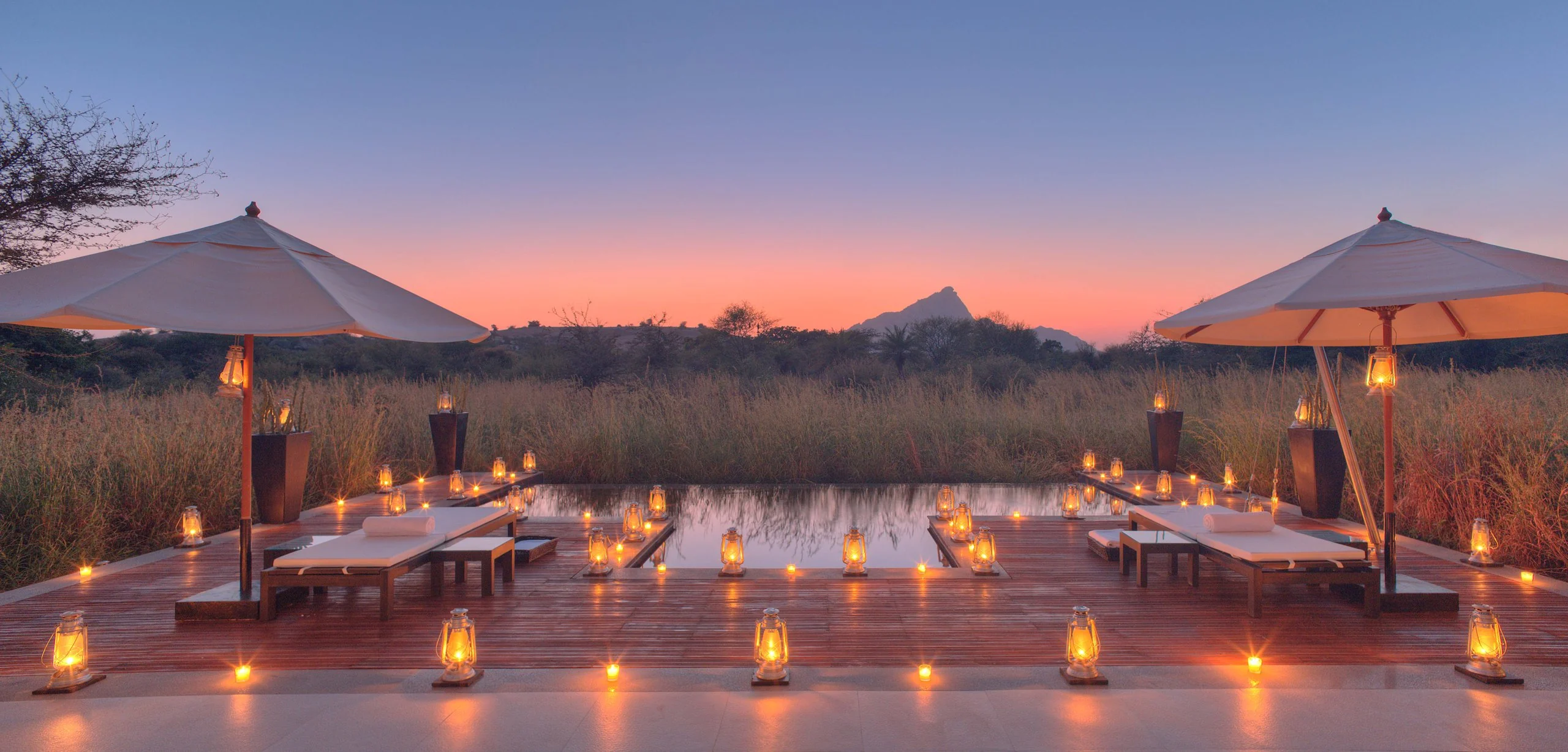
One of India‘s greatest draws is its sheer scale: within a single country, you can travel from desert to snow-capped mountains, jungle, and tropical beaches. The classic circuit — Delhi, the Taj Mahal, and the palaces of Jaipur and Udaipur — is a magnificent introduction, but it covers only a fraction of the subcontinent. In this blog, we uncover some of the best hidden gems across four of India’s most striking landscapes: the desert of royal Rajasthan, where a fort turns gold at sundown as camels cross the dunes; the snowbound Himalaya, where trackers scan frozen ridgelines at 13,000 feet for the shadow of a snow leopard; the jungle heartland, where leopards slip through the teak and sal forests that inspired The Jungle Book; and the tropical Andaman Islands, where kayak paddles set the water glowing with bioluminescence on moonless nights. For each, we share the finest luxury places to stay.
Desert, Lakes & Hills
1. What Are the Best Remote Luxury Lodges in Rajasthan?
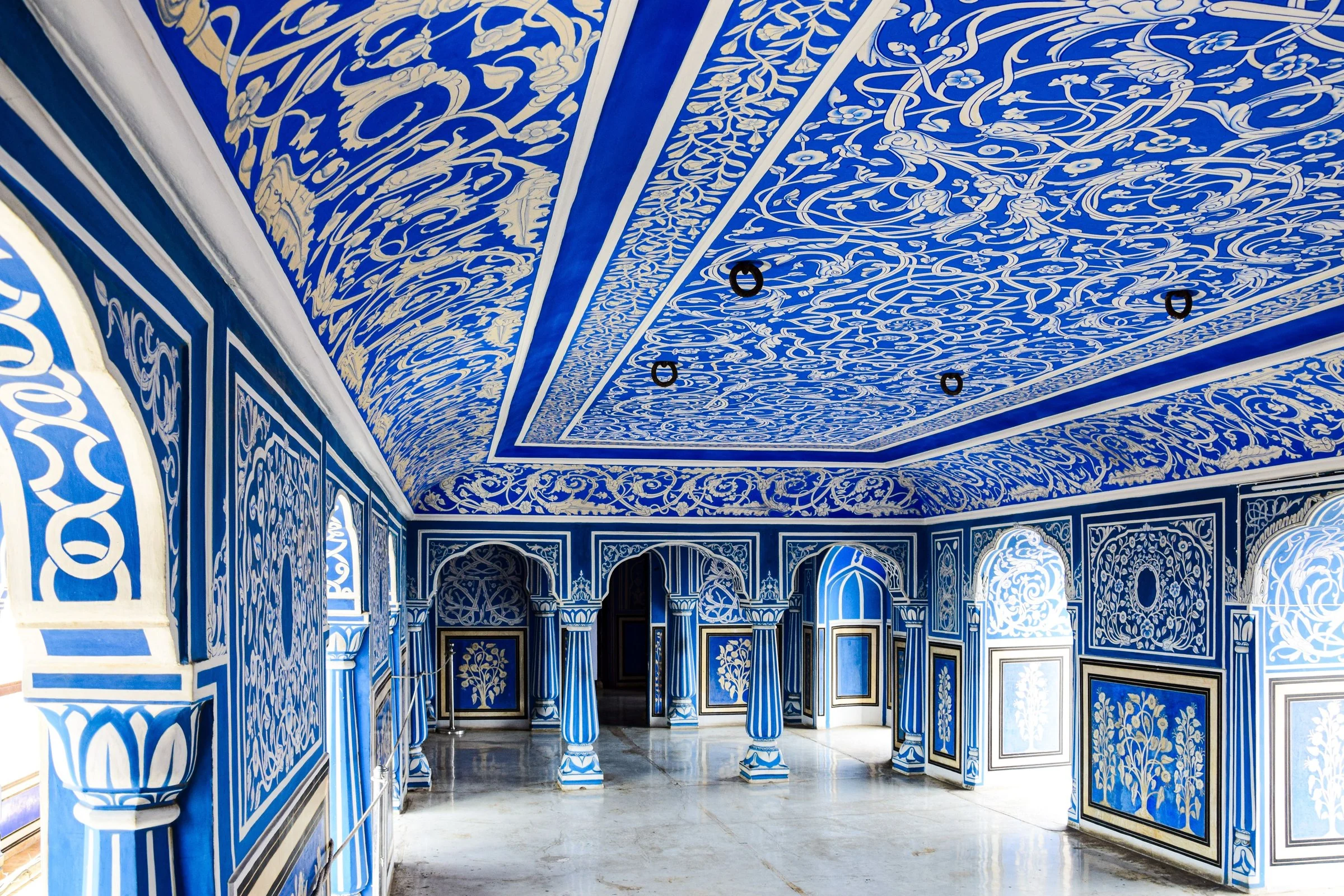 Some of Rajasthan’s most memorable hidden gems lie well beyond its best-known cities, from the desert around Jaisalmer to the Aravalli Hills near Ranakpur. Across the state, forts, palaces, and royal encampments built for the region’s maharajas have been restored as intimate hotels, and several are still owned by the families who built them.
Mihir Garh
An hour south of Jodhpur, this earth-toned fort rises from the Thar Desert, with just a handful of suites, each with a private plunge pool or open-air Jacuzzi. Mornings start on horseback, riding the family’s Marwari horses, a Rajasthani breed known for its inward-curving ears. Evenings end with a fireside shikar dinner on the sand and a camel ride home.
RAAS Chhatrasagar
In the late 19th century, Thakur Chhatra Singh dammed a tributary of the Luni River to irrigate the land around Nimaj. The reservoir turned scrubland into forest and wetland that now draws more than 200 bird species, from flamingos to kingfishers. Tents line the top of the dam, all facing east over the lake. Sunrise is spent birding by boat, and later, jeep drives head into the grasslands in search of nilgai. At night, dinner is served in the Baradari, a twelve-pillared pavilion above the water.
SUJÁN The Serai
Forty minutes from Jaisalmer, this camp is modeled on the royal caravan camps of Rajputana. The most private of its tents are the suites, each with its own heated plunge pool. By day, guests explore Jaisalmer Fort, one of the few forts in the world where families still make their homes inside the walls, among centuries-old havelis and Jain temples. Evenings begin with a camel ride over the dunes at sundown, followed by dinner by lantern light, with performances by Manganiyar musicians and Kalbelia dancers.
The Mountbatten Lodge
This intimate colonial lodge is a base for two of Rajasthan’s great monuments. Kumbhalgarh Fort’s 15th-century walls run for more than 20 miles, and the Jain temple at Ranakpur is carved with more than 1,400 marble pillars, no two alike. In between, guests can track leopards, ride out on horseback, and visit Garasia tribal villages. As the sun sinks behind the Aravalli Hills, the day closes with a glass of champagne on a quiet ridge overlooking the valley.
SUJÁN Jawai
Between Udaipur and Jodhpur, the granite hills of Jawai are home to one of India’s highest concentrations of wild leopards. The area is not a national park. The cats live alongside Rabari herders, who regard them as guardians, and often appear at dusk on the rocks above temples and villages. With only a few tented suites, the camp feels like a private hideaway. For families or friends traveling together, Eden at Jawai offers even more seclusion: a private two-bedroom encampment with its own heated pool, jeep, and butler. Naturalists and local trackers lead drives in open jeeps, and days can also include Rabari village visits, horseback rides, and sundowners on a hilltop. Nights end around the firepit, under a sky thick with stars.
Six Senses Fort Barwara
About two and a half hours from Jaipur, this 700-year-old fort was built by the Chauhans and later held by the Barwara royal family. Prithviraj Singh, one of their descendants, spent more than a decade restoring it, and its walls now enclose two original palaces and two temples. Today it is a wellness retreat, with a spa set inside the fort’s former women’s palace. Ranthambore Fort is just 30 minutes away, so mornings can be spent exploring its thousand-year-old ruins and afternoons at the spa’s Alchemy Bar, where guests blend their own scrubs from local oils, clays, and garden ingredients.
Mountains
2. What Are the Best Luxury Lodges for Seeing Snow Leopards in India?
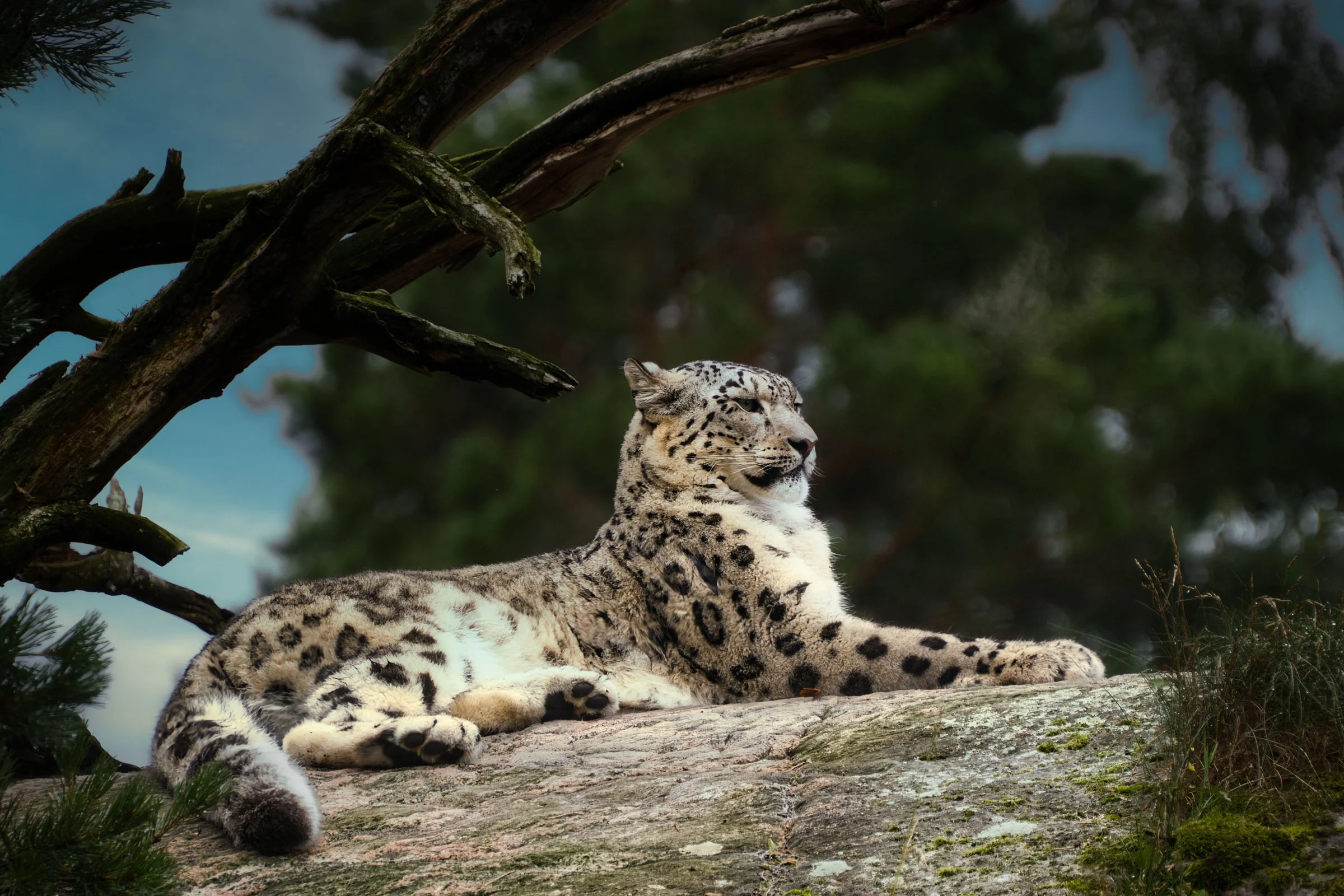 The endangered snow leopard is so rare and elusive that it was once thought to be a mythical creature. In Ladakh, in India’s far north, Hemis National Park and the Ulley Valley offer some of the best odds on Earth of seeing one in the wild between January and March, when blue sheep and ibex descend to the lower valleys for winter and the cats follow. We plan these journeys around the peak of the season, when the region’s experienced local trackers are out in the valleys.
The Grand Dragon
Run by the Abdu family in Leh, this hotel is the ideal place to spend the first few days acclimatizing to the altitude. Even in the depths of a Himalayan winter, underfloor heating keeps the rooms warm while temperatures outside drop well below freezing. Interiors draw on Ladakhi textiles and woodcarving, and the paintings of local life on the walls are by Gulam Mustafa, one of the Abdus. Meals come with views of the snowcapped Stok range, and the 17th-century Leh Palace is a short walk away.
Snow Leopard Lodge
In the tiny hamlet of Ulley, about 13,000 feet up, this lodge began as the homestay of a local snow leopard tracker and his wife. Its few suites sit beside a Ladakhi family’s home, and evenings are spent in the family kitchen. The search for this elusive big cat involves the whole valley. Trackers piece together reports from villagers, alarm calls from prey, and fresh pawprints, while teams in neighboring valleys pass along sightings. Along the way, guests may spot ibex, urial, Tibetan wolves, and lammergeiers riding the thermals. Every visit supports the Snow Leopard Conservancy India Trust. You can learn more about snow leopard trekking with The Legacy Untold here.
Jungle
3. What Are the Best Luxury Jungle Lodges in India?
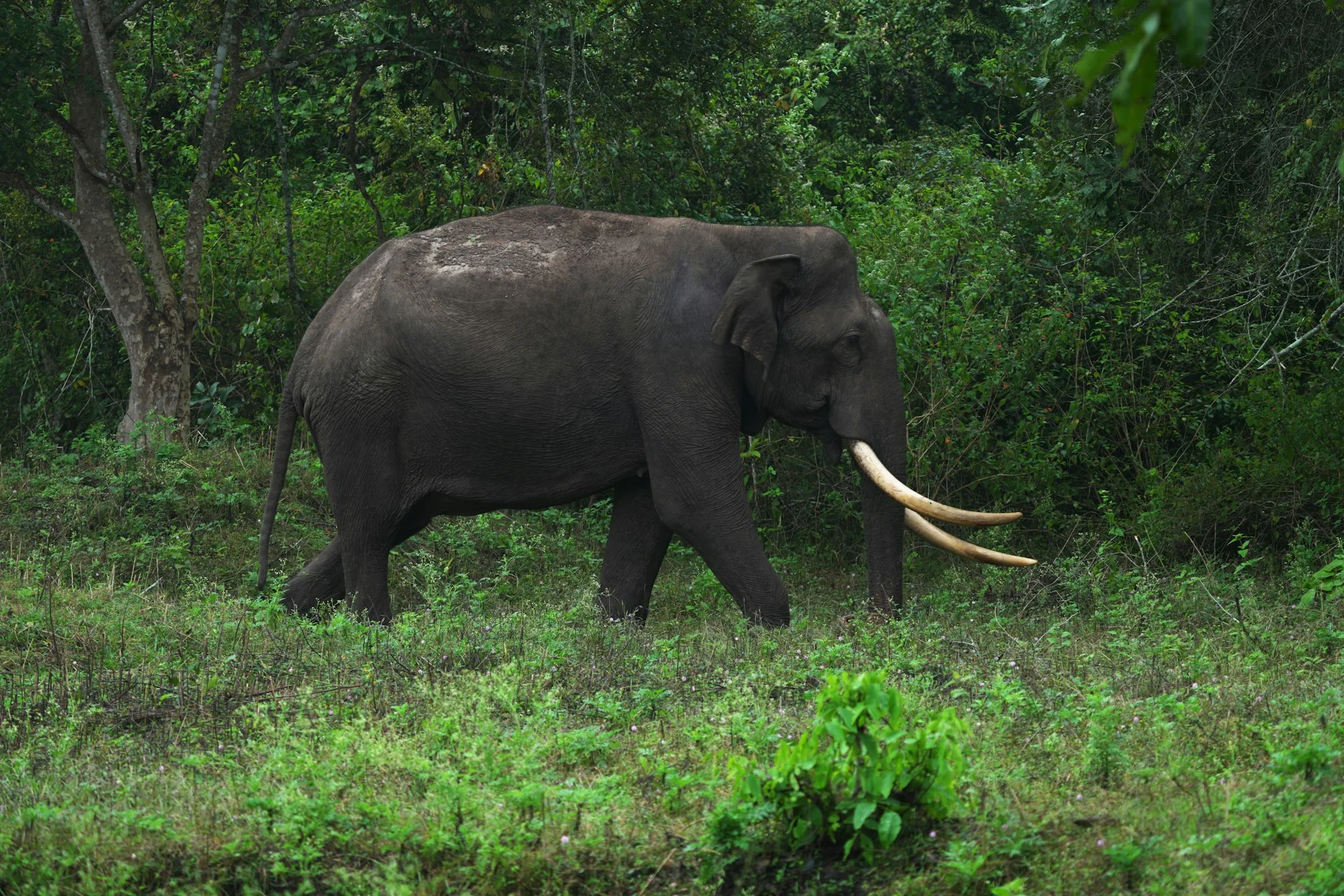 India’s forests hold some of Asia’s richest wildlife, from leopards and sloth bears to gaur, dhole, and wild elephants. In central India, the sal and teak forests of Madhya Pradesh feel wonderfully untouched, while in Ranthambore, the jungle has grown around the ruins of a thousand-year-old fort. The finest lodges sit at the edges of the parks, with naturalists who know every trail. Many parks close their core zones during the monsoon, roughly July through September.
Jamtara Wilderness Camp
The forests around Pench National Park in Madhya Pradesh are the inspiration for Rudyard Kipling’s The Jungle Book. This tented camp sits in a dry riverbed shaded by arjuna trees and an ancient banyan, and the front of each tent rolls up to open onto the trees. Morning and afternoon drives head into the park in search of leopards, sloth bears, and gaur, the largest cattle on Earth. Between drives, guests can cycle through old citrus groves or glide along the waterways by boat, watching for birds. For one unforgettable night, they can sleep out on a machaan, a four-poster bed raised on stilts in a village farm, and drift off under the stars to the sounds of the jungle.
SUJÁN Sher Bagh
On the edge of Ranthambore National Park, this camp recreates the safari camps of the 1920s, with just ten tents and two tented suites set among 16 acres of mango orchards. The park’s wildlife roams among crumbling ruins and the UNESCO-listed Ranthambore Fort, and guides with decades of experience in the park lead morning and afternoon drives in search of leopards, sloth bears, and marsh crocodiles, and evenings end around the campfire with dinner cooked in clay ovens.
The Oberoi Vanyavilas
Set in 20 acres of gardens and forest just outside Ranthambore, this resort’s 25 tents are modeled on the royal tents of Rajasthan’s traveling courts, with embroidered canopies, teak floors, claw-foot tubs, and private walled gardens. Guests can explore Ranthambore Fort, home to one of India’s oldest Ganesha temples, or take a boat out on the Chambal River in search of gharials. At sunset, drinks can be served on the resort’s observation tower, overlooking the jungle.
Tropical Islands
4. Are the Andaman Islands Worth Visiting for a Luxury Escape?
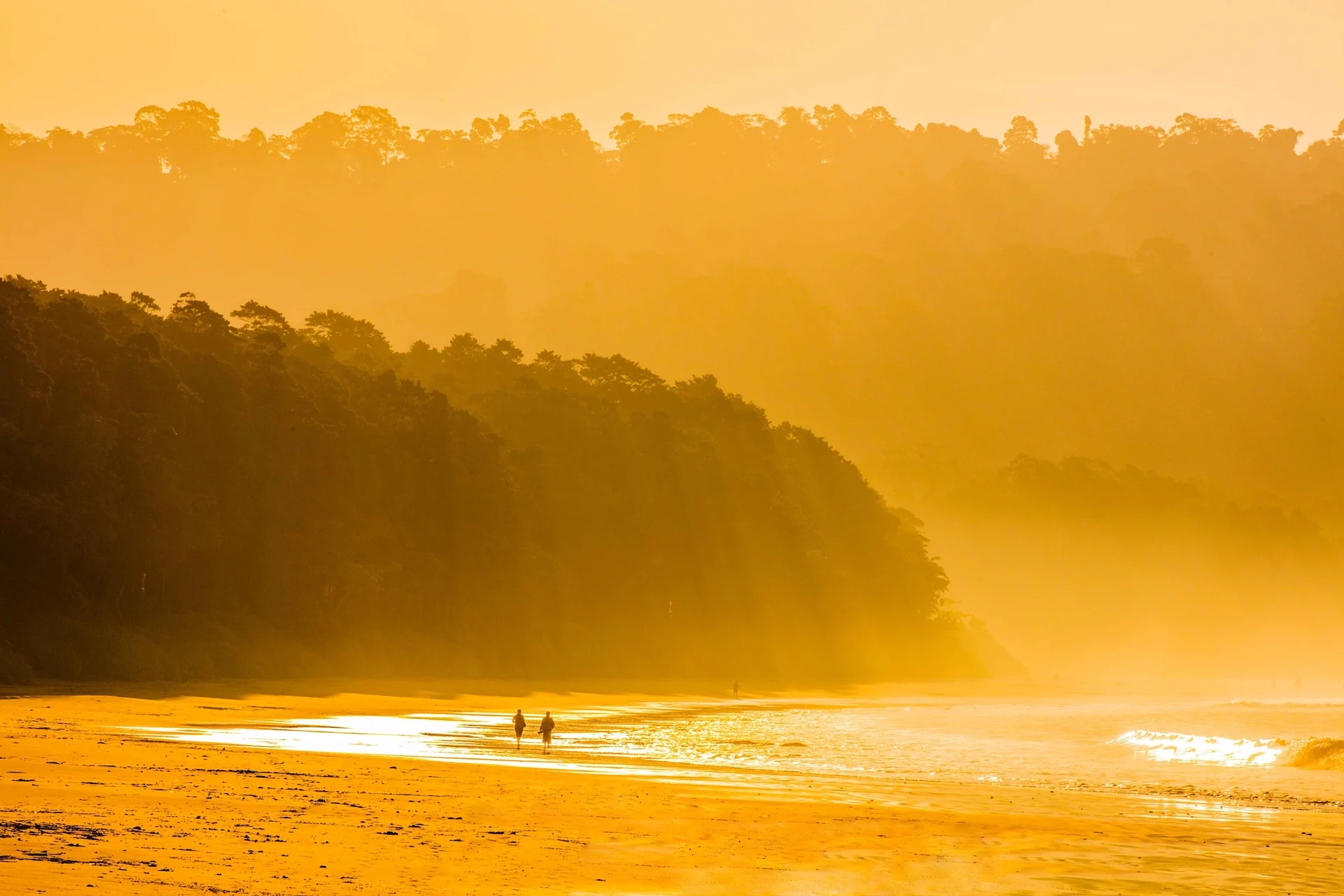 Far off India’s east coast, the Andaman Islands rise between the Bay of Bengal and the Andaman Sea, with white-sand beaches backed by rainforest and coral reefs just offshore. Most travelers fly to the capital, Sri Vijaya Puram (formerly Port Blair), and continue by boat to Havelock Island, now officially Swaraj Dweep. Diving and snorkeling are best from November to April.
Taj Exotica Resort & Spa, Andamans
Radhanagar Beach, often ranked among the finest in Asia, is home to the islands’ first true luxury resort, with villas raised on stilts beneath curved thatched roofs. Days bring diving and snorkeling over the reefs and kayaking through the mangroves. After dark, guests paddle out in search of bioluminescence, and from December to February, sea turtles come ashore to nest.
Get in Touch
Together, royal Rajasthan, the snowbound Himalaya, the jungle heartland, and the tropical Andamans hold India’s finest hidden gems, and they reward careful planning. Snow leopard season in Ladakh falls during Rajasthan’s winter high season, the Andamans are calmest from November to April, and many jungle parks close for the monsoon. We build each journey around those windows, alongside India’s grand classics — securing the best suites, the right trackers and naturalists, and smooth connections between snowbound valleys, desert camps, jungle lodges, and island villas. For more of the subcontinent’s lesser-known side, explore India’s Remote Corners & Colorful Festivals.
Whether you dream of a winter search for snow leopards paired with Rajasthan’s desert forts or jungle drives that end on an Andaman beach, we’ll shape the route, the timing, and the properties around the corners of India that draw you. Our founder, Mark Lakin, is recognized as one of Oprah’s 10 “Trip Fixers We Trust” and a Robb Report “Master of Luxury Travel,” alongside an unbroken run on the Travel + Leisure A-List, where he has been named a “Top Travel Specialist” every year since 2015.
Contact us at [email protected] or visit www.thelegacyuntold.com/travel to start planning your trip to India.