

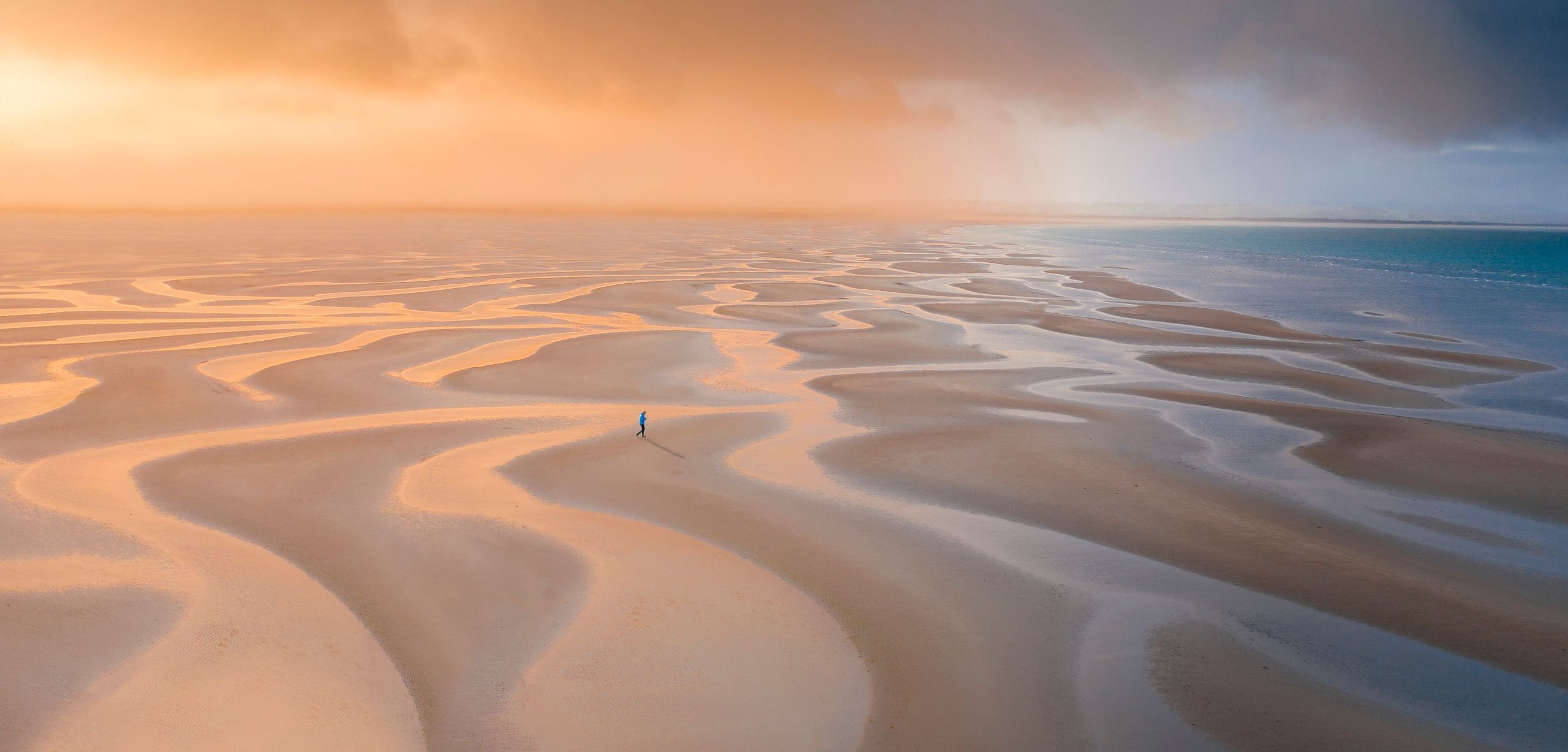
Few destinations reward a long journey quite like Australia does. The flight from the U.S. to Sydney is about 14 hours, and the payoff is a country with more variety than almost anywhere on Earth. Australia is one of only 17 countries considered “megadiverse,” a title reserved for the most biodiverse nations, and more than 80% of its plants, mammals, reptiles and frogs are found nowhere else. It’s also home to the world’s largest coral reef system, one of the oldest living Aboriginal cultures and landscapes that range from red desert to cool-climate wine country. Below, we cover the six experiences that make the long flight worthwhile.
1. What Are the Best Things to Do in Sydney and Melbourne for Luxury Travelers?
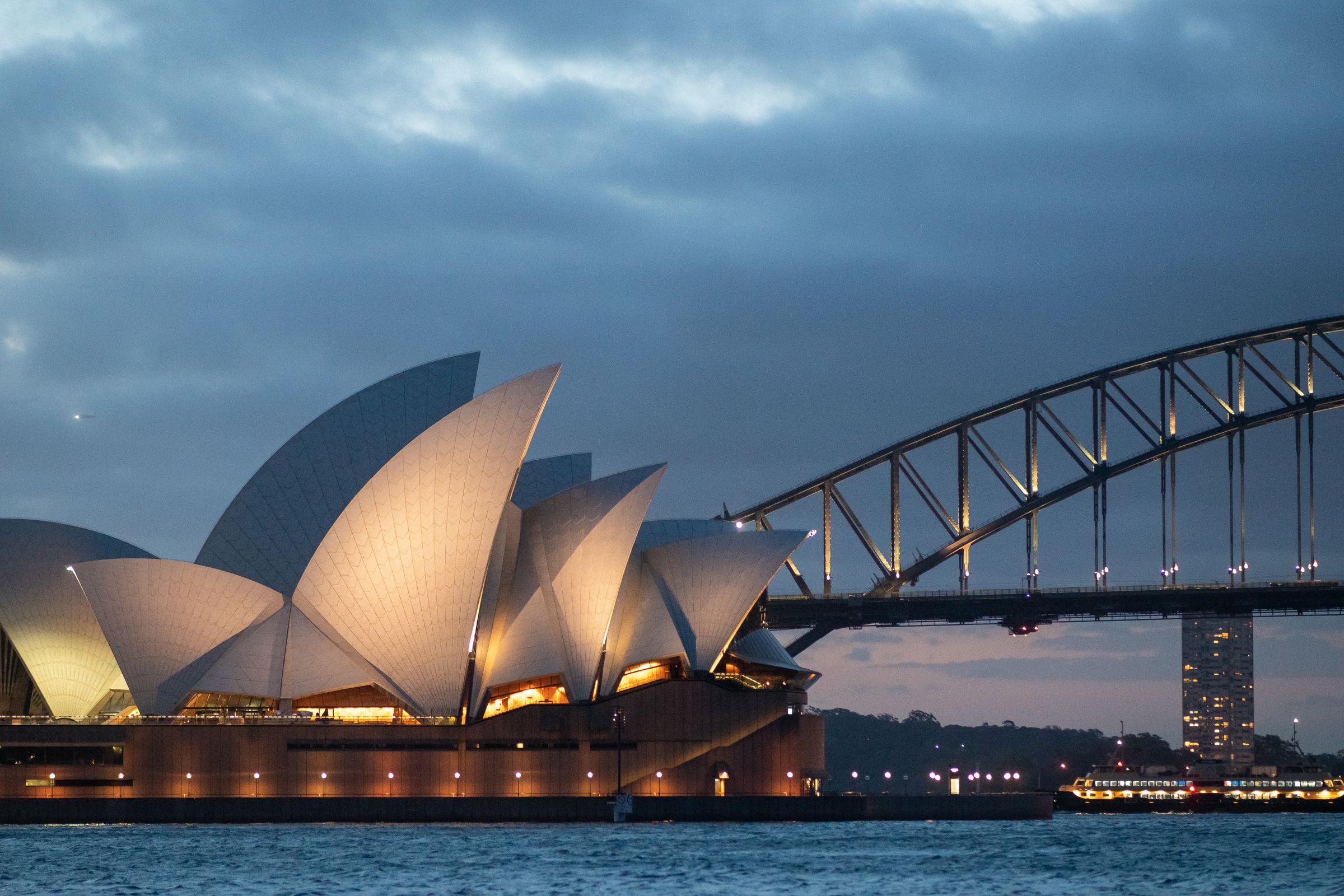 In Sydney, a private recital at the Opera House, an afternoon on the harbour aboard an electric yacht and dinner at one of the city’s most talked-about restaurants. In Melbourne, its laneways and street art, and an evening of barrel-aged cocktails at NEXT Melbourne.
Sydney
Morning at the Opera House
Begin the day behind the scenes at one of the world’s most iconic buildings, with an expert guide who shares the stories behind how it came to be. The Opera House is the youngest cultural site on UNESCO’s World Heritage List, and today it hosts more than 1,800 performances a year. The Opera House’s first performance took place in 1960, when the building was still a construction site, long before the roof went on. The American singer Paul Robeson sang to the construction workers on their lunch break.
Afterward, we can arrange a private recital for you in one of the Opera House’s beautifully designed spaces. One of Australia’s most talented singers, accompanied by a pianist, performs a program built around your own musical tastes, from favorite arias to the songs that mean the most to you.
Afternoon on the Harbour
Then set sail aboard the EV Arcadia, Sydney Harbour’s only electric charter yacht. The Arcadia combines the luxury of private yachting with the principles of eco-conscious travel. With no engine noise, you glide past the Harbour Bridge and the Opera House you explored that morning. From there, the yacht heads on to quieter coves and grand waterfront homes most visitors only see from the shore. When Arthur Phillip, the first governor of New South Wales, explored these waters in 1788, he called them “the finest Harbour in the World,” and from the deck it’s easy to see why. Lunch is built around fresh Australian produce and paired with a bottle of regional wine. Swim in a sheltered cove, or relax on deck and take in the harbour from the water.
An Evening Out in Sydney
End the day at one of Sydney’s most talked-about restaurants. At Firedoor in Surry Hills, chef Lennox Hastie cooks every dish over a wood fire, without a single gas burner or electric oven. In Paddington, at Saint Peter, chef Josh Niland uses about 90% of every fish, from dry-aged cuts to terrine and sausage made from parts most restaurants throw away.
Melbourne
The Laneways and Street Art
Begin in Melbourne’s city center, where a network of narrow laneways runs between the main streets, lined with cafes, small bars and boutiques. Linking them are 19th-century shopping arcades with high glass roofs, including the Royal Arcade, the oldest surviving arcade in Australia. Then head to the inner-city neighborhoods of Fitzroy and Collingwood, just north of the center, to meet the makers and designers behind local studios and workshops, with morning tea and a cafe-style lunch along the way.
In the afternoon, the focus turns to street art. Graffiti first spread through Melbourne’s inner suburbs in the 1970s and ’80s, inspired by New York City. By the early 2000s, the city had earned a reputation as the “stencil capital of the world,” and in 2003, Banksy himself left stencils in its laneways. Explore the history of Melbourne’s street art in the inner-city neighborhoods where the movement took hold. Then step into a private studio, closed to the public, to hear stories from some of Melbourne’s most respected artists. Outfitted with safety gear and a full palette of spray paint, you then create a design of your own with a professional artist before leaving your mark on a Melbourne wall.
An Evening at NEXT Melbourne
End the day three floors above the city at NEXT Melbourne, where the bar feels more like a cellar. In the dimly lit corners of La Madonna, cocktails rest in wooden barrels behind the bar, aging before they reach your glass. For an evening to yourselves, the Barrel Room seats just eight. There, you can learn to blend and age a cocktail of your own, then raise a glass to the trip so far.
2. Inner vs. Outer Great Barrier Reef: Which Is Better for a Luxury Trip?
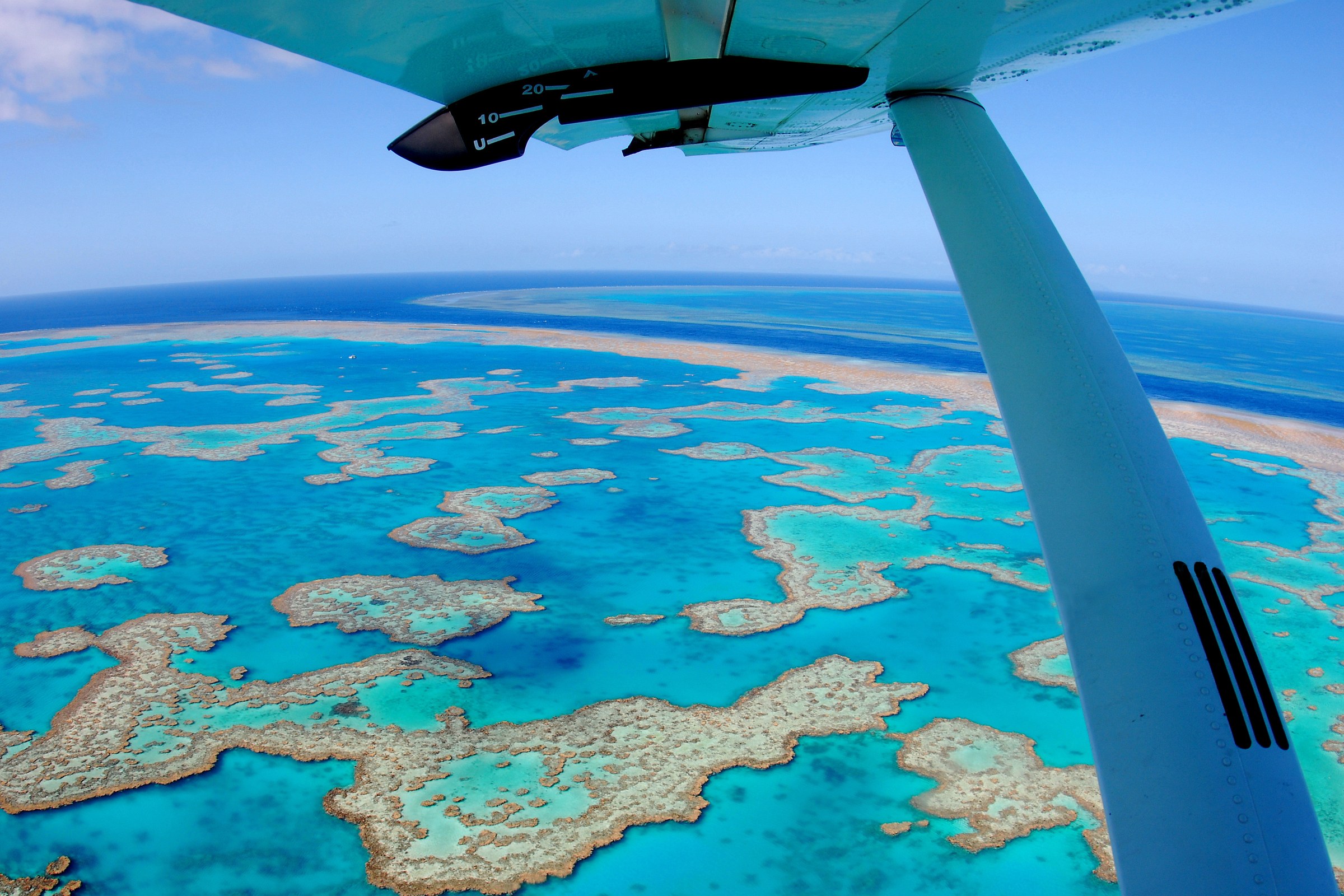 The outer reef. Far offshore, on the very edge of the continental shelf and beyond the reach of runoff from the coast, the outer reef has some of the clearest water on the Great Barrier Reef, with coral gardens in sharp focus from the surface, even over deep water. Reef sharks, eagle rays and schools of barracuda patrol its walls, and in June and July, curious dwarf minke whales glide right up to snorkelers.
The journey out begins in the air. By helicopter or seaplane over the Whitsundays, the reef unfolds below in shades of turquoise, past the swirling white sands of Whitehaven Beach and Hill Inlet to Heart Reef, a naturally heart-shaped formation visible only from above. Aboard a private yacht, your dive guide chooses a different site each morning, and lunch is served on deck between swims. Spend a night or two on board, and you can slip into the water at sunrise, when the sea is glassy and the only boat on the horizon is yours.
3. What Is the Most Luxurious Way to Experience Uluru?
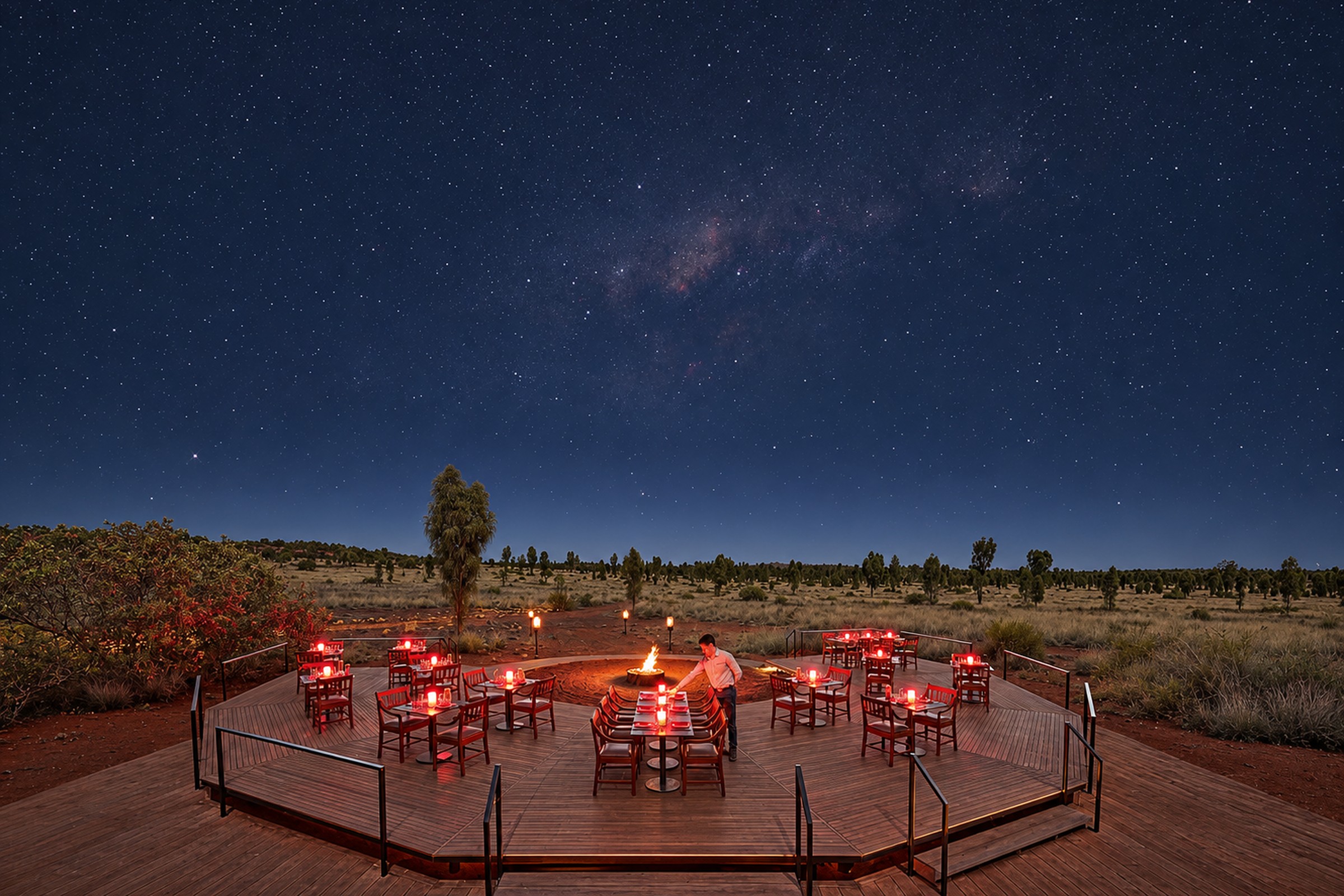 Uluru is best experienced slowly, over two or three days, with Anangu guides by day and an alfresco dinner in the rust-red dunes at sunset.
From the flat red plain of Australia’s Red Centre, a single mass of sandstone rises 1,142 feet, taller than the Eiffel Tower. Circling its base on foot takes about three and a half hours, and every turn shows a different face of the rock. For the Anangu, who have lived on this land for more than 30,000 years, Uluru is sacred. In their telling, ancestral beings, part human and part animal, crossed the land at the beginning of the world and shaped it as they went. The rock still bears the marks of their journeys.
By Day
Two short, easy walks at the base of Uluru lead to sites from creation stories still told today.
The Mala Walk, about 1.2 miles and an hour and a half, passes a series of caves. In these stories, the caves were home to the Mala, ancestral beings who were part human and part hare-wallaby, a small kangaroo-like animal. One cave served as their kitchen, and rock paintings cover the walls of several others. The walk ends at Kantju Gorge, a quiet waterhole surrounded by sheer red cliffs.
The Kuniya Walk, about half a mile and under an hour, leads to Mutitjulu Waterhole, one of the few places around Uluru with water all year. The stories tell of two ancestral beings who fought here: Kuniya, a python woman, and Liru, a venomous snake man.
Both walks are best done early in the morning, while it’s still cool and quiet.
At Sunset
Longitude 131°, one of our favorite properties, has just 15 tented pavilions scattered along the dunes, each with a glass wall facing Uluru, so the rock is the first thing you see when you wake up.
Evenings begin on the dune with Champagne, timed for the moment Uluru turns from orange to deep red to purple. Every other night, dinner moves to Table 131°, a table set on a remote dune where chefs cook by torchlight. The four-course menu is built around bush ingredients like wattleseed, quandong and lemon myrtle, and changes with the traditional seasons, from Kuli, the peak of summer heat, to Wari, the coldest stretch of winter. Each course is paired with Australian wine while a guide points out the Southern Cross and the planets overhead.
Back at your pavilion, a swag, a traditional canvas bedroll, is laid out on your private balcony beside the fireplace. With no city for hundreds of miles, the stars are brighter than almost anywhere on Earth, and you can fall asleep with the Milky Way stretched across the sky above you.
Please note: Longitude 131° will close for a refresh from January 25 to April 19, 2027.
4. When Is the Best Time for a Luxury Whale Shark Swim at Ningaloo Reef?
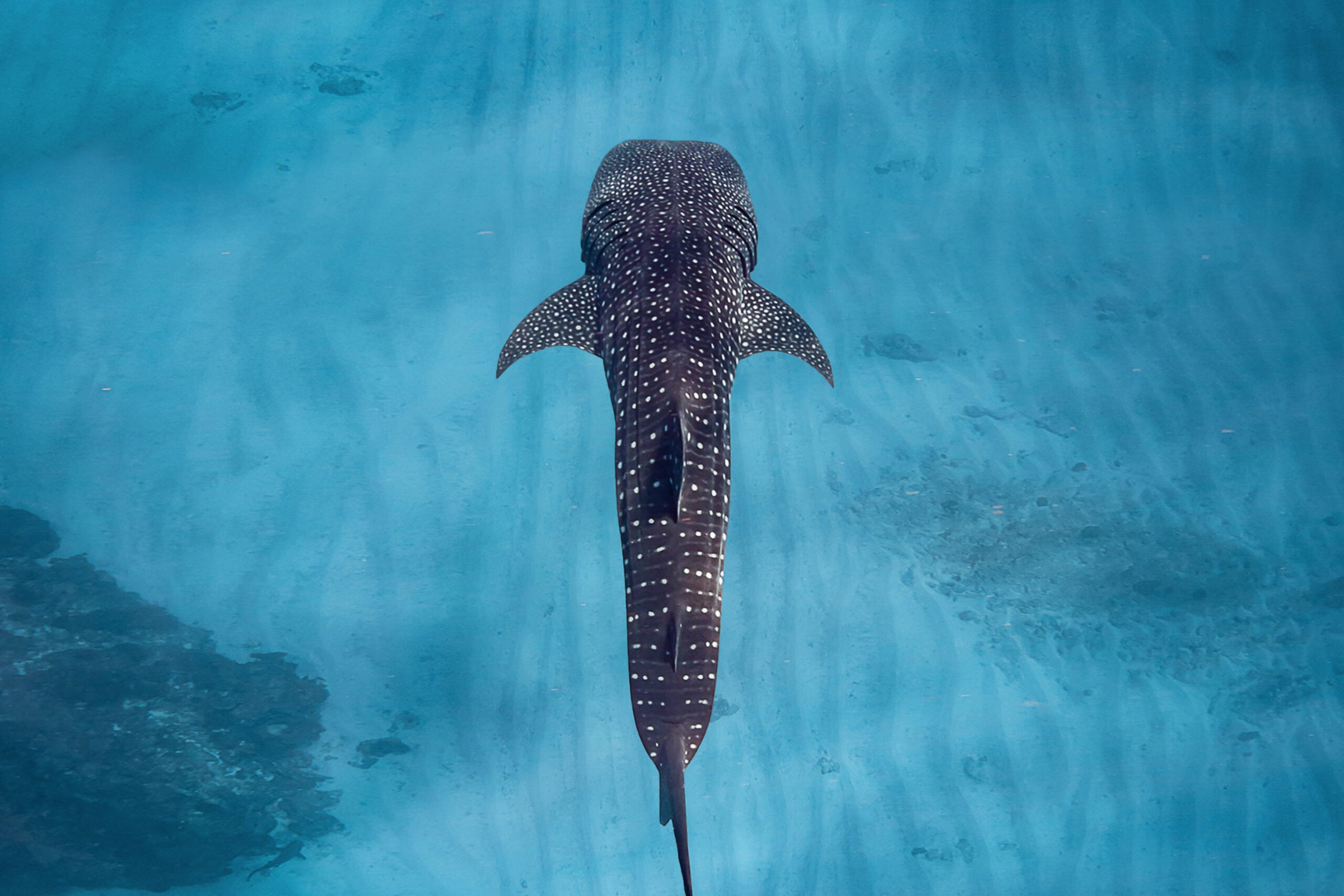 Mid-March through July, with sightings often continuing into October. That’s when whale sharks, the largest fish in the world, gather off Ningaloo Reef on Western Australia’s Coral Coast, one of the only places on Earth where they return reliably every year.
To find them, a spotter plane scans the water from above and radios each sighting to the boat. Once a shark is spotted, you swim alongside the whale shark in a group of no more than 10, close enough to make out the white spots across its back. Starting in June, humpback whales migrate along the coast as well.
On this coast, a property we often recommend is Sal Salis, a small safari-style camp in the dunes of Cape Range National Park. Ningaloo is one of the largest fringing reefs on Earth, growing so close to the coast that between swims with the whale sharks, you can wade in straight from the beach and snorkel over the coral. To see how we plan this journey, explore Swim With Giants on Australia’s Wild West Coast.
5. Where Can You See Australia’s Wildlife Up Close on a Luxury Trip?
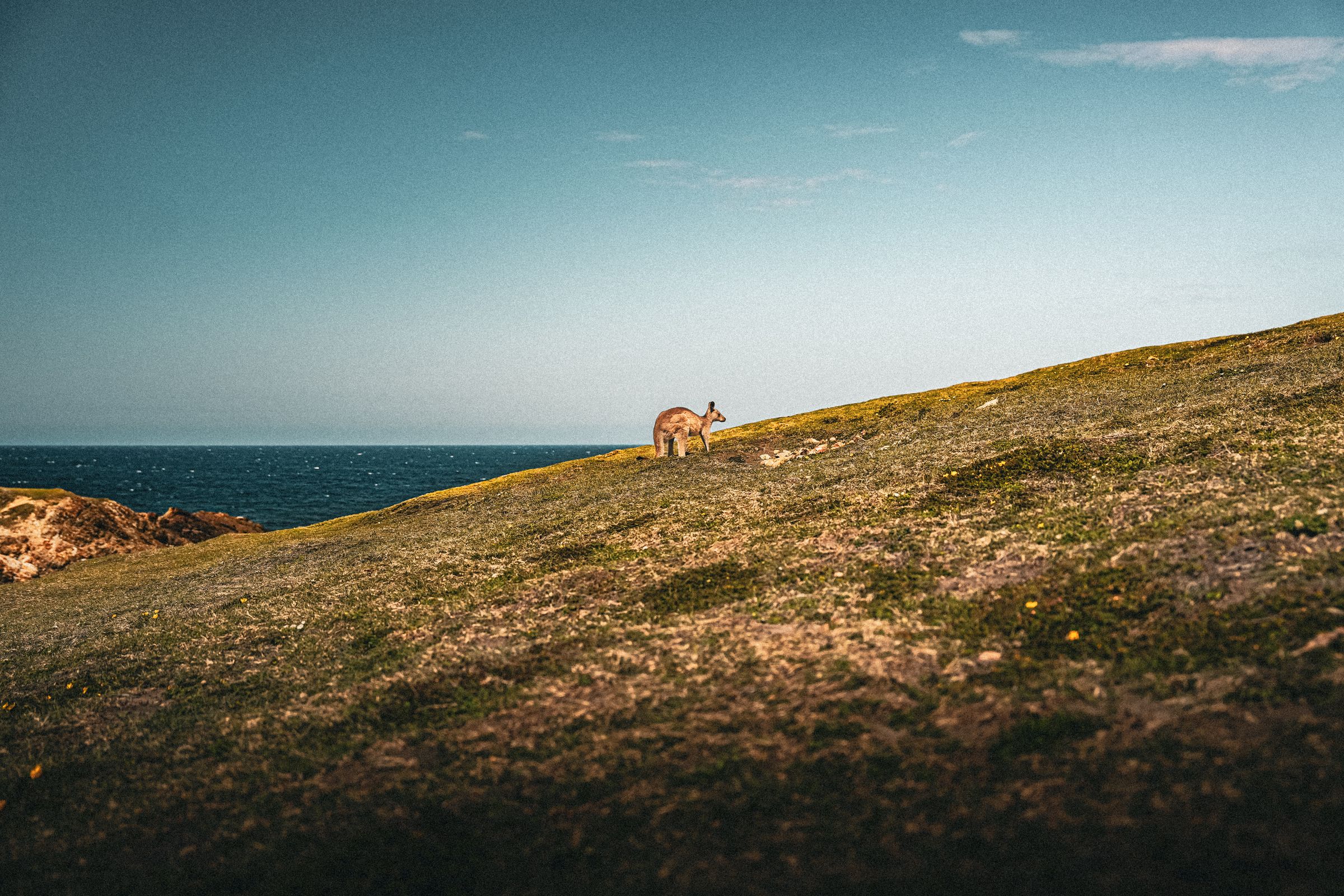 For wildlife, few places in Australia compare to Kangaroo Island, a 30-minute flight from Adelaide. Rising seas cut Kangaroo Island off from the mainland about 10,000 years ago, and with more than a third of the island protected as national and conservation parks, its animals are so abundant that you’ll see them on almost every drive.
That isolation has given the island its own kangaroo, with longer, darker fur than its mainland relatives. At Seal Bay, a guide walks you onto the beach among a colony of around 800 Australian sea lions, an endangered species and one of the rarest sea lions in the world. Even the bees are unique. Kangaroo Island became the world’s first bee sanctuary in 1885 and is now home to the last pure population of Ligurian bees, brought over from Italy in the 1880s.
The closer you look, the more the island reveals. At night, its woodlands are home to the little pygmy possum, which weighs less than 10 grams, about the size of your thumb. The island is also the last refuge of a rare glossy black cockatoo, which has recovered from just 150 birds in the early 1990s and eats nothing but the seeds of the drooping sheoak tree. On the island’s southwest tip, fur seals lie beneath Admirals Arch, a sea cave that formed around 125,000 years ago. Its ceiling is still hung with stalactites, icicle-shaped rock formations built up over thousands of years by dripping water.
Among the properties we love on Kangaroo Island is Southern Ocean Lodge, set on limestone cliffs along the island’s southwest coast. After bushfires destroyed the original in 2020, the lodge was rebuilt and reopened in late 2023, with 23 extraordinary suites looking out over the Southern Ocean.
6. Is Tasmania a Good Food and Wine Destination?
 Tasmania makes only about 1% of Australia’s wine, yet its grapes are the most expensive in the country, fetching more than six times the national average per tonne. While most Australian wine comes from warm, sunny regions on the mainland, Tasmania is the coolest wine-growing state in the country, with long, mild autumns and chilly nights that let the fruit ripen slowly and hold on to its natural acidity, the same tension that defines great Burgundy and Champagne. These are ideal conditions for pinot noir, Burgundy’s signature grape, and for sparkling wine, which relies on crisp acidity. Today, more than 40% of each Tasmanian vintage goes into bubbles.
Leading the way is House of Arras, whose winemaker, Ed Carr, won Sparkling Winemaker of the Year at the 2023 International Wine Challenge, an award that almost always goes to Champagne. Even Moët & Chandon has long bought Tasmanian grapes for its Australian sparkling wines. The island’s pinot noir is just as sought after, especially from the Tamar Valley in the north and the Coal River Valley outside Hobart, home to the cult Tolpuddle Vineyard.
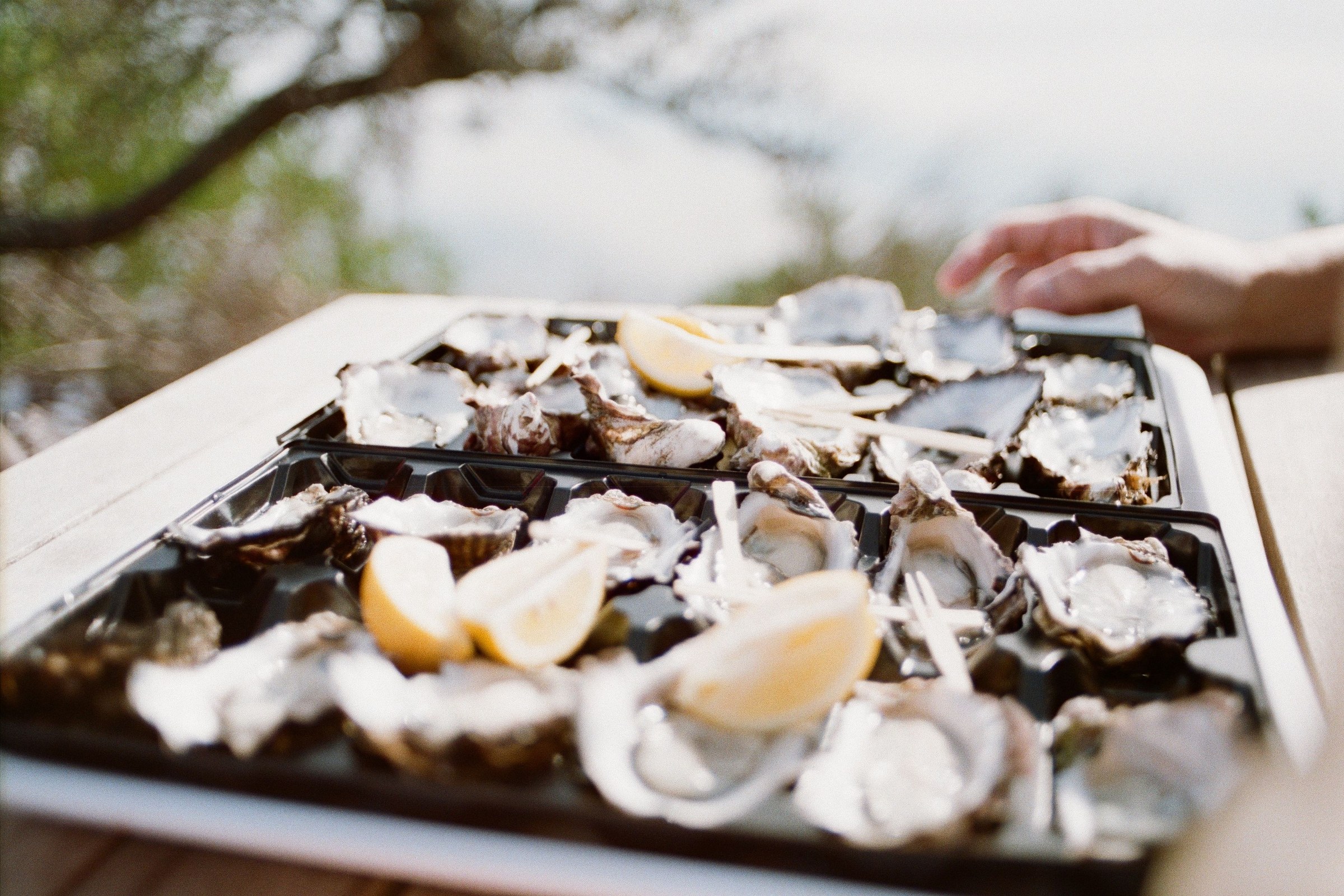
The produce is just as remarkable. Much of the island’s produce grows in air measured as the cleanest in the world. Australia’s first truffle was unearthed in Tasmania in 1999, on a farm in Deloraine, and black Périgord truffles are now dug there from June to September. On the east coast, at Freycinet Marine Farm, you can pull on waders, stand waist-deep in the bay and shuck Pacific oysters straight from the racks.
Hobart has become one of Australia’s most exciting places to eat. At Dier Makr, chef Kobi Ruzicka works from a tiny kitchen, building a seasonal tasting menu around humble vegetables, with dishes like sweet corn gelato served on a corn cookie. Aløft, perched above the water on Brooke Street Pier, serves Nordic-influenced plates such as wallaby tartare and lamb ribs braised in black vinegar, while Fico puts playful spins on European cooking, from oysters dressed carbonara-style to gelato made with milk from local buffalo. Forty minutes outside the city, The Agrarian Kitchen, Gourmet Traveller’s 2024 Restaurant of the Year, serves an eight-course lunch built around whatever was picked that morning from its one-acre garden, from warm blue corn tostadas topped with raw lamb to kumquat sorbet with elderflower. The menu arrives face down, so you can choose whether to know what’s coming.
Get in Touch
Australia holds more than any one trip can cover, and the best of it depends on details that are hard to find on your own: which months bring the whale sharks to Ningaloo, which nights dinner is served on the dunes facing Uluru, which reef sites are worth the flight out. Getting them wrong can mean flying halfway around the world and missing what you came for. That’s where we come in, knowing when each region is at its best, which properties and guides make the difference, and how to connect the reef, the Red Centre, Kangaroo Island and Tasmania so every day of your trip counts.
Whether you’re drawn to the outer reef, the stories of Uluru or Tasmania’s wineries, we’ll shape the route, the timing and the properties around the Australia you want to see. Our founder, Mark Lakin, is recognized as one of Oprah’s 10 “Trip Fixers We Trust” and a Robb Report “Master of Luxury Travel,” alongside an unbroken run on the Travel + Leisure A-List, where he has been named a “Top Travel Specialist” every year since 2015.
Contact us at [email protected] or visit www.thelegacyuntold.com/travel to start planning your trip to Australia.