

The world’s most extraordinary experiences have always rewarded those who look a little further. A candlelit dinner in a Saharan kasbah with no other guests for miles. The twin temples of Ramesses II floodlit against an ink-black desert sky, once the gates have closed to the public and the site is yours alone under the night sky. A dawn so silent and so vast on the Chilean altiplano that the only sound is geysers breaking the surface of the earth. The rust-red dunes of the Namib — the oldest desert on the planet — stretching to an Atlantic horizon that no road will ever reach.
Morocco and Egypt are two of the world’s most storied destinations, and yet most visitors only scratch the surface of what each country contains. Chile and Namibia, meanwhile, belong to a rarer category still — home to landscapes so extreme in their scale and silence that they tend to permanently recalibrate what travelers expect from the natural world. Below, we go beyond the obvious in all four: the hidden valleys, the after-hours monuments, the extraordinary lodges off the beaten path, and the moments that don’t appear on anyone else’s itinerary.
1. Morocco
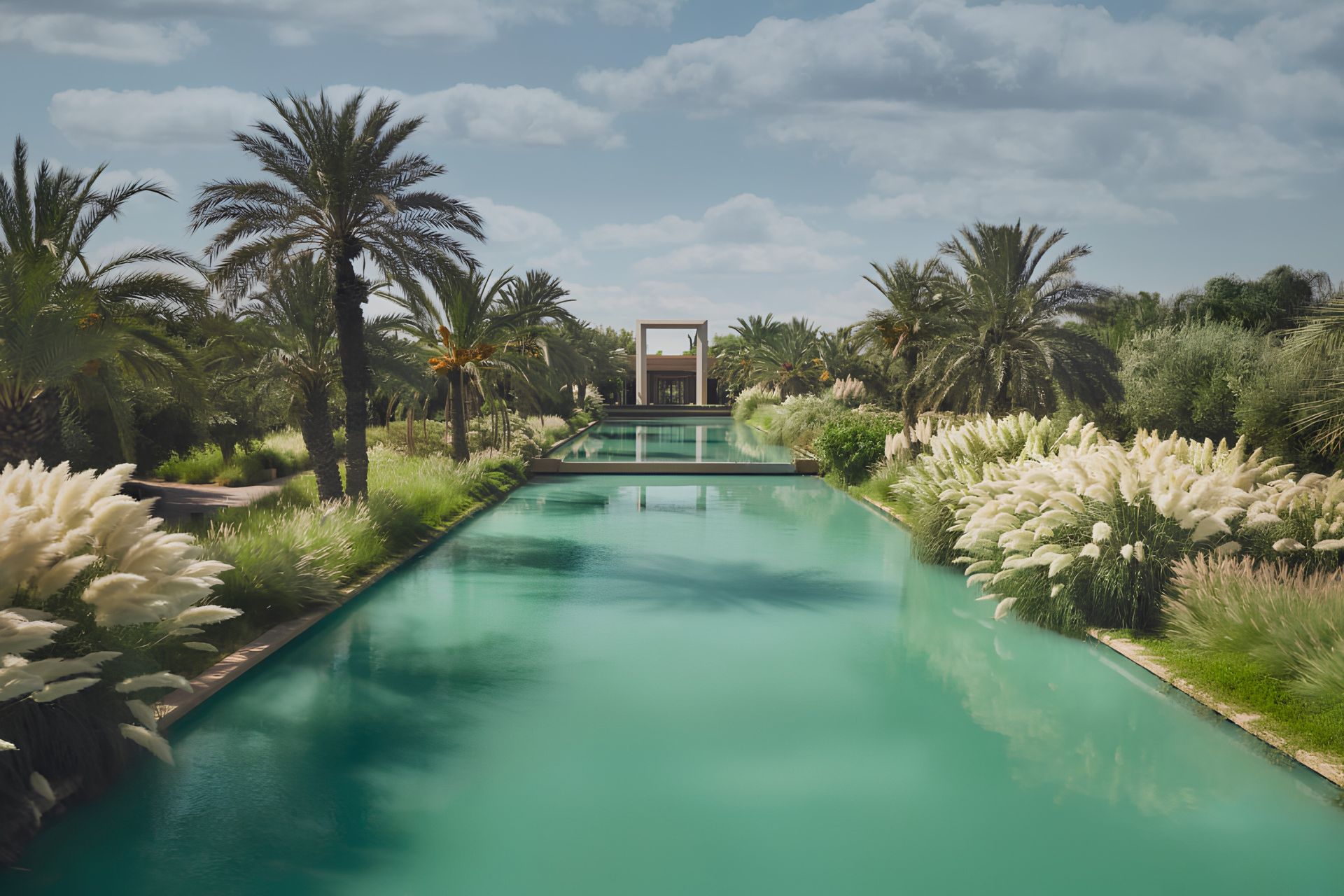 Morocco is seductive from the very first moment — and the further you venture from the well-worn tourist trail, the more extraordinary it becomes. The journey south from the foothills of the High Atlas is where Morocco begins to reveal its most extraordinary self. Wind down through the Drâa Valley — one of the country’s most breathtaking and least-visited corridors — where date-palm oases and crumbling mud-brick kasbahs stretch for miles without another tourist in sight. Villages perched above ancient riverbeds seem suspended entirely in time, and the landscape shifts from green valley floors to open hammada to the first suggestions of true Saharan sand. For those who want to experience this southern Morocco in the most immersive way possible, we offer an extraordinary private journey: the Route du Sud. A nomadic expedition by 4×4, this experience traverses Morocco’s diverse desert landscapes over five days, staying at three distinct luxury villas along the way. It is a private journey on the “Memory Road” — ideal for travelers who want a little adventure paired with the highest level of comfort. Think decadent meals and wines shared with loved ones beside crackling fires under star-filled skies, and the mystery of not knowing where you’ll go next.
Our Pick for a Hidden Gem: Dar Ahlam, the House of Dreams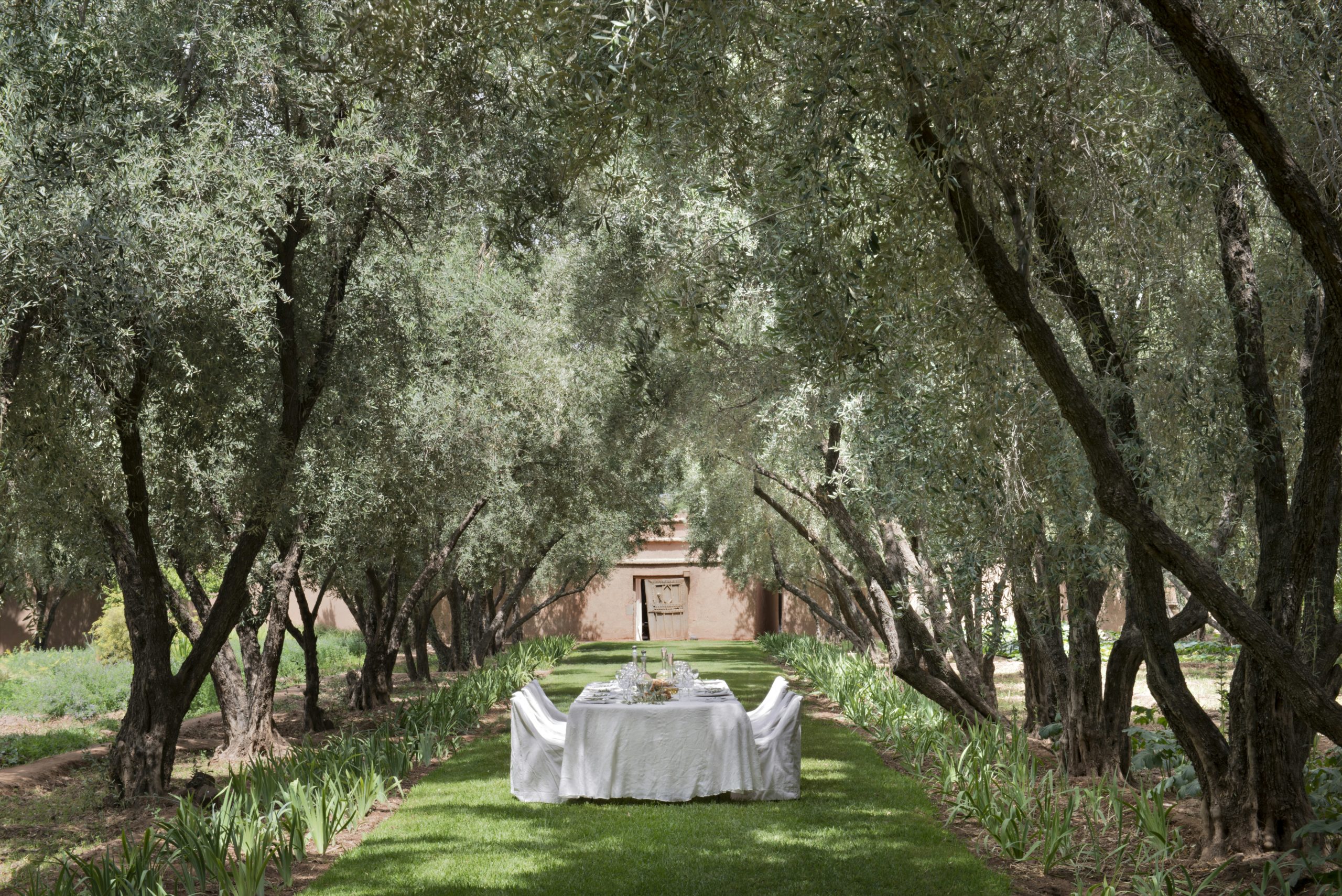 Deep in the Moroccan Sahara near Skoura, Dar Ahlam, often described as more of a living artwork than a property, is one of the most distinctive desert retreats in the world.
Set within a restored 19th-century kasbah against a backdrop of rose-gold dunes and ancient palm groves, Dar Ahlam operates by its own logic entirely. There are no menus, no schedules, and no two stays alike. Guests wake to find a breakfast table laid in a rose garden, lunch served in the ruins of a neighboring kasbah, dinner beneath the open desert sky — each meal a theatrical surprise arranged by the house. Hammams, rooftop terraces, and the soft percussion of wind through date palms fill the hours between.
With only a handful of rooms, the property delivers an intimacy and sense of occasion that few places anywhere in the world can match. The surrounding Drâa Valley and the Saharan dunes of Erg Chebbi and Erg Chigaga are easily reached for desert walks and stargazing that ranks among the finest on Earth.
For travelers already moving through Morocco — Marrakech, the Atlas Mountains, the imperial cities — Dar Ahlam provides a sublime final chapter.
2. Egypt
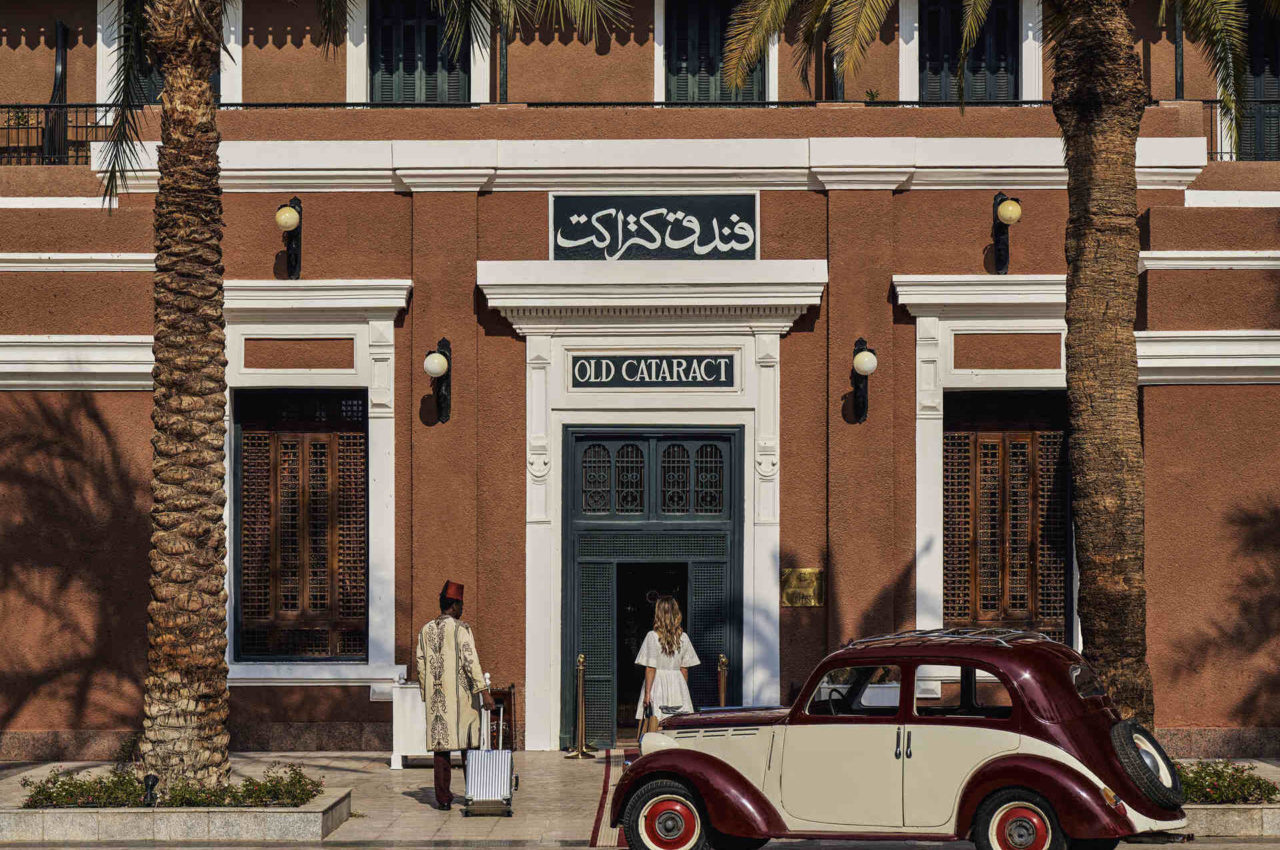 Sand-swept and ancient, Egypt is a country that has been drawing travelers for longer than almost any other — and yet it consistently delivers more than anyone expects. The scale of what the pharaohs built is one thing; the landscape they built it in is another entirely. The Nile cuts through one of the most arid environments on Earth, and the desert that presses in on either side — the Eastern reaching towards the Red Sea, the Western stretching into Libya across two-thirds of the country’s total land mass — contains remote oases, ancient caravan routes, and an interior that most visitors never reach. Follow the river south past Luxor and Aswan and Egypt becomes progressively quieter, more austere, and more affecting. The further you go, the more extraordinary it gets.
Our Pick for a Hidden Gem: Abu Simbel, the Temple at the Edge of the World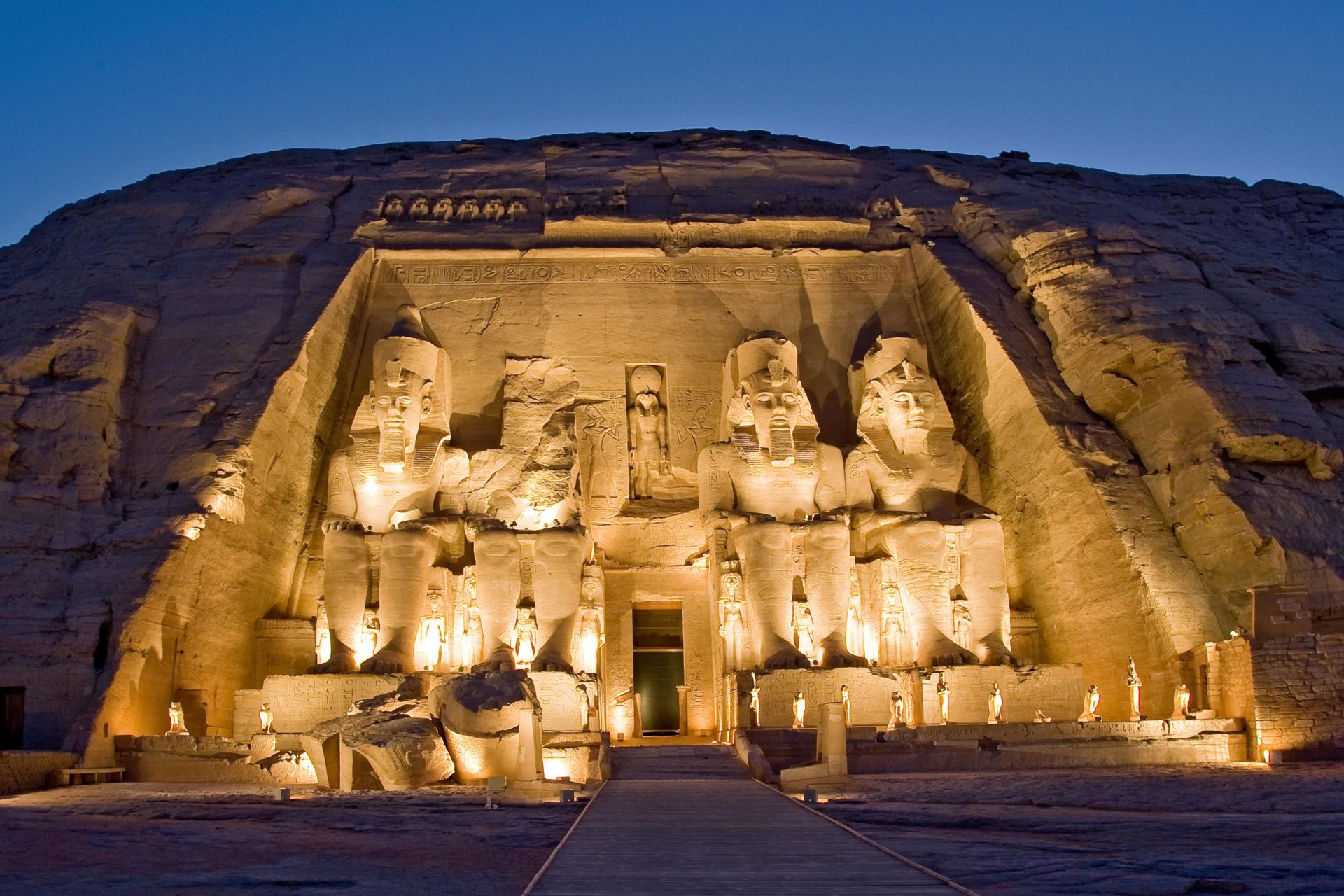 For the traveler drawn to history as much as landscape, no detour in Egypt rivals the journey south from Aswan to Abu Simbel. The twin temples of Ramesses II were carved directly into a sandstone cliff beside Lake Nasser over three thousand years ago, and were later relocated in one of the most remarkable feats of modern engineering ever attempted. They sit at the very edge of Egypt‘s southern desert, close to the Sudanese border, and feel genuinely remote in a way that even the Pyramids no longer do.
Most visitors treat Abu Simbel as a day trip, flying in at dawn and out by mid-morning alongside the tour groups. But the small number of travelers who stay overnight discover something altogether different. Once the crowds depart and the light begins to fail, the temples are lit dramatically against the desert dark. The silence that descends is extraordinary — no commentary, no distraction, just you and one of the most powerful monuments ever built by human hands.
Abu Simbel is not a destination for long, lazy days in the way that other stops on this journey are. But as a stopping point within a broader Nile itinerary, or for those with a genuine fascination with antiquity, it is deeply affecting and nearly impossible to forget. It is exactly the kind of place that separates a good trip to Egypt from an unforgettable one.
3. Chile
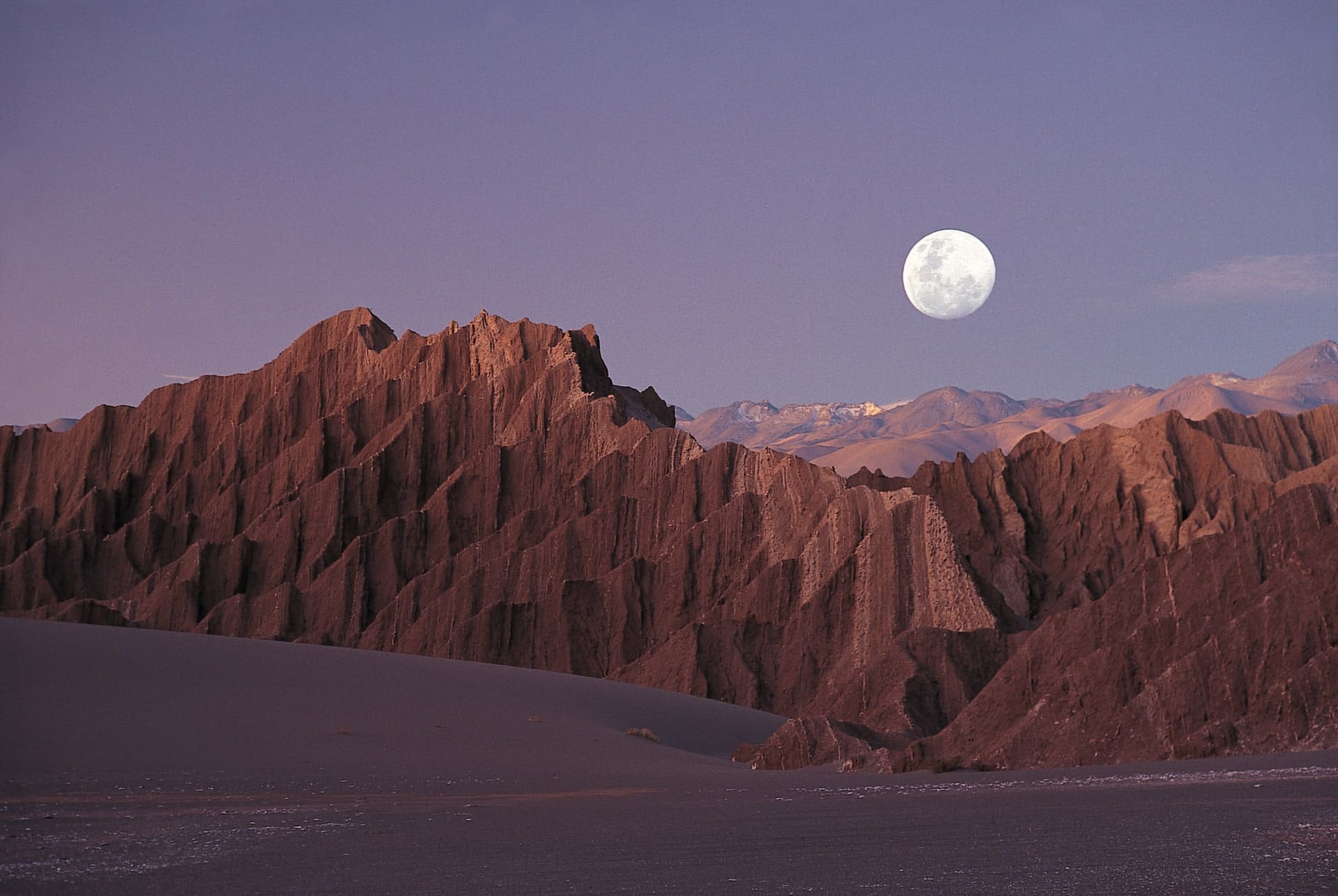 Chile is one of the longest and most geographically improbable countries on Earth — a sliver of land running 2,500 miles from the tropics to the Antarctic, bordered by the Andes to the east and the Pacific to the west. Its desert north is among the most extreme environments on the planet: a high-altitude world of volcanic peaks, salt flats, and ancient riverbeds that feels genuinely removed from everything familiar. For travelers drawn to landscapes of real scale and silence, there is nowhere quite like it.
Our Pick for a Hidden Gem: The Atacama Desert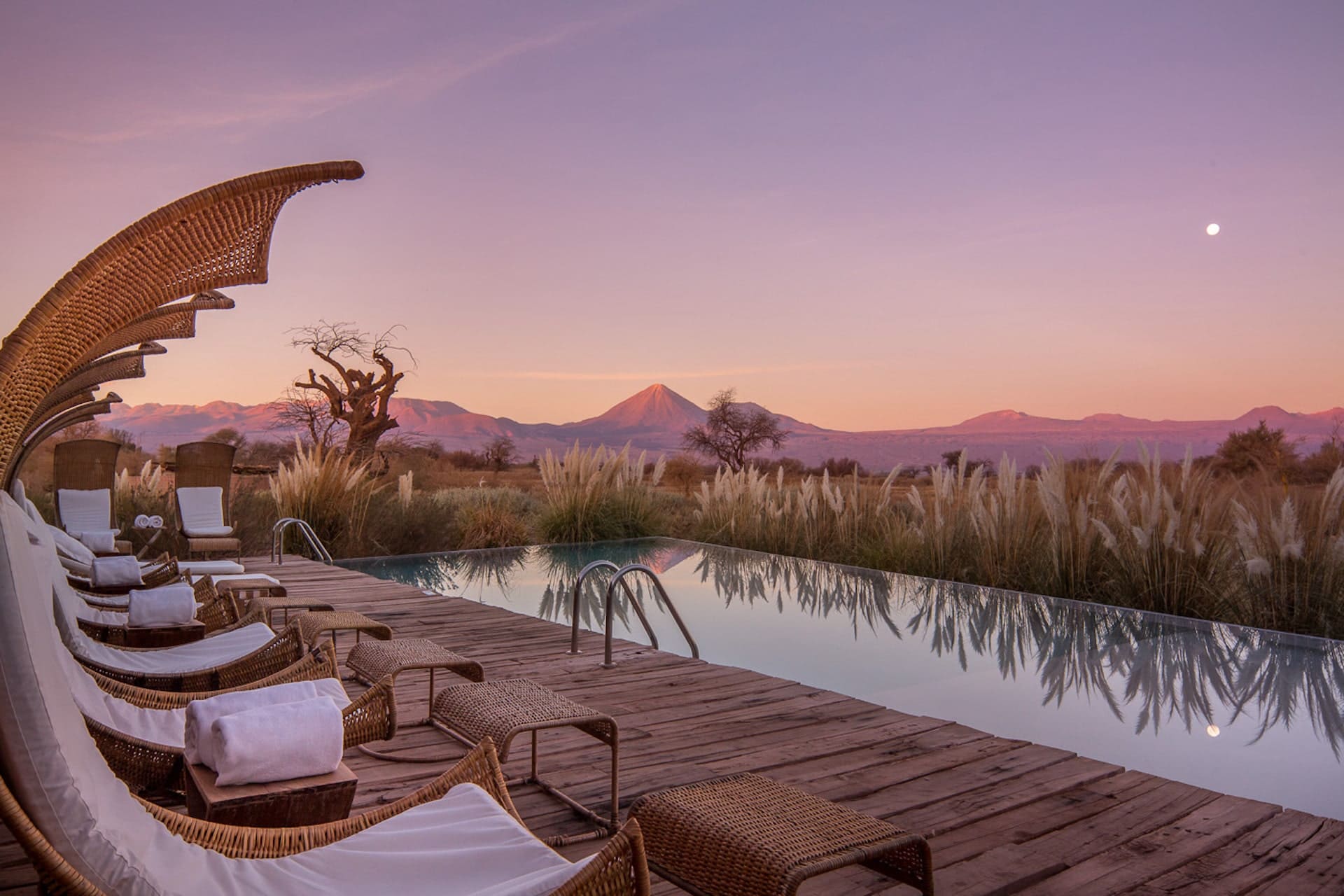 The Atacama is the driest place on Earth — at an average elevation of 7,800 feet, with air so free of humidity and light pollution that the European Southern Observatory has built some of its most powerful telescopes here. In some areas, measurable rainfall has never been recorded. During the day, the landscape shifts between salt flats, volcanoes, geothermal fields, and high-altitude lagoons where three species of flamingo feed at over 13,000 feet above sea level. The Valle de la Luna catches the late afternoon light in a way that makes it look, briefly, like another planet. The geyser field at El Tatio, the largest in the Southern Hemisphere, is best visited at dawn before the steam columns die down with the rising sun.
Base yourself in San Pedro de Atacama, where a handful of genuinely excellent small lodges offer private night sky sessions with in-house astronomers. It is a destination that rewards staying longer than you think you need to.
4. Namibia
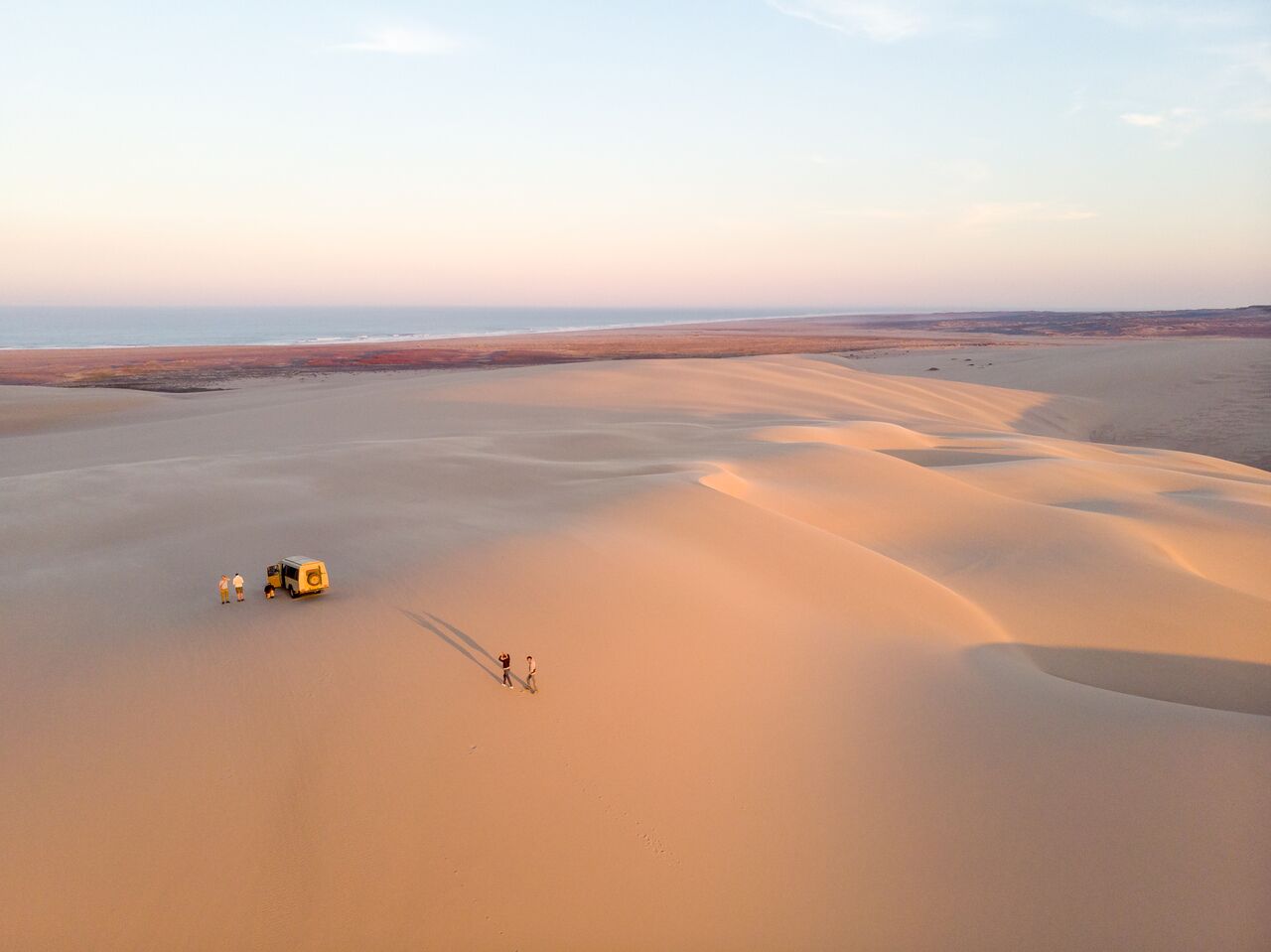 Namibia is the second least densely populated country on Earth, after Mongolia. It covers 318,534 square miles and has a population of around three million people — which means that outside its small cities, the sense of space is unlike almost anywhere else in the world.
The dunes at Sossusvlei, in the southern Namib, are among the tallest in the world — Dune 7 reaches roughly 1,260 feet — and are made extraordinary by the contrast between their deep red iron-oxide color and the white clay pan of Deadvlei below, where 900-year-old camel thorn trees stand dead and perfectly preserved in the hyper-arid air. Etosha National Park to the north operates differently from most African game reserves: a vast, flat salt pan at its center draws huge concentrations of wildlife to a small number of waterholes, making for some of the most concentrated and predictable game viewing on the continent. Black and white rhino, lion, leopard, cheetah, and elephant are all regularly sighted.
Our pick for a hidden gem: The Skeleton Coast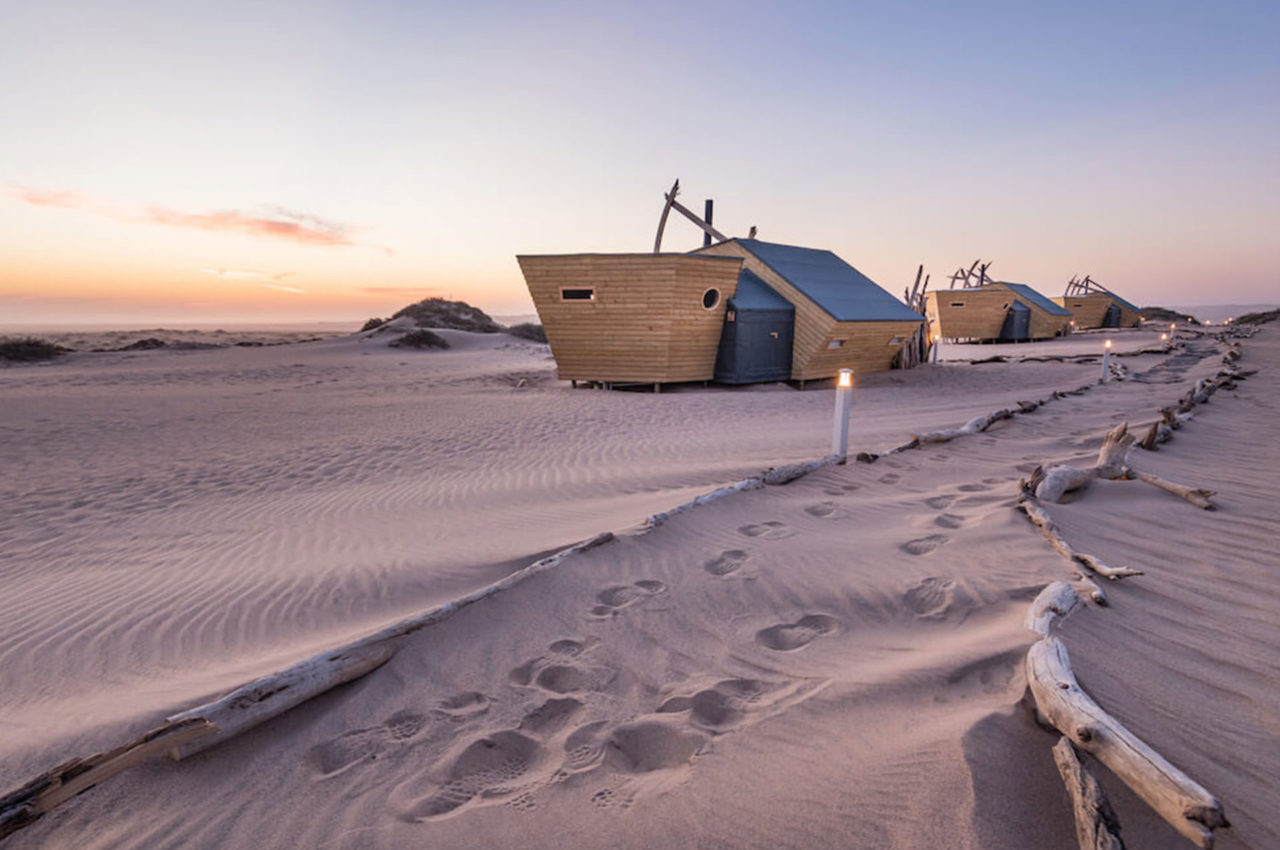 The Skeleton Coast is one of the most forbidding stretches of coastline on Earth. For centuries, sailors called it the Land God Made in Anger — a 300-mile corridor where the icy Benguela Current meets the Namib Desert, generating permanent fog, ferocious surf, and the skeletal remains of hundreds of shipwrecks half-buried in the sand. There are no roads in. Access is by light aircraft only, on a permit system that strictly limits the number of visitors at any one time. The wildlife — desert-adapted lion, brown hyena, enormous Cape fur seal colonies — exists here in conditions that seem to defy what animals should be able to survive.
Shipwreck Lodge sits within this restricted zone, its twelve cabins designed to echo the shipwrecks visible from the shore. It is about as far from the ordinary as lodges get. For those building a broader Namibia itinerary, we also love AndBeyond Sossusvlei, Little Kulala, and Serra Cafema Camp — each offering its own version of the extraordinary solitude this country does better than almost anywhere else.
The world’s most remarkable destinations are rarely the ones everyone else has already been to. Reach out to us at [email protected] or visit www.thelegacyuntold.com to start planning your journey.