

If you operate a luxury hotel, lodge, or resort outside of Japan, here are three lessons you can apply tomorrow—tactics that elevate guest spend, lengthen stays, and turn casual browsers into loyal evangelists.
Japan isn’t merely “hot.” It’s instructive. Its success isn’t an accident of trend cycles; it’s the outcome of discipline, narrative, and attention to detail. Our Founder & CEO, Mark Lakin—named Travel + Leisure’s Top Travel Specialist for Japan for the 12th consecutive year—spends much of his time scouting the most extraordinary destinations and hospitality products around the globe. Below are his insights on what the world’s most intentional hospitality culture teaches us about wonder, detail, and why guests stay longer — and spend more…
1. Curate Contact With Makers—Not Just Their Work
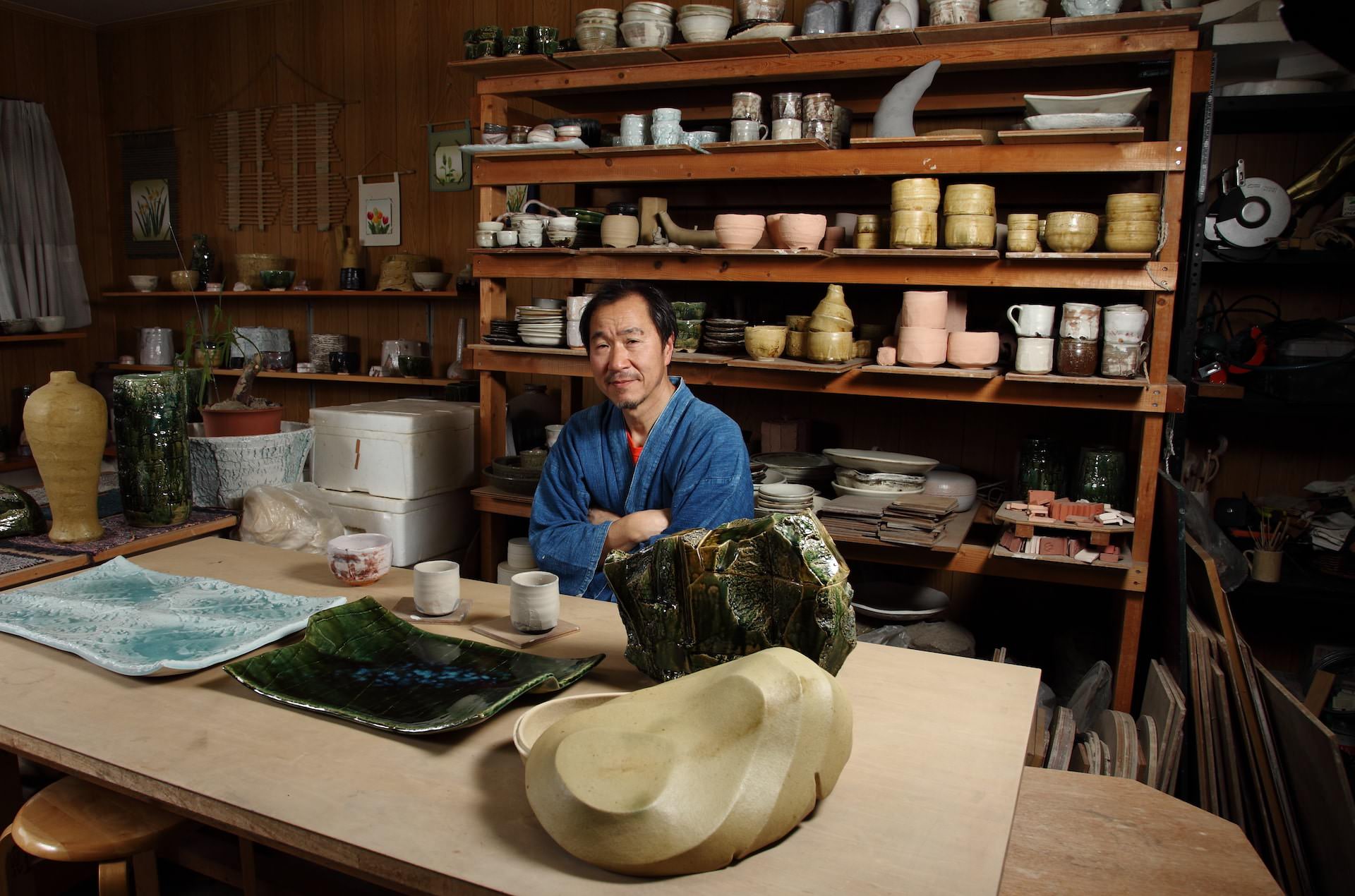 In Japan, travelers don’t simply admire a lacquer bowl behind glass — they meet the master who made it. A knife isn’t a souvenir; it’s the result of a lifetime’s apprenticeship, and the blacksmith is right there to tell you so. That proximity is the point. When a guest witnesses mastery firsthand — when they sit across from someone who has devoted forty years to a single craft — the object they leave with becomes something else entirely. Not a purchase. A memory with a price tag attached.
Properties anywhere can create this. Invite a local maker to spend time on site — a weaver, a ceramicist, a distiller, a cheesemaker — and let guests observe, participate, and take something home. Keep the groups intimate. Give the experience room to breathe.
The key is choosing artisans who can tell their own story as fluently as they practice their craft. The narrative arc is simple: where this tradition comes from, what the process looks and feels like, and what makes this particular piece singular. That story — told in the maker’s own voice — is your experience, from first impression to lasting memory.
2. Make Food a Game, a Lens, and a Love Letter
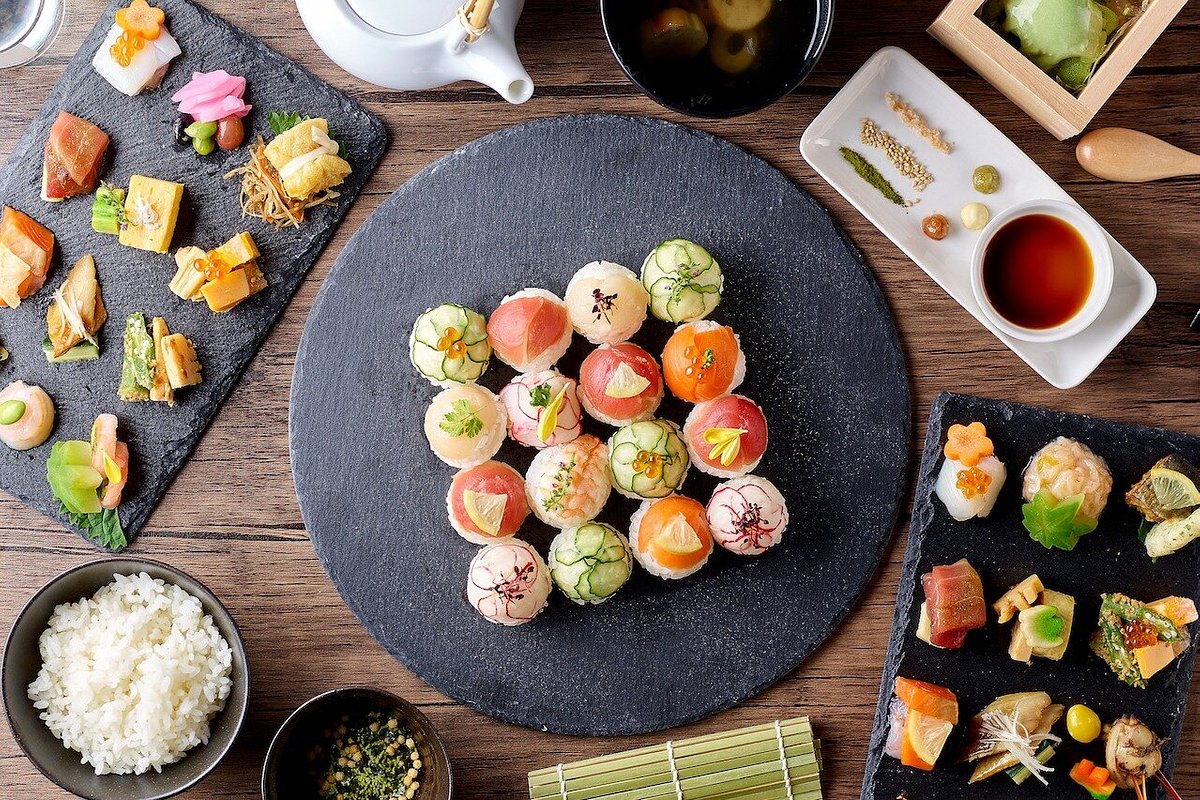 In Japan, gastronomy is geography. A single breakfast can map an entire region — miso variations, rice from different fields, pickles that speak to microclimate. It’s education disguised as pleasure. The meal tells you where you are before a single word is spoken.
That instinct translates directly into revenue. Consider a rotating “Breakfast Atlas” — a flight of regional tastes served on a labeled board, three condiments, two grains, and one broth or tea… Or a weekly “Chef × Producer Showcase”: a ten-seat counter where a cheesemaker, cacao grower, fisherman, or forager co-hosts the menu, ticketed with a wine or tea pairing.
Or even an “Ingredient Library” — a handsome cart of salts, peppers, oils, vinegars, and pickles that guests can use to customize the flavor of their meal. Properties can also offer a “Heritage Snack Hour”, which reimagines local classics as elegant small bites, each accompanied by a brief origin story. And for a focal experience, elaborate a menu made from “One Ingredient, done Five Ways”: choose an archetypal product — olive, cacao, maize, apple — and serve it raw, cured, fermented, roasted, and distilled.
Standardize storytelling cards for each dish — provenance, maker, distance from the property, season. Over time, these build into collection menus where guests can experience different dishes across multiple nights, creating a natural incentive to extend their stay.
3. Obsess Over Presentation
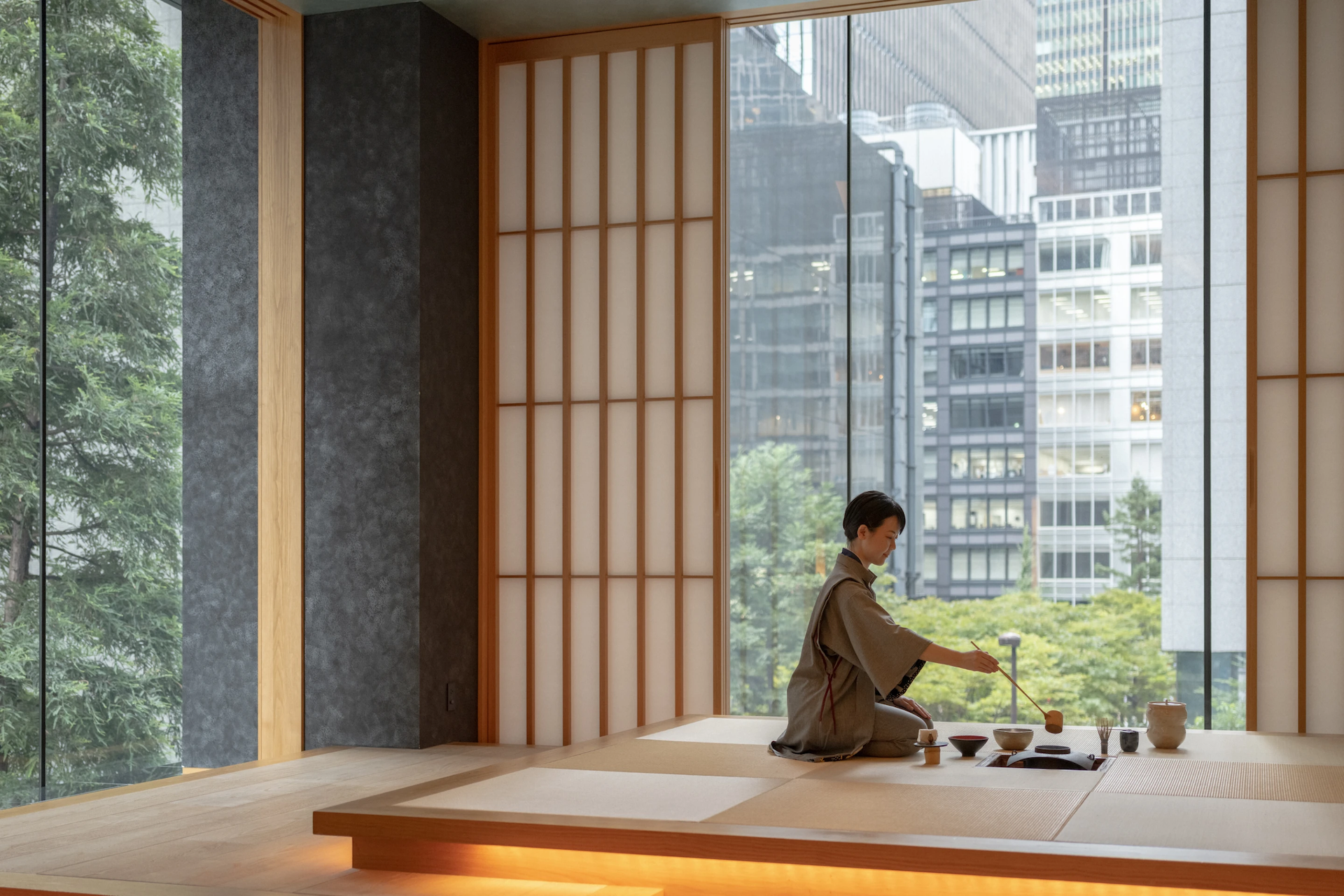 In Japan, ceremony accompanies everything — from a small piece of candy to a ten-thousand-dollar art object. Tissue crinkles softly. Cords align. Labels square to the edge. Uniforms sit like sculpture. Presentation is not decoration; it is a signal of trust, and guests read it before they read anything else.
Several small rituals translate directly into how a hotel shapes the guest experience across the property. Room amenities, spa products, shopping items, and small gifts should all follow the same logic of care and consistency: neatly wrapped or folded using materials and colors that reflect the property’s palette — a quiet nod to heritage without veering into kitsch.
That standard continues across every touchpoint. Items delivered to rooms should arrive on a well-weighted tray with a linen square, a single sprig or wax stamp, and a handwritten initial. Staff uniforms deserve the same attention: a contrasting stitch, a well-cut collar, a perfect hem. The effect on staff confidence is immediate, and reviews follow. Artisans’ works should be displayed with breathing room, nameplates, and process notes, resting on materials that echo their origin — stone beneath ceramics, untreated wood beneath textiles. And at turndown, consider an impeccably wrapped note card inviting guests to tomorrow’s maker session or culinary moment — QR-linked to book directly.
Why This Works Everywhere – Not Just Japan
Luxury is choreography—every movement intentional, every detail composed to stir emotion. When you give guests access to mastery, let them engage with your landscape, and design each interaction with visual precision, you sell meaning. And meaning is what people remember, share, and return for.
At The Legacy Untold, we’ve watched ADR climb, retail margins improve, and length of stay increase when teams adopt these simple, exacting habits.
If you’d like help architecting a Maker-in-Residence program, designing your food “atlas,” or codifying presentation SOPs that scale, we’re here to build it with you—beautifully, precisely, profitably. Reach out at www.thelegacyuntold.com or at [email protected] to collaborate.